
Why Vanguard Is Doubling Down on Active Fixed-Income Strategies
CEO Salim Ramji on how active bond management at the right price can serve investors well.

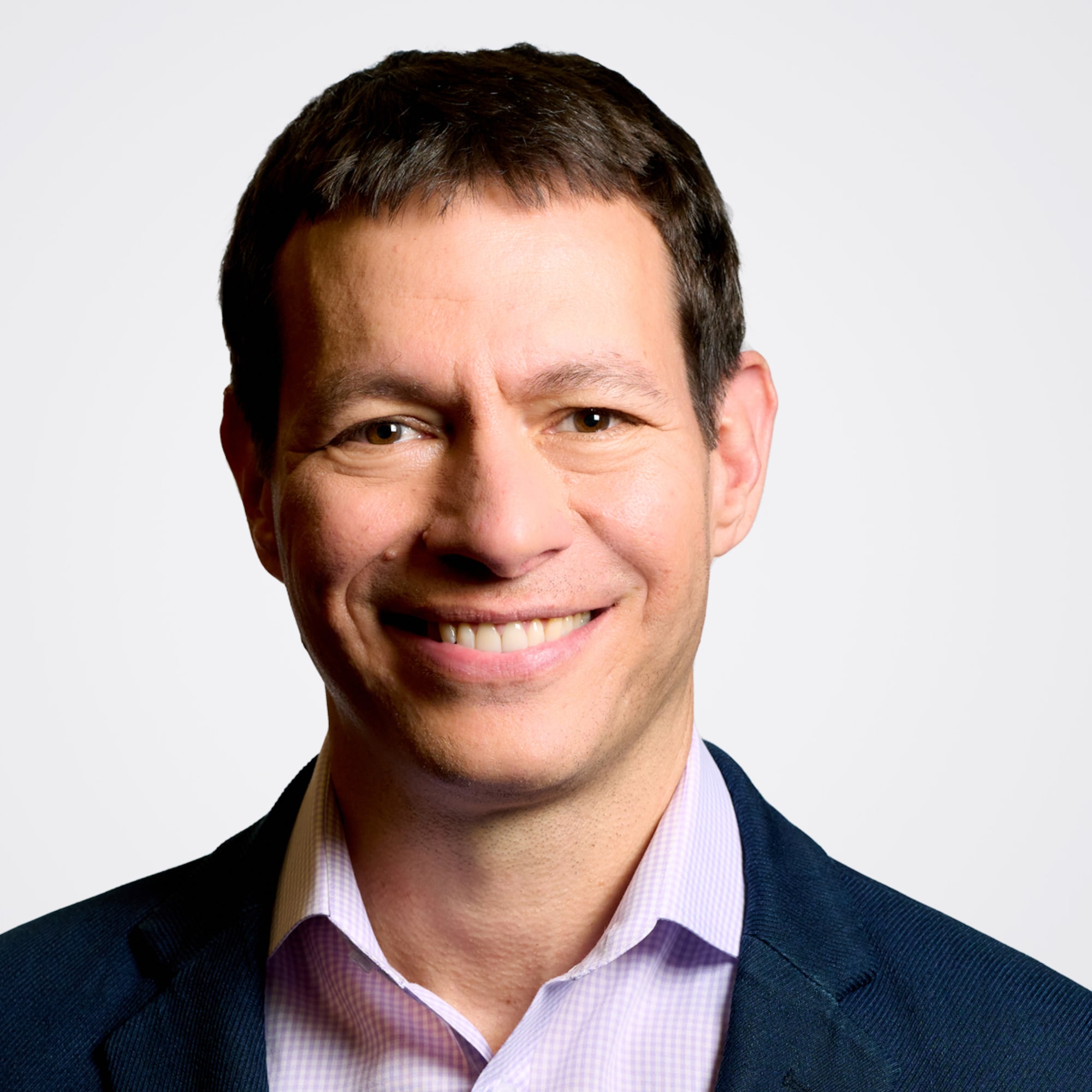
Christine Benz: Hi. I’m Christine Benz with Morningstar. My colleague Dan Lefkovitz and I interviewed Vanguard CEO Salim Ramji at the Morningstar Investment Conference in late June for an episode of our podcast, The Long View. Here’s an excerpt from that conversation.
Why Vanguard Is Doubling Down on Active Fixed-Income Strategies
Benz: Vanguard has put a big emphasis on active fixed-income management in the past couple of years. Can you give us some background on what’s driving that interest? And also how do you think about how advisors and their clients should decide whether to go passive with their fixed-income exposure or go active? Are there categories where you think active is better for the situation?
Salim Ramji: It’s a great question. And one of the things honestly that surprised me a year ago, and I sat down with Sara Devereux, our fixed-income CIO, and I’ve gone through the performance numbers, the investment process, and the like. And we’re really good at it. We’ve actually been doing it for 40 years. Bogle started our fixed-income area. 98% of our active fixed-income today is in the lowest price decile. 91% of our active fixed income outperforms its peers over the past decade. Those are two extraordinary numbers, but they’re highly related.
And I think the opportunity is first and foremost to help clients build the right fixed-income exposure in their portfolio. Some of that is indexed, and some of that is active. But I think as those numbers speak to, they really are empirical proof of the cost matters hypothesis that you don’t have to trade off quality for price. In fact, as Bogle said, in investing, you get what you don’t pay for. And I think the thing that’s really exciting for us is the ability to deliver active fixed income at a quarter of the fee that what the industry charges. We also are really proud of our index fixed-income capabilities, which are even cheaper than our active fixed-income capabilities.
But there are segments of the fixed-income market where active management at the right fee can work well. Munis are a really great example of where empirically in our own portfolios that’s been proven to be true. But it also goes to our approach to risk management, which is that if you’ve got a low fee hurdle to overcome, you can be much more disciplined about security selection. You can be much more disciplined about the alpha-generating investments that you make. And you’re not having to take big swings on where you think rates are going to be or big swings on certain credits or certain exposures. You’re able to be disciplined and methodical because you know you don’t have to overcome a huge fee barrier to be able to deliver outperformance. And I think that’s what we’ve been doing certainly for the past 10 years. I haven’t looked at the 40-year record, but I’m sure it also speaks to it.
But what it really gets to, Christine, is I think the whole discussion of active and index is often a misnomer. It’s a discussion around price. And if we can provide high-quality active management at a low fee and high-quality index management at a low fee, what we’re doing for financial advisors or individual investors is providing them the choice that they can use to be able to build a portfolio without having to suffer some of the fees that they’ve had to endure, particularly in active fixed income.
The author or authors do not own shares in any securities mentioned in this article. Find out about Morningstar’s editorial policies.

 United States