
Elliott Appel: Caring for My Father Put My Life on Pause for 7 Years. Here’s What I Learned
The financial planner’s family dealt with his dad’s cancer diagnosis, substance abuse, and cognitive impairment. Even if your situation is less fraught, he suggests getting help.
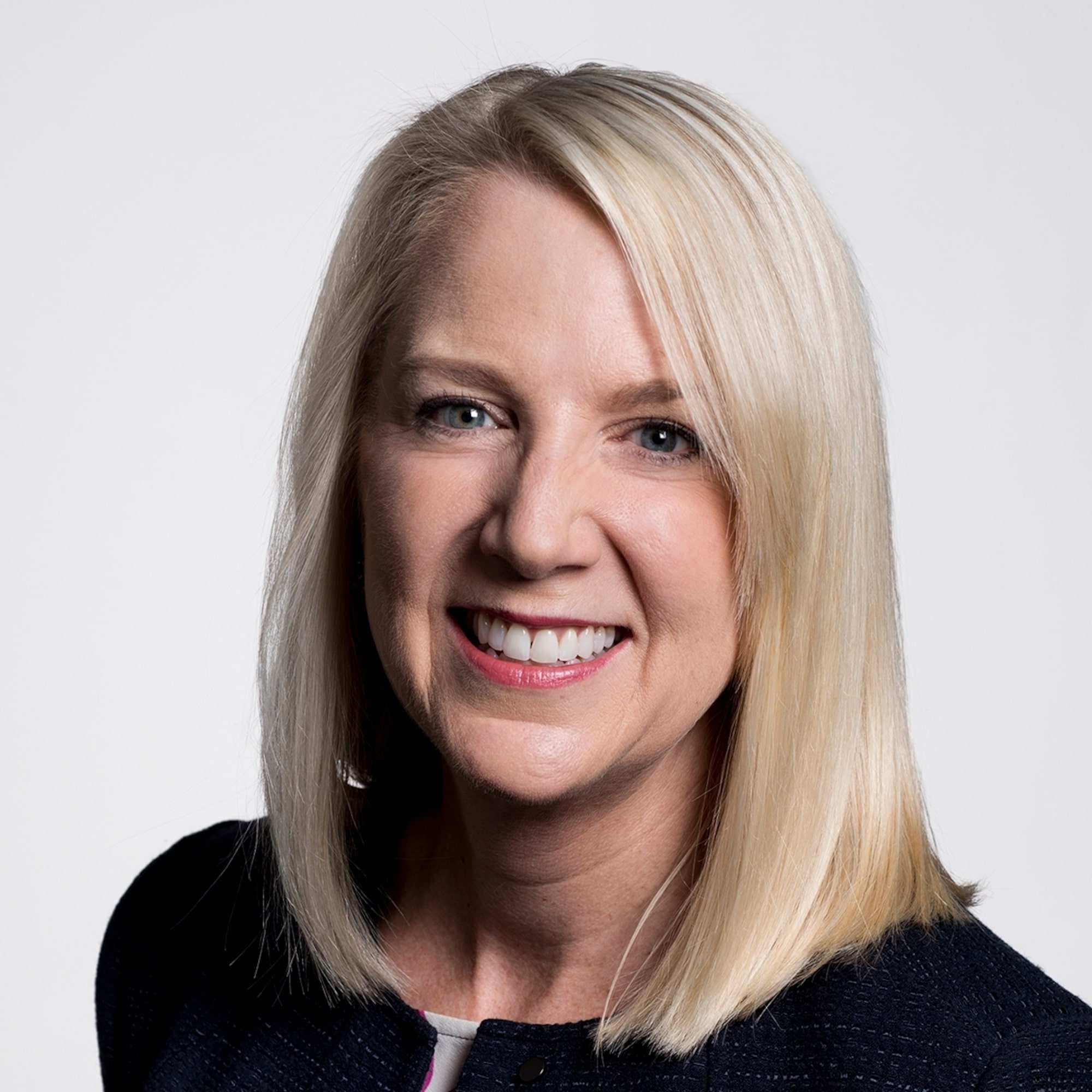
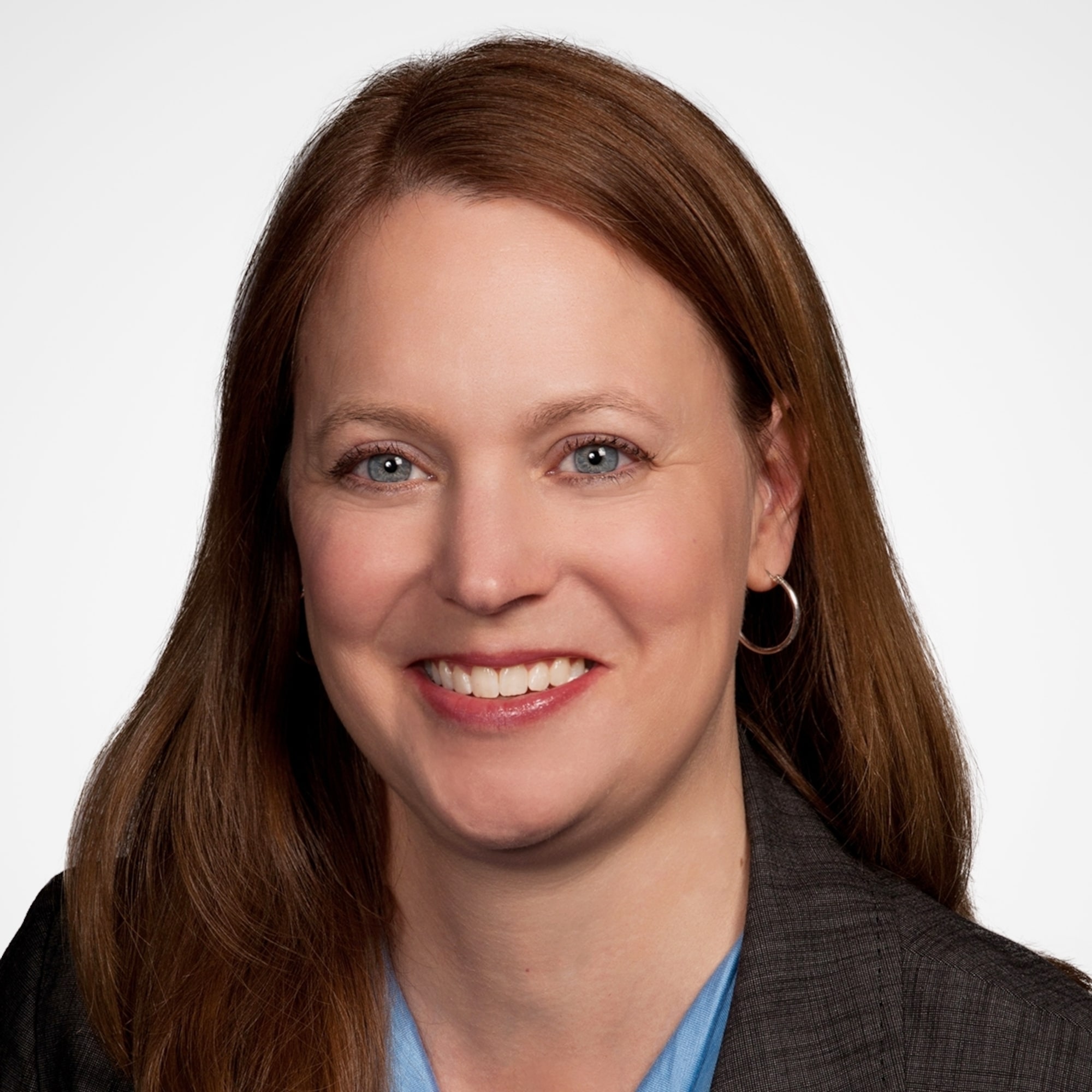

Subscribe to Morningstar’s The Long View from your mobile device: Apple Podcasts | Spotify
Our guest on the podcast today is Elliott Appel. He’s a financial planner and the founder of Kindness Financial Planning. He’s also an author. His latest book is called How to Help Your Parents As They Age: A Financial Planner’s Guide to Caregiving, which chronicles his father’s last years and the key lessons he learned along the way. He’s also co-host of his own podcast called the ME and Money Podcast. We really loved this conversation because Elliott provided so many tangible tips that people can use to help their parents, and his personal story really provides a lot of color.
Episode Highlights
- Financial Planning Through Life Transitions
- Appel’s Journey Planning for His Father
- How an Eldercare Consultant Can Help
- Estate Planning and Choosing the Right Power of Attorney
- Guardrails for Aging Parents’ Finances
- Put Parents on Your Cellphone Plan
- Navigating Healthcare, Housing, and Care Transitions
- Managing Caregiver Stress and Burnout
- Rethinking Aging and Death in the US
If you have a comment or a guest idea, please email us at TheLongView@Morningstar.com.
Transcript
Christine Benz: Hi, and welcome to The Long View. I’m Christine Benz, Director of Personal Finance and Retirement Planning for Morningstar.
Amy Arnott: And I’m Amy Arnott, portfolio strategist for Morningstar. Our guest on the podcast today is Elliott Appel. He’s a financial planner and the founder of Kindness Financial Planning. He’s also an author. His latest book is called How to Help Your Parents As They Age: A Financial Planner’s Guide to Caregiving, which is a chronicle of his father’s last years and the key lessons he learned along the way. He’s also co-host of his own podcast called the ME and Money Podcast.
Benz: I really loved this conversation because Elliott provided so many tangible tips that people can use to help their parents, and his personal story really provides a lot of color.
Arnott: Yeah. So, one of the concrete tips that I really liked was putting your parents on your own cellphone plan and why that can be really helpful if there’s a lost phone or other issues that come up. My husband and I both have aging parents, so I’ve added that to my to-do list for the future.
Benz: Let’s get into the conversation. Elliott, welcome to The Long View.
Elliott Appel: Thanks, Christine. I appreciate you having me.
Financial Planning Through Life Transitions
Benz: Well, we’re really glad to have you here and excited to talk about your book, which is wonderful. We want to talk about the book and the backstory, but before that, can you talk about your work as a financial planner and what initially attracted you to that profession?
Appel: I loved financial planning because it married the technical expertise of living in spreadsheets, and planning, and tax planning and estate planning with the real world and working with people. Sometimes you would find the most common thing in a spreadsheet, and maybe the most likely outcome isn’t what someone wanted to do. I really loved when you got into it with people, and you could have the pros and cons of how this is actually going to work in the real world for people with emotions.
Arnott: Your firm, which is called Kindness Financial Planning, focuses on widows, caregivers, and people affected by major health events. What made you want to hone in on that as your specialty?
Appel: Yeah, so I worked for 10 years at a larger wealth management firm, and when I launched my own firm, I thought about the client conversations that I enjoyed the most. And there were many types of different folks I enjoyed working with, but in particular, widows or people going through major transitions—you could directly see the impact in real time of what sort of conversations and planning topics you were talking about, and see it for the next generation, too. I like working at this stage of life because you can start setting things up for that next generation and see the impact of that. And people are thinking about what I would call maybe larger-than-life issues.
Benz: So, legacy issues like “What do I want my impact to be in this world?” Those sorts of things?
Appel: Exactly. How do I set my kids up? How do I make sure that they’re well taken care of, but maybe not “spoiled,” and just make things easier for them, too. Maybe they had difficulties with their parents and settling their estates or not knowing what they wanted, and how do I make that easier for my heirs?
Appel’s Journey Planning for His Father
Benz: OK. We want to talk about the book, which really elegantly weaves your personal story with some really concrete advice about how people can help manage their parents’ affairs. So, let’s start with your personal story, and maybe you can describe your relationship with your dad. It sounds like it was difficult in a lot of respects, in contrast with your relationship with your mother, which was very good and loving. Maybe you can talk about your dad a little bit.
Appel: Yeah, so I think difficult is a good word. Strained is one of the first words that came to mind with my dad. And to give credit to my dad too, I mean, things did improve as I got older, and we had a better relationship than I did when I was younger, but we tended to butt heads a lot. As you look around as a kid, a teenager, a young adult, you sort of see other son-father relationships, and you’re like, “That’s just not the relationship I had with my dad.” He kind of showed up when it was convenient for him the most, and I think he struggled, at times, to be a present dad.
As he got sick, it was just an interesting thing to navigate with him, and definitely of the generation of, “We’re not talking about our feelings; we’re not really doing anything along those lines.” It made it hard when your dad’s diagnosed with stage four lung cancer; where do you go from there? That journey ended up being seven years and spanning cognitive impairment, a broken hip, and a lot of other things that I’m sure we’ll talk about more.
Arnott: Yeah. Without getting too much into the specifics of your dad’s situation, can you sum up what that period was like? It sounds like your dad had an initial crisis and then a lot of other things went wrong.
Appel: Yeah, I think the best way to sum it up is just a roller coaster. I mean, a very acute cancer diagnosis. And then from there he essentially beat cancer, and then we went through cognitive impairment and some other situations. I’ll keep it short there because I’m sure we’ll talk about it more.
Benz: As I read through your dad’s timeline from his diagnosis with lung cancer to his death, it occurred to me that he was mentally ill, first and foremost. Did he ever receive an official diagnosis?
Appel: He did not. I actually messaged my mom as we were talking about the outline for that, just to double-check to see if maybe there was something I missed. She said that was an astute observation based on the book. Maybe he was narcissistic, antisocial, bipolar, somewhere along those lines, is maybe what we might suspect, but nothing official.
Benz: And substance abuse was also in the mix.
Appel: For sure. My dad definitely struggled with substance use when I was a kid, but as far as I know, he was clean and did not touch anything for a long period of time, and then, sort of in the last few years of his life, suffered a relapse.
Arnott: As you mentioned, dementia was another big issue that your dad struggled with later in life. Do you think that his experiences and your experience in dealing with that situation are relevant to a lot of the adult children out there who are helping their parents through dementia, or was his situation kind of unique and more complicated?
Appel: I’m going to go with both as the answer there. It’s definitely relevant, but his situation was also more complicated. It’s one of those situations where he never had a formal dementia diagnosis, but definitely people would label it cognitive impairment. And interestingly, he did a MoCA exam, which sort of measures cognitive impairment, and we saw that go down significantly one year and then the next year it went up again. That was very confusing for us. So, a lot of what my dad went through, we kind of yo-yoed with health, but the same thing happens for people who are going through cognitive impairment or dementia. They’re going to face some sort of path forward: What do we do for our loved ones? How do we get them into an appropriate living situation? At what point do we make that change? How do we get buy-in from them? So, a lot of the issues that we faced with my dad, everybody else is going to face that’s on a similar path.
Benz: In the book, you talk about how your mother and you were aiming to help your dad; your parents were divorced, but your mom was still quite involved in his life. You were an only child for your parents. Can you talk about being an only child, how it helped, hindered, made it hard to help your dad?
Appel: Yeah, I’m very thankful I was an only child. I’ve talked to families who are not only children who have to go through siblings. Even if all the siblings are on the same page, it’s still slower and harder to go through the motions of all that because you want to get buy-in from your siblings; you want to figure out the next step and path forward. With my mom, it was just, hey, we’d have a conversation. Generally, we’d agree, and we’d move forward with a plan. It made decisions easier. Things went quicker. Emotionally, it took less time, and we all know as caregivers that time is in short supply when we’re going through that. So, anything that can help alleviate that, in my mind, is a good thing. I just know, with siblings and having heard stories, almost nobody’s ever completely satisfied with the process. Whereas I can say most things my mom and I faced together, we were satisfied with what we did, even if the outcome wasn’t necessarily what we always wanted.
How an Eldercare Consultant Can Help
Arnott: One thing that really comes through loud and clear in the book is the value of an eldercare consultant and how working with someone in that capacity really helped you personally. What kinds of things did the eldercare consultant that you hired help you with, and how can people find someone who is well qualified and good to work with?
Appel: Yeah. Our eldercare consultant was literally a lifesaver. She was amazing in every respect of it. The way that you can find them, just to hit on that first, there is an organization called the Aging Life Care Association that has eldercare consultants listed. I would say don’t limit your search to that. Our eldercare consultant in particular, as an example, is not listed on that website. She came recommended by, I think, someone my mom used to work with who had hired her. So, look in your local community, look for reviews, look for people out there, and maybe you have to work with someone virtually. But in terms of things that she did, I mean, I don’t know where the scope is supposed to start and end for her, but it was literally everything from, “Hey, my dad lost his phone.” She went and purchased a new phone for him that day. It could be strategizing around conversations.
We introduced her to my dad as a “friend” because we knew he wouldn’t necessarily be happy with us hiring one. And that suggestion of mentioning her as our friend came from them. They made that suggestion. They also helped us tackle difficult conversations, like when should my dad move, and what does that look like? How do you bring that up with him? It was really whenever our backs were against the wall and we had no idea what to do, we went to them, and that was really effective and helpful because they do this every day. This was our first time helping someone. It’s like, why not put in the cheat code of having the person who knows how to do this help you with it?
Benz: Right. It sounds like getting buy-in from the person you’re trying to help is important. I mentioned to Amy that a friend of mine had hired an eldercare consultant to help her dad, and the dad really pushed back. He felt like it was maybe an excess layer or a waste of money. If someone’s in that situation, apart from maybe, or in addition to using that trick of saying this is a friend, are there any other steps that one might take to get that buy-in from a parent?
Appel: I’m not sure about the buy-in piece, but I would say that there’s a lot that they can do behind the scenes also for you without necessarily providing direct care or being in communication with your loved one or parent. We actually hired our eldercare consultant years before we ever introduced her to my dad and personally paid for her to help strategize around some of these things behind the scenes. I just want to provide that as another avenue; if your loved one is not willing to accept it, that’s another avenue. But the other way to approach this too is to try to set boundaries of, “Hey, I don’t want to do X, Y, Z thing. I need some help personally. Can I hire them to do this thing for us?”
Estate Planning and Choosing the Right Power of Attorney
Arnott: We also wanted to spend a bit of time talking about estate planning and financial matters. You noted that your father did have some time following his cancer diagnosis to put an estate plan in place. What went right with that plan, and what do you wish he had done differently?
Appel: Almost everything went right in the end, which I was very happy about, but I also will caution people who are listening to this: My dad had a really simple financial situation, so it was much easier for it to go simply. The one thing I wish we had known about, and this is actually kind of funny, is that two months ago, give or take, I got a letter from the state of Washington that my dad had a retirement account with them, and my dad’s been dead three years now. It was just one of those annoying things that popped up of here’s a couple hundred bucks that I now have to get notarized, signed forms, process this. It took a lot of extra time. I wish we had caught that account previously. I don’t think he even knew about it at the time. So, that’d be the only thing that I’d redo differently. And I wish my dad had started an estate plan prior to him becoming sick, so it was one less thing he had to do among the chaos of getting stage four lung cancer and going through the motions with that.
Benz: In the book, you have lots of valuable guidance about the estate planning documents that we all should have, and one of them is durable power of attorney, which exercises control over financial matters. You talk about how that worked really well for you in terms of managing your dad’s financial affairs. I was interested because in Beth Pinsker’s really good book, kind of along the same lines, she talks about how this was just a huge pain point for her. Maybe you can talk about the different types of durable power of attorney and what people should be thinking about when they draft those documents.
Appel: Yeah, and this can be a major pain point for a lot of people. Beth’s experience is sort of the more common one. I will say that we had a durable DPOA for my dad, which meant that it was effective immediately, as opposed to a springing durable power of attorney, which usually there’s certain actions that need to happen. Usually, one to two physicians certify that you’re incapacitated and no longer have the judgment to make decisions for yourself. And I’m not an attorney, but I will say I don’t love the springing durable power of attorneys out there because it’s just one more burden to put on someone during an already hard time. In my experience, a lot of physicians don’t necessarily want to declare someone incapacitated because it’s taking away their rights, and there’s often not a clear-cut line for when someone is incapacitated unless you’re literally in the hospital and you can’t talk.
When we’re talking about cognitive impairment, typically there’s a gray zone. It’s not black or white in that situation. It depends on how your person is doing that day. The one thing that we did, too, is we used the financial institution’s own DPOA forms as opposed to my dad’s forms, and this meant that we knew it would get accepted. One of the main issues that people go through a lot of times is that they’ll submit the DPOA for finances that their attorney prepared to the financial institution, and it often goes through a lengthy review process. Sometimes there’s pushback from the financial institution that they don’t want to do it, or they want to see certain language. We proactively, throughout this process, made sure that we used the specific financial institution’s forms prior to my dad having the cognitive impairment and everything else that happened.
Arnott: If you’re kind of planning ahead and you’re trying to get the specific POA form from each financial institution, that might be kind of time-consuming and tedious to go through, but it sounds like it would probably make things easier down the road.
Appel: I strongly believe so. I think it’s one of those things that as you age, you don’t necessarily have to be going through a crisis to add this. One of the conversations I have with clients a fair amount is, as you get older, maybe let’s just proactively add someone that you trust to this, or maybe your actual DPO and your legal documents, so it’s set up to help when you need it as opposed to one more thing that we have to add later during a crisis.
Arnott: So, if you already have a durable power of attorney set up and then you contact the financial institution to get their specific forms, how do those two things work together?
Appel: Yeah, so I’m sure an attorney might have different opinions on this, and I’d always say go back and consult your own specific attorney. I think the greatest fear maybe is you do all that careful planning with an attorney and you grant your agent specific powers within that DPOA, and then maybe you sign a financial institution-specific DPOA that maybe gives them more powers than you anticipated. The one that often comes up that people are afraid of is changing beneficiaries, for example. Maybe you don’t give that in your actual DPOA document that you prepared with an attorney, but maybe you initial the financial institution that allows that. So, I think it’s just being mindful of which powers you’re granting and do they match? And I’m sure an attorney would have more things to say about this. I just know from a financial planning perspective, it’s worked really well when we use the specific form in advance.
Retirement Planning After Losing a Spouse
Guardrails for Aging Parents’ Finances
Benz: Your dad was often making riskier, subpar choices, bad choices, and that extended to his financial accounts too. What advice do you have for adult children who want to try to protect their parents from making poor financial decisions or being scammed, especially if the parents are experiencing cognitive decline?
Appel: I think the best way to think about this is when you go rent a car, for example, at an airport, and then, I’ll back up—we want to put up as many roadblocks as possible. So, when you rent a car and you have to exit the facility, there might be a gate, there might be spike strips, there might be roadblocks, you might have to go through some corners. We’re basically just trying to put as many safeguards in place as possible. You’re not going to fully be able to do everything to prevent that. I just want to get that out there at the start because I think all of us who are well-intentioned want to make sure they never fall victim to anything. We want to prevent the big things. So, the first thing that I would start is start having these money conversations and aging conversations early. The more you can become a trusted partner in it, the more likely they are to turn to you for help.
And this was very different between my mom and my dad. My dad didn’t really turn to me for help for many things, whereas I have a relationship with my mom that if something is odd or off, she gives me a call to double-check, “Hey, what should we do?” As opposed to just doing it, like sending money, for example, or a weird link in an email. I think that’s one. And then the other thing is to get set up on any accounts, whether that’s a DPOA or, if your parents aren’t willing to do that at this point, maybe it’s a view-only authorization form with a financial institution, maybe it’s setting up a budgeting software or something where you can see financial transactions. It’s not necessarily going to prevent it, but it’ll at least give you insight into what’s happening in their financial institution. And that way, if something does go wrong, it’s easier to step in to help.
Other low-hanging fruit here is to freeze their credit. I’m operating off the assumption that all of our personal information is out there. It’s just a matter of time till someone gets it and uses it. Let’s stop any sort of new loan applications and then stop solicitations like the credit card offers or charity reminders in the mail. Let’s just put as many roadblocks in there as possible so they’re not tempted by those things, whether that’s giving money away or signing up for something that they don’t necessarily need.
Arnott: If you’re an adult child with an aging parent, how do you balance setting up some financial guardrails and safeguards? For example, an aging parent might be making spending decisions that you don’t agree with, like maybe they have a new boyfriend or girlfriend and they’re giving that person money, or they’re spending a lot of money on a hobby or a new car or a new boat. How do you balance that with putting some safeguards in place, but also realizing that the parent can still make their own decisions even if you don’t always agree with them?
Appel: Yeah, that’s a really, really hard one to do because as long as they have capacity, they can spend any which way they want. think it’s a lot of internal soul-searching for adult children to say, OK, my parent’s going to do this. I don’t necessarily have any influence over that decision, but maybe I can have conversations with them to better understand it.
If it does cross a line, I can figure out if that fits with the philosophy or how they’re thinking about it, and just try to prevent those really big things because there’s a big difference between maybe providing regular money to a boyfriend or a partner and completely draining an account to give it to someone else. I think it’s how do we prevent those really big things from happening and just make sure that they’re aware? What’s the impact of the smaller decisions? If you give your boyfriend, I don’t know, $500 a month, is that really going to wreck their financial picture, or is that an OK thing that they want to do?
Arnott: You also make the point that a lot of the features that people can use to protect their kids’ cellphones and online activities can also be helpful for a parent who has cognitive impairment. Can you talk a bit more about that?
Appel: Yeah, this was a hard one, maybe morally and ethically for me when we were doing it. It felt very uncomfortable at the time, but as my dad was making really poor decisions and he lost his phone and we couldn’t find it because he didn’t have the Find My Phone feature activated, we decided to install some child protection software on it. This was a way to both find the phone in the future, which it actually did end up coming in handy later when he lost it again, but also to be able to block communication. There were certain people that we didn’t necessarily want my dad communicating with because they were providing cocaine to him. And so, it was, how do we block those communications? And it just happens to be that the protection that you put on maybe a kid’s cellphone is the same stuff that works really, really well for adult parents.
Benz: I wanted to go back to financial accounts, and as an adult child, maybe a trusted adult child, what’s the best way to provide oversight of what’s going on with those accounts? You caution against being listed as a co-owner on accounts. Maybe you can talk about why you don’t think that’s an optimal choice, but what’s a better way if someone wants to keep track of what’s going on with the comings and goings in the checking account as well as in the investment accounts?
Appel: Yeah, the ideal way for me is to get added as that agent for the durable power of attorney for finances because it’s going to give the ability to move money and help with the account. Let’s say your parent is hospitalized and you need to pay a bill on their behalf, and you want to pay it out of the account; you’ll actually be able to do that. The next step down, a lot of financial institutions have a view-only authorization where you can view what’s going on, but it’s not actually going to give you the ability to do anything in the account. So, that would be, “Hey, my parents aren’t necessarily comfortable adding me, but I want to see what’s going on and help monitor it,” in your scenario.
And then the last thing would be a trusted contact on an account, which isn’t going to give you any visibility into something that happens, but if the financial institution suspects there’s an issue or there’s fraud or something else going on, it gives them the ability to call you. It’s not my favorite, but it is a good sort of last line of defense. And then your question about why would I not put my child or my parent on the same account as a joint accountholder? I would not do that because you’re introducing new risk for your parent. If you add your adult child as an additional accountholder, if they get divorced, if they get brought into a lawsuit, if they have creditors they can’t pay, that money can be brought in. I think a lot of people have good intentions with this. They say, “OK, it’s a small checking account. I’m going to add them just to help pay bills.” There’s only ever a small amount in there.
But I remember really vividly talking to an attorney once about this, and they told me a story about how that same exact scenario—it was supposed to be a small account, but unfortunately some home proceeds got deposited into the supposedly small account and never got moved to an investment account as they anticipated. The person ended up dying, and then all of the home proceeds—and we’re talking north of $500,000—went to that sibling, and that never got shared among the siblings. It just went to that person in particular. I think a lot of people operate off the assumption that what’s happening today is what will happen in the future, but that doesn’t always happen. We want to put processes and systems in place so if the out of the ordinary happens, we’re not subjecting ourselves to strange family dynamics or money going to places we don’t want them.
Put Parents on Your Cellphone Plan
Arnott: You also mentioned the idea of the adult child putting the parents on the adult child’s cellphone plan. What pain points does that help circumvent?
Appel: Yeah, so all my stories come from a personal pain point that I experienced, and this one in particular, I remember my dad lost his phone. He was hospitalized, and I spent a good portion, at least half a day, running around to get my dad a new phone. I was not on his plan. He’s in the hospital. We had to get the eldercare consultant involved. We had to get a signed note from my dad, a driver’s license, or an ID copy. I had to bring that to the store, which, of course, was across town, bring that in, get added to the account, and then have the eldercare consultant go purchase the phone.
Whereas if we were just on the same cellphone plan, or I was an authorized representative on his, it would’ve been a really simple phone call to get this all resolved and access to his account, but he didn’t know the PIN because he forgot it. He didn’t have his phone. It was like the storm that was perfect, and it was all for a new cellphone, and that took up half a day. I think whether it’s a utility bill, a cellphone plan, something like that, all these people who are hard to talk to unless you’re on the account, I’d recommend getting added in some capacity.
Benz: In the book, you discuss a lot of professionals that one might hire to help with various aspects of this. One was a daily money manager. Can you talk about what that is and in what situations hiring one might be the right call?
Appel: Yeah. Think about this person as the person who can, one, primarily help pay bills. Now, I hope most people have as many things on auto-pay as possible, and that’s a big thing. When I talk to older folks, some are resistant to that, but I think we can make some progress there. But then, make sure things like medical claims are processed correctly. They can help sort mail with your loved one. They can sit down and help them pay those bills together if they don’t want to put it on auto-pay. They can reconcile accounts and organize tax documents.
Think about this as sort of the administrative person that is helping your loved one, and they have some credentials and some safeguards behind that in helping them. I think it’s really helpful to hire them when it’s clear that your loved one can’t handle it or it starts to become an issue, and you don’t necessarily want to step in and/or your loved one doesn’t necessarily want you involved in their finances at that point. It’s one of those things where if you have the ability to do it, your parent trusts you, I’d say hop in and do that, but our time is stretched thin. So, as much as you can outsource certain things so you can focus on maybe more important things, you have to weigh when that makes sense.
Navigating Healthcare, Housing, and Care Transitions
Arnott: The book also includes a lot of detail about managing healthcare for a parent. One thing you discuss is helping with decisions about when and where a parent should be discharged after a hospital stay. What should people know about managing those transitions?
Appel: Yeah, for us, this was kind of the wild, wild west and always a wild-card scenario because, at the end of the day, a social worker would ask us, what is the proper place for my dad, or what does that look like? And he would ultimately have the final say. So, I think it’s really important to talk to your loved one and see what they are open to. Because if you have a loved one that says, “I’m not going anywhere but home,” maybe save yourself the time and the energy of talking to the social worker about a placement in a nursing rehabilitation center or some other care setting if your loved one is certainly not going to have any buy-in to that. And then just know that you’re sort of at the whim of those places: Do they, one, have an open bed? Two, do they have the staff to care for what’s going on in your parent’s life, and do they actually want to take care of that person?
I mean, we’ve talked about my dad being a difficult patient, and we faced a situation at one point where there were no places that would take him, so he ended up being in the hospital for a long period of time, even though he didn’t necessarily medically need to be there. The last thing I’ll say on this is if you don’t feel that it’s a safe discharge, like, say they want to go home, they’re resistant somewhere and maybe somewhere won’t take them, you can always say it’s an unsafe discharge, and that will hold things up for a little bit, but if they have somewhere to go, eventually they are going to send them there.
Benz: One thing I liked about the book is that you had some concrete tips for dealing with healthcare professionals and communicating with them. I remember racing over to the hospital when my parents would be in the hospital because the doctors would do their rounds first thing in the morning or whatever. What tips do you have for people attempting to communicate with the individuals overseeing parents’ care?
Appel: Yeah, so that’s an excellent one. Doctors do tend to round in the morning, so I think if you’re not there and you’re not able to be there for rounds, don’t call first thing in the morning. You’re not going to get a call anytime soon in most cases. I usually call in the afternoon after they’ve done their rounds and you have some updates. The other thing I would say is you don’t necessarily have to always reach out to the doctors. I found a lot of valuable information from medical assistants or medical aides, and from nurses. They’re often seeing your loved one more often and can give you a better sense of how they’re doing that particular day. They won’t necessarily provide all the medical updates. Sometimes they can, but just sort of generally, how are they feeling?
I also find that if you have a one-pager of current meds, recent hospitalizations, medical conditions, anything like that, it can be helpful to reference in difficult scenarios because there’s a lot going on at that time. If you have that one-pager, you can reference it, and that way you’re not forgetting anything. If someone, for example, if your loved one has interactions with a certain med, or you know they don’t do well under this scenario, or they get tired in the later part of the day, something like that, you can communicate that. So, hopefully they can get better care throughout their stay.
Arnott: Your dad was kind of in and out of several different care settings toward the end of his life. What did you learn from that experience, and what advice do you have for adult children who are trying to help their parents find an appropriate setting for assisted living?
Appel: I think the biggest thing here is that not all care is created equally. It’s really important to actually go view the facilities and make sure that they have really looked at your person’s medical file and have the capabilities to do this. I’ll give the example in the book that my dad went to assisted living for 48 hours and then was kicked out. I was reassured when he went that they had reviewed his medical file and I trusted that. Turns out I shouldn’t really have trusted that because I don’t think they actually looked. For me, it was a relatively minor thing that happened. I mean, my dad acted inappropriately, but to be kicked out that quickly and out $5,000 after we spent a week trying to get him moved in, and I flew across the country to help make this happen, it was a really frustrating experience and made me very angry at that assisted living place.
I would look up reviews, I would talk to friends, reach out to your eldercare consultant. If it’s a nursing home or rehab, look on Medicare.gov for reviews of that and go to the facility, not necessarily for a tour, but just drop in and see how things look and start talking to residents there. What’s their experience been like? I think that is a very valuable thing because it’s very hard and time intensive and expensive to get moved in. And I know lots of people will move loved ones out of certain assisted living facilities or other living environments if a place is purchased or care goes downhill or something like that. It can be sort of a shocking thing for your parent to have to move during that. It’s a hard reset that usually takes time.
Benz: As you mentioned, Elliott, for a lot of older adults, staying put in their homes is the default. I know that for adult children, that can be a source of a lot of frustration, especially if the home doesn’t seem like a safe or appropriate place for the parent to be. Do you have any advice for adult children navigating this particular situation?
Appel: I’m going to go back to just encourage as much conversation as you can early on and see what the qualities are at home that are important to them. Because I think it’s important to figure out what it is they enjoy about living there to see if those qualities can exist somewhere else or at a different time in the healthcare journey. And maybe opening the question of under what scenarios would they be open to moving to a different place? If they say never, and that’s the end of the conversation, you might just have to figure out for yourself, OK, I’m going to set the boundary that I’m willing to help them, but they’re going to figure out how to live at home. And a lot of this comes back to: How do I set these boundaries? In my dad’s situation, this was really, really hard to do, and we just kept trying to get him to move for as long as possible, but eventually we just ran out of energy, and we let him fail at home.
That’s something the eldercare consultant helped us with, sort of reconciling that it’s hard to do, but at that point, your loved one will reach out. And that’s what ended up happening to my dad; he failed so badly at home. He called me in tears, and my dad never cried, asking me to help him find a place to live. So, it can be effective, and I know it sounds cruel, but you also can’t burn yourself out trying to get them to do something that they don’t want to do. You can’t care about it more than your loved one.
Managing Caregiver Stress and Burnout
Arnott: Yeah. I wanted to follow up on that issue of burnout. The whole caregiving journey can be both physically and emotionally draining. The book includes some tips for making caregiving slightly less painful, whether it’s taking time out to laugh or trying to enjoy quality time with your parent, even if they’re declining in health. Can you share any other ideas for things that people can do to protect their own sanity and happiness while they’re also advocating for their loved one?
Appel: Yeah, this is a really challenging one to do. I think as much as you can hire and outsource certain things, which usually, when you start, you don’t want to do any of that, but as you get farther along, you realize it’s just a reality that you’re going to have to do. If you can do that earlier, it hopefully will give you more energy. And that could be as simple as hiring an attorney, hiring a financial planner, an eldercare consultant, a daily money manager, nursing aides—whatever it is, whatever your pain points are, or things that you don’t like to do and that your loved one’s willing to accept help with, hire. That can be helpful. Also schedule time for yourself. I know that’s easier said than done, but I think it’s really important, as you go along in your journey, that you have to take the time that you outsource for yourself and set those boundaries with your loved ones.
I know I’ve said that a lot of times, and I will just continue saying that to as many people as will listen, but you have to set the boundaries that you are comfortable with. Your parents don’t, or your loved ones don’t, get to set those boundaries for you. You get to set those boundaries, and they may need to change over time. I know they certainly did for my mom and me, for what we were willing to do at the start versus at the end of my dad’s life, just because we were so burned out by that point. In terms of happiness with your parents, just figure out what they like to do and what qualities are there. I’ll give the example that my mom took my dad for drives. He didn’t necessarily want to go on the drives, but my mom would just show up and say, “OK, hey, we’re going for a drive.” And my dad would always perk up when that happened. For me, it was taking him to the grocery store for the longest time, but even that, I got burned out near the end.
Benz: Yeah, the whole boundary-setting discussion I thought was very helpful. What I liked was that you talked about long-term boundaries. From the beginning, you might say, “Well, I don’t want to help with showering and bathing,” or something like that, but also kind of daily boundaries. On a given day, you might say, “You know what? I don’t have it in me to do that thing.” Can you talk about that, how they can be very short-term as well?
Appel: Yeah. For me, and I gave the example of taking my dad to the grocery store, most days I was perfectly fine with that, but there were some days that I showed up that I just couldn’t do it. Imagine a feeble man walking around a grocery store who can’t see well, who’s bumping into people and other objects; he doesn’t make a list, and he doesn’t know where he wants to go in the store. A trip that might take someone 15 minutes is now an hour and a half, and he’s having trouble standing. I think it’s important to be mindful of how you’re showing up that day, what energy you have available, and having that outsourced. If you’re hiring an eldercare consultant, I could then say, “Hey, I can’t do that today, Dad, but I will make sure that our eldercare consultant does that tomorrow or the next day or whoever that is, or hey, we’ll order groceries.” I think it’s important to just be upfront with your loved one when that may come up so they’re not surprised by it. But if they are surprised by it, still set the boundary. I think that’s perfectly fine.
Arnott: You also joined a support group for caregivers, and you encourage other people to do that as well. How did being in a support group benefit you, and what should people look for if they’re trying to find a caregiver support group?
Appel: Yeah, I want to give a shoutout to the AARP caregiving group on Facebook. I think it’s a great resource. It’s not the one I joined initially. My dad was diagnosed with stage four lung cancer when I was 25, and so I just didn’t really have any other friends that had parents in this situation. I joined an online young support group for caregivers, and that was just helpful because we were all at similar stages of life, parents were going through similar things, and it just gave us a place to turn when friends or family wouldn’t necessarily have the same relationship or the same experience. For me, it gave me community and a sense of belonging. I think as much as you can find one in person, I think those are probably more powerful. Again, I wasn’t on one, but online’s a good place to start.
But if you can find one in your specific community and the specific thing that you are going through—so, for example, we’ve talked about dementia. Dementia is going to be very different from maybe someone with Parkinson’s or someone who has cancer. I think as much as you can get specific to the illness or disease that you’re going through, it’s going to give you ideas for how to handle that person and what things you need to watch out for. So, cognitive impairment, for example, a common issue that comes up or people get uncomfortable about is lying to their loved one because they don’t want to necessarily repeat the same thing, or they’re scared about telling them the truth and they’ll forget it. You could ask a question around how do you get comfortable lying to your loved one? Obviously in a good way, but how have other people thought about that? So, specific groups in person, if possible.
Benz: Yeah, I would also give a shoutout to, if you have a well parent, bringing them to a caregiver support group. I know when my dad was going through dementia, my mom and I, it was kind of an outing for us, actually, a way to get her out of the house, and she always came back in a better mood than when she left.
Elliott, I wanted to ask about your feelings when your dad eventually passed away. I think it’s natural to feel a sense of relief, especially after the journey that you had with him. How would you counsel people not to beat themselves up too much if they’re feeling that sense of relief even as they’re grieving following a loved one’s passing?
Appel: Yeah, it’s a hard thing to not feel guilty about that relief, but I know for myself, a lot of people said sorry for your loss and all of that when my dad died, but the truth was I lost my dad years before he died. I mean, he was not anything like himself at the end of life. Honestly, it looked really horrible. For me, I did feel relieved when he died. For me, it was, hey, I don’t have to worry about the phone call of him going to the hospital, or an issue with the adult family home, or how are we going to negotiate not giving him a new phone because he thinks it’s broken even though it’s not. I know I’m just sort of a random stranger that you’re listening to, but if you feel relief, that’s perfectly OK. I think that’s a very normal thing and something that I experienced because I didn’t have to do this.
For me, it was a new beginning and something that I didn’t have to feel burdened by going forward. I know this sounds kind of strange, maybe, for people who haven’t gone through it, but there was somewhat of a sense of happiness too that my life could move on because it felt like it was on pause for seven years. Now, obviously not the entire time, but it’s just one of those things where you have to give yourself some grace and kindness. I always like to go back to: What would you tell a friend in that scenario? Maybe ask yourself that if you’re feeling a little regret or sadness around that.
Arnott: I can imagine you might also feel a sense of relief if your loved one had been suffering a lot in physical pain or if the quality of life had really been declining.
Appel: Yeah, for sure.
Arnott: As you have thought about and written about your caregiving journey, how did that affect your thinking about managing your own aging process as well as helping your mother and the clients that you work with?
Appel: Yeah, so for my mom, funny enough, I think shortly after my dad’s experience, we put my mom on our cellphone plan. I wasn’t going another day. That was a quick thing that we could change, so we did that immediately. For clients, it’s being more intentional about getting trusted contacts or DPOAs set up, having adult children in meetings, or at least introductions, so they know who I am; looking through estate plans so we can talk about, for example, DPOAs. Are they springing? Are they effective immediately? Do people actually know how this works in the real world?
I think there’s a big disconnect between, hey, you go do your estate planning documents, but how does that actually happen when real life happens, and having those conversations and thinking through them, getting people to freeze their credit to maybe start these conversations or think about what sort of living environment they’re in. Because for a lot of people, I know they want to age at home, but for a lot of people, the reality is that it’s either going to be too expensive or too difficult, or a combination of both, to find the care that they need at a certain point.
Then for us, it hasn’t changed a lot. I’m still relatively young. Maybe this is more a do as I say, not as I do, but we haven’t changed too much. I am working on getting a better, what I would call in-case-of-emergency binder for my wife and me set up. I think the landscape’s going to look a lot different 20 to 30 years from now, when we might need to have these conversations more seriously as we’re getting up there in age for what we need to do next. But I think the big thing for us is getting that in-case-of-emergency binder. If something does happen to either one of us, the tasks that we do, the other is aware of, and how to access all the different accounts and everything that’s available to us both.
Rethinking Aging and Death in the US
Benz: For our last question, Elliott, it’s a big one, but I’m curious as you reflect on your experience with the aging process, if you could change one or two things about how we manage aging and death in the US, what would they be?
Appel: I don’t think I can change only one or two key things. I’m going to try to make this short, but I basically want to burn it all down and restart. I would like a complete restructuring of health insurance, healthcare spending, and the systems available to us. It was a very frustrating thing throughout my dad’s illness. Insurance probably billed millions of dollars. Hospitals allowed hundreds of thousands of dollars to be billed. And I’m sitting here looking at my dad’s end-of-year benefits for healthcare spending, and they’re literally paying out hundreds of thousands of dollars, and I know other people have spent millions of dollars, for them to fix acute problems with my dad. And it didn’t really make him better. It just patched him up, to then go home and get sick again. It’s very frustrating that no money was really being spent to keep him healthy or out of the hospital.
I’d love to see more health prevention, and I’d love to see communities that are sort of mixed ages. A lot of times when I talk to older folks, they say, hey, and ironically a little bit, and they laugh and recognize this; they say, “Hey, I don’t want to go to that place. It’s filled with a bunch of old people.” It’s one of those things where what if we had some more mixed communities where you have younger folks, you have people with kids, you have older people. I see this happen sort of naturally in some condos or apartment buildings. I love to see some more intentional buildings around aging where it’s not just, “Hey, there’s an acute problem with me, and then I go somewhere and live.” It’s how do we be more fully supported and have that community, and rethink that aging at home maybe is the best option because often it just isolates people and they get worse. I’d like to see that.
Finally, I know I didn’t keep it at two things, so I apologize for that, but I want to see some nationwide changes around estate planning. As I was preparing for this, I was thinking once people hit 65, they get a Medicare wellness exam, or they’re at least supposed to. I don’t know how effective that is, but I think it’s getting more people to the doctor. What if we had something for estate planning where you have to have some sort of forced conversation at 65, or pick whatever age you want, where you have to do some estate planning? You can’t put it off anymore, or at least there’s some awareness of the importance of it, because I think this puts an undue burden on the people surviving when people pass away and/or when they get sick, or they don’t have the same ability to do things that they should.
I mean, there are constant posts on Reddit and elsewhere and in everyday conversations of, “Hey, I didn’t have a will. What do I do?” Or, “I don’t have DPR for finances. Do I have to get guardianship? What’s involved with guardianship?” I think there needs to be more awareness, and I’d love to see more forced or some sort of organic way to bring that up with folks that’s part of our healthcare because I think it is part of graceful aging, and part of our healthcare system is making sure that those documents are in place.
Benz: Well, Elliott, it’s been really lovely to talk to you today. Thank you so much for sharing your story and providing so much tangible help for people who are on this journey themselves.
Appel: Thanks for allowing me to share.
Benz: Thanks again, Elliott. Thank you for joining us on The Long View. If you could, please take a moment to subscribe to and rate the podcast on Apple, Spotify, or wherever you get your podcasts. You can follow me on social media at Christine Benz on LinkedIn or at @christine_benz on X.
Arnott: And at Amy Arnott on LinkedIn.
Benz: George Castady is our engineer for the podcast. Jessica Bebel produces the show notes each week, and Jennifer Gierat copy edits our transcripts. Finally, we’d love to get your feedback. If you have a comment or a guest idea, please email us at thelongview@morningstar.com. Until next time, thanks for joining us.
The author or authors do not own shares in any securities mentioned in this article. Find out about Morningstar’s editorial policies.

 United States