
These Women Portfolio Managers Have Made a Lot of Money for Investors
Celebrating 2025’s high-achieving women in investing.


This International Women’s Day, we shine a spotlight on some of the exceptional women portfolio managers who are driving success in the investment world. These are the women managers who earn High or Above Average People Pillar ratings from US Morningstar analysts.
Collectively, the women highlighted here have made billions for the countless savers who have entrusted them with their nest eggs. Star portfolio managers like Nataliya Kofman and Loren Moran from Wellington, Elizah McLaughlin from Fidelity, and Natasha Kuhlkin from Jennison are just a few of the women who have delivered outstanding results. Below, we showcase these high-achieving women and their top-rated peers.
Nataliya Kofman and Loren Moran of Vanguard Global Wellington
Industry veterans Nataliya Kofman and Loren Moran lead the charge at the $2.4 billion Vanguard Global Wellington VGWAX, which earns a Morningstar Medalist Rating of Silver and Above Average People Pillar rating.
After Kofman graduated with her MBA from Harvard and joined Wellington in 2006, she quickly ascended the ranks and proved her mettle. She’s overseen the $2 billion Wellington Global Quality Value, a separately managed account that mirrors Vanguard Global Wellington’s equity sleeve, since its 2009 beginning. That equity strategy has consistently outpaced the MSCI ACWI Index, with three-year rolling returns that outstrip the index almost 85% of the time. Kofman has led Vanguard Global Wellington’s equity sleeve since the fund’s 2017 inception and, as a senior managing director at Wellington, also co-leads the firm’s global quality equity team.
Comanager Moran leads Vanguard Global Wellington’s bond side, having become the sleeve’s sole manager in July 2021, though she’s also worked on the fund since its 2017 inception. She came with more than a decade of experience on the corporate credit side prior to joining Wellington in 2014, building her career at firms like Goldman Sachs Asset Management and Progressive Capital Management.
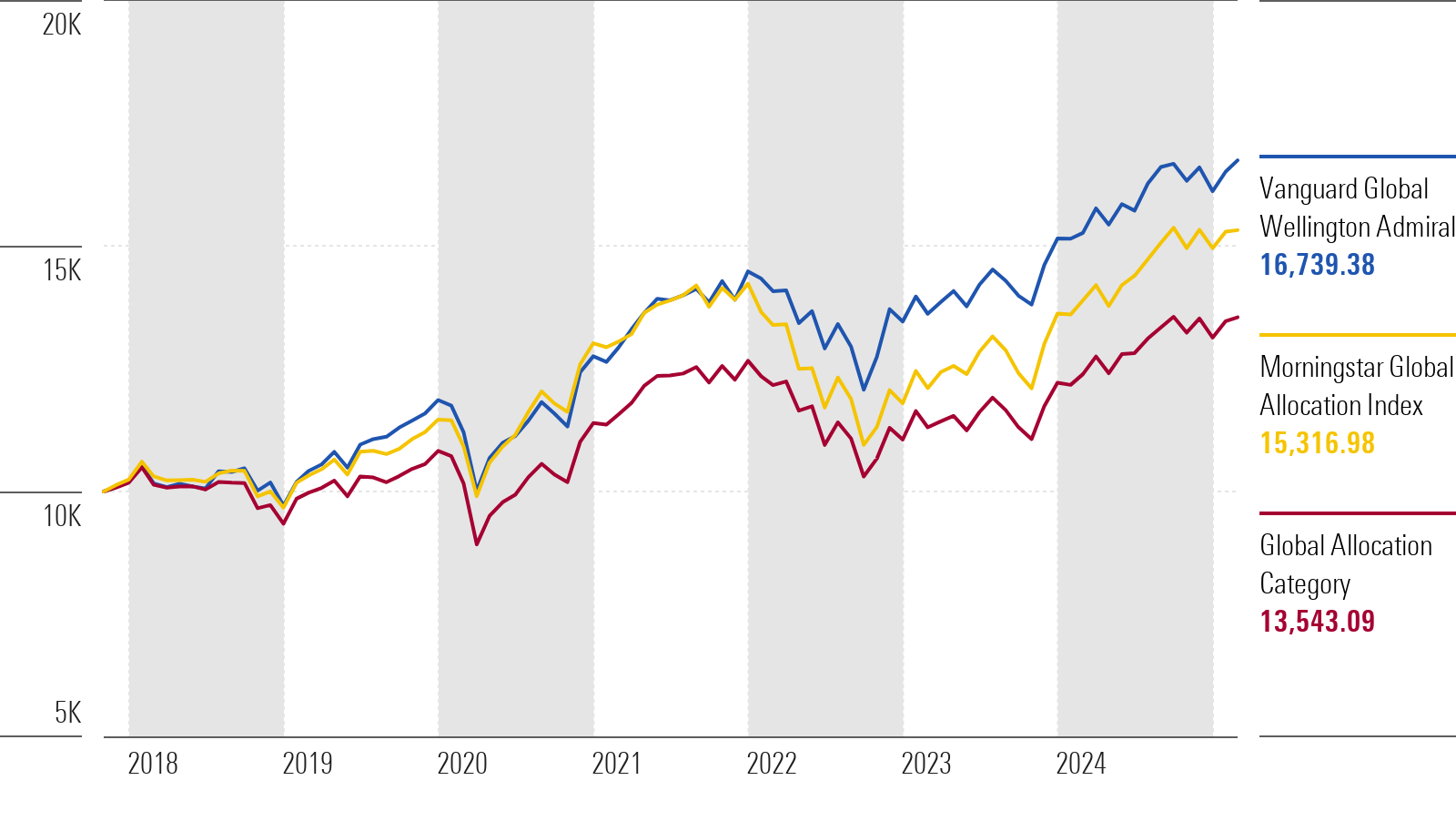
An investor who put $10,000 into Vanguard Global Wellington when it started in November 2017 through the end of February 2025 would now have about $16,700, almost $3,200 greater than the typical global allocation Morningstar Category peer and more than $1,400 greater than the Morningstar Global Allocation Index. That translates to a 7.3% annualized gain for the fund, compared with the category’s 4.2% and the index’s 6.0%.
Vanguard Global Wellington Fund’s Growth of $10,000 Over Kofman and Moran’s Tenure
Elizah McLaughlin of Fidelity Intermediate Muni
Portfolio manager Elizah McLaughlin co-runs more than 20 of Fidelity’s national- and state-level municipal-bond mutual funds, including the $12.2 billion, Silver-rated Fidelity Intermediate Municipal Income FLTMX, which earns an Above Average People rating.
McLaughlin completed her undergraduate studies at Wellesley College before earning her MBA from Cornell University and joining Fidelity in 1997. She built her career at Fidelity, and in addition to her portfolio manager title within the firm’s fixed-income division, she’s also been a research associate, associate analyst, and analyst at Fidelity.
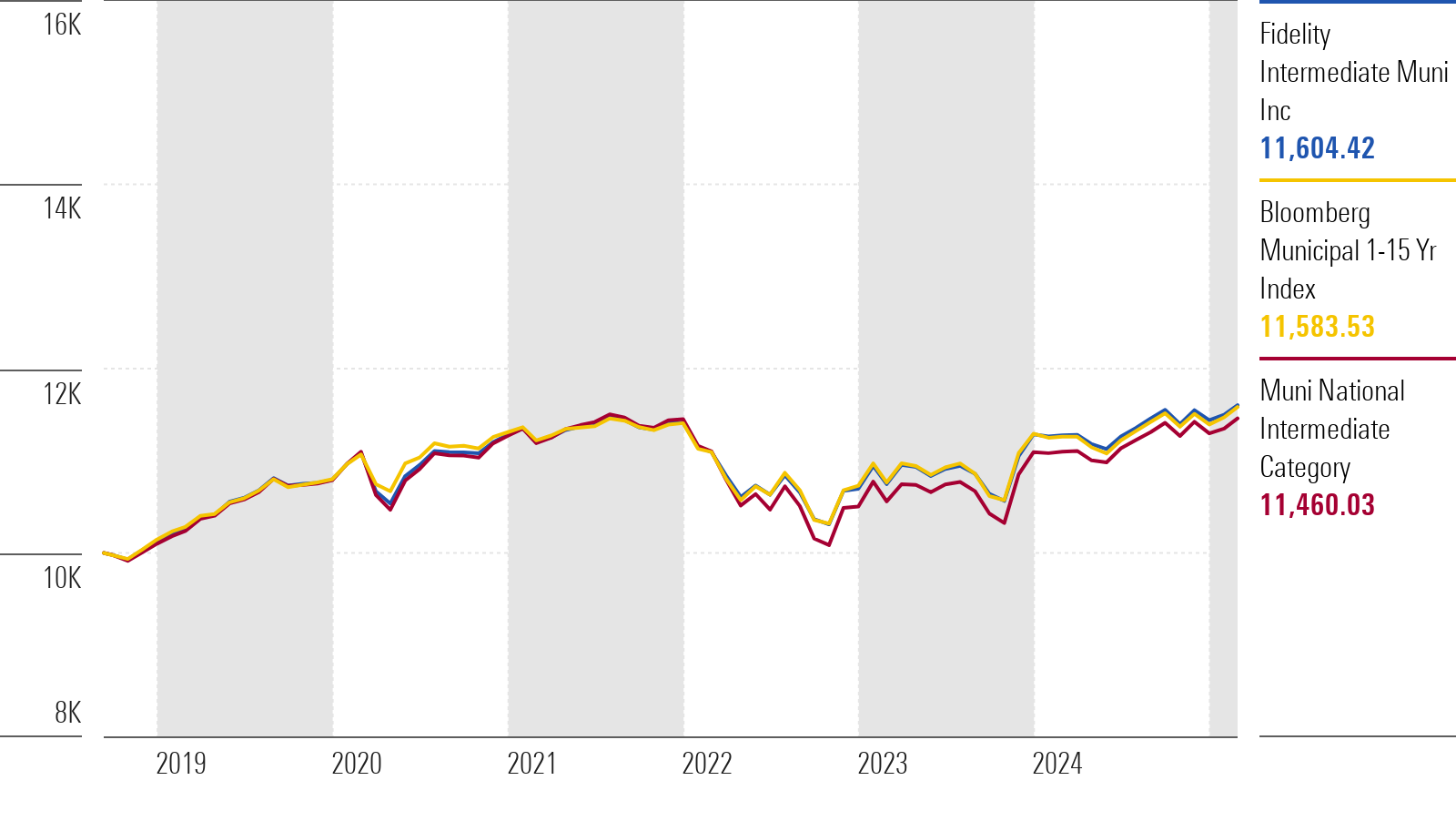
Since McLaughlin joined the fund in September 2018 through February 2025, a $10,000 investment has grown to $11,604, about $150 more than the typical muni national intermediate category average and about in line with the Bloomberg Municipal 1-15 Year Index. Those figures somewhat mask the strategy’s risk-conscious strengths, which are critical during muni-challenged markets. This was evident during the market’s high-yield selloff in late 2018 and again in 2020’s and 2022’s market turmoil, as the strategy’s higher-quality fare and strong security selection limited losses and helped it best its typical rival during those periods.
Fidelity Intermediate Muni Fund’s Growth of $10,000 Over McLaughlin’s Tenure
Natasha Kuhlkin of PGIM Jennison Focused Growth
Natasha Kuhlkin joined the $1.6 billion, Silver-rated PGIM Jennison Focused Growth PSGQX in April 2017, helping the fund earn its Above Average People rating.
Kuhlkin is also a portfolio manager on PGIM Jennison Growth. She previously specialized in consumer- and internet-focused companies for over two decades—important areas of expertise for tech-heavy equity growth funds like these. In addition to her 21 years at Jennison, her background includes stints at Palisade Capital Management and Evergreen Investment Management, plus an undergraduate degree from Binghamton University.
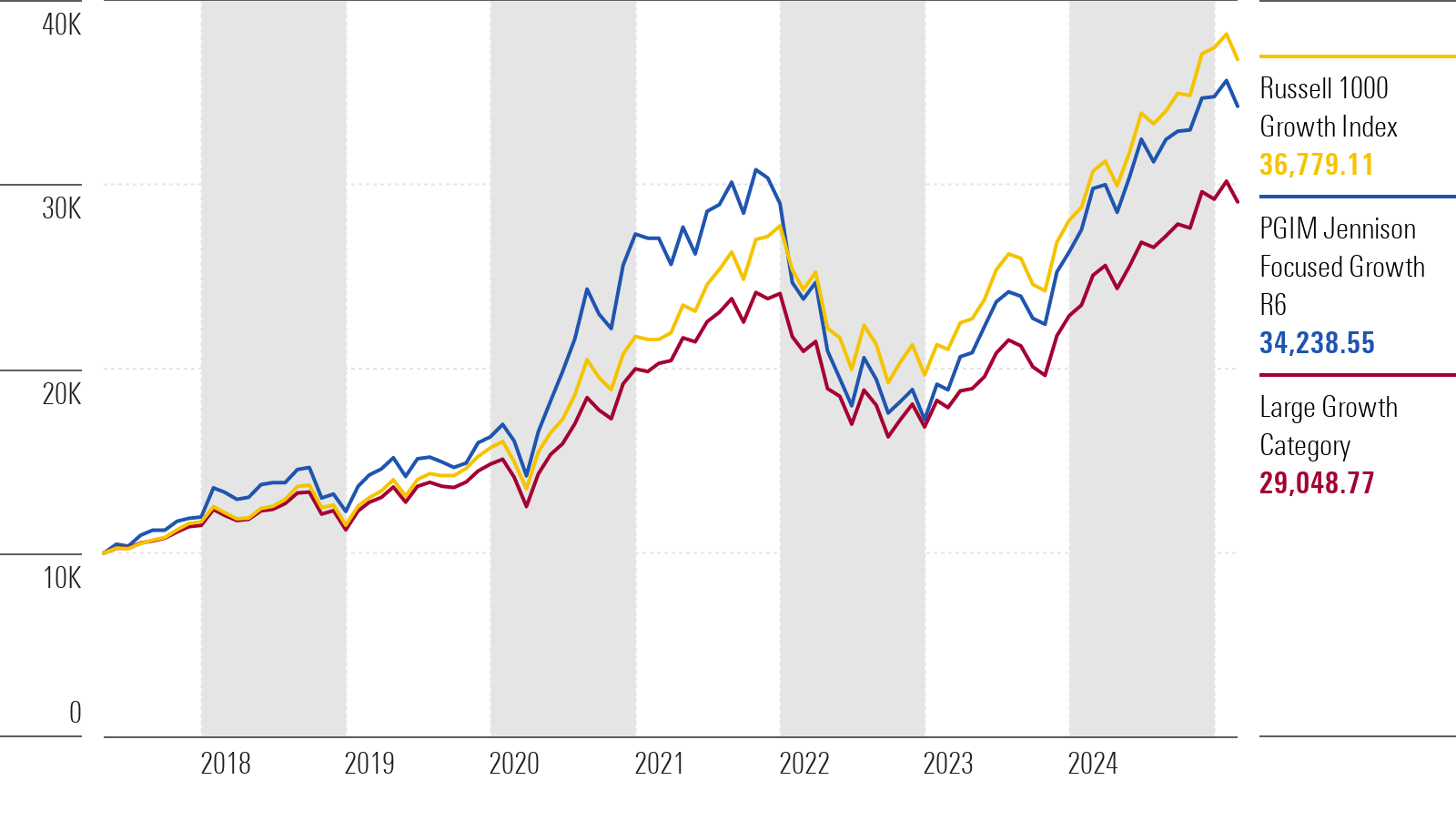
Under Kuhlkin’s tenure through February 2025, a $10,000 investment in PGIM Jennison Focused Growth would have grown to $34,239, more than $5,000 greater than the typical large-growth equity category fund. That doesn’t match the Russell 1000 Growth Index’s $36,779 growth over that period, a time when a few large names have dominated market returns. Still, the fund ranked in the top quartile of its large-growth equity peer group, delivering a heady annualized gain of 17.0% in those seven-plus years.
PGIM Jennison Focused Growth Fund’s Growth of $10,000 Over Kuhlkin’s Tenure
2025’s Top Women Portfolio Managers to Keep on Your Radar
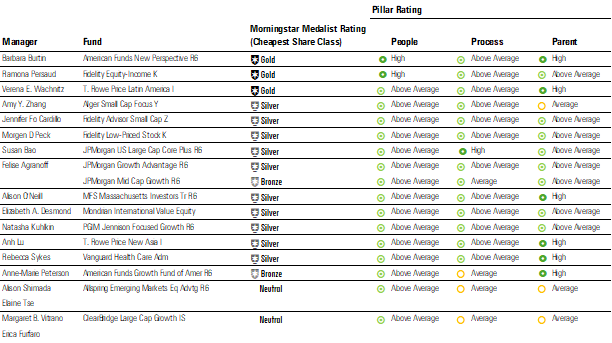
In addition to Kofman, Moran, McLaughlin, and Kuhlkin, below are some of the investment industry’s most exceptional women portfolios managers. The lists include funds where women play critical roles on the investment team, plus US funds managed by either a sole woman manager or all-women teams that earn Above Average or High People Pillar ratings from Morningstar analysts. These women have proved themselves over the long term, and investors should keep them on their radars.
Top Women Equity Managers
Top Women Equity Managers
Top Women Fixed-Income Managers
Top Women Fixed-Income Managers
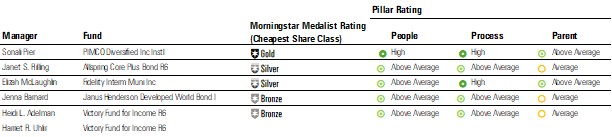
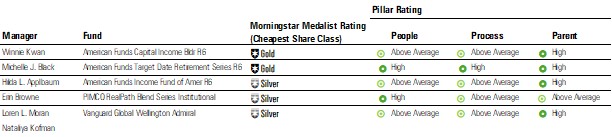
Top Women Allocation Managers
Top Women Allocation Managers
Clarification: (March 12, 2025): The section on Natasha Kuhlkin was updated to reflect her more current focus area.
The author or authors do not own shares in any securities mentioned in this article. Find out about Morningstar’s editorial policies.

 United States