
Stock Markets Jumped, Oil Prices Tumbled on US-Iran Ceasefire
Brent crude oil dropped to a four-week low as investors await more details on shipping recovery.

Key Takeaways
- US stocks rose on Wednesday after the US and Iran agreed to a two-week ceasefire.
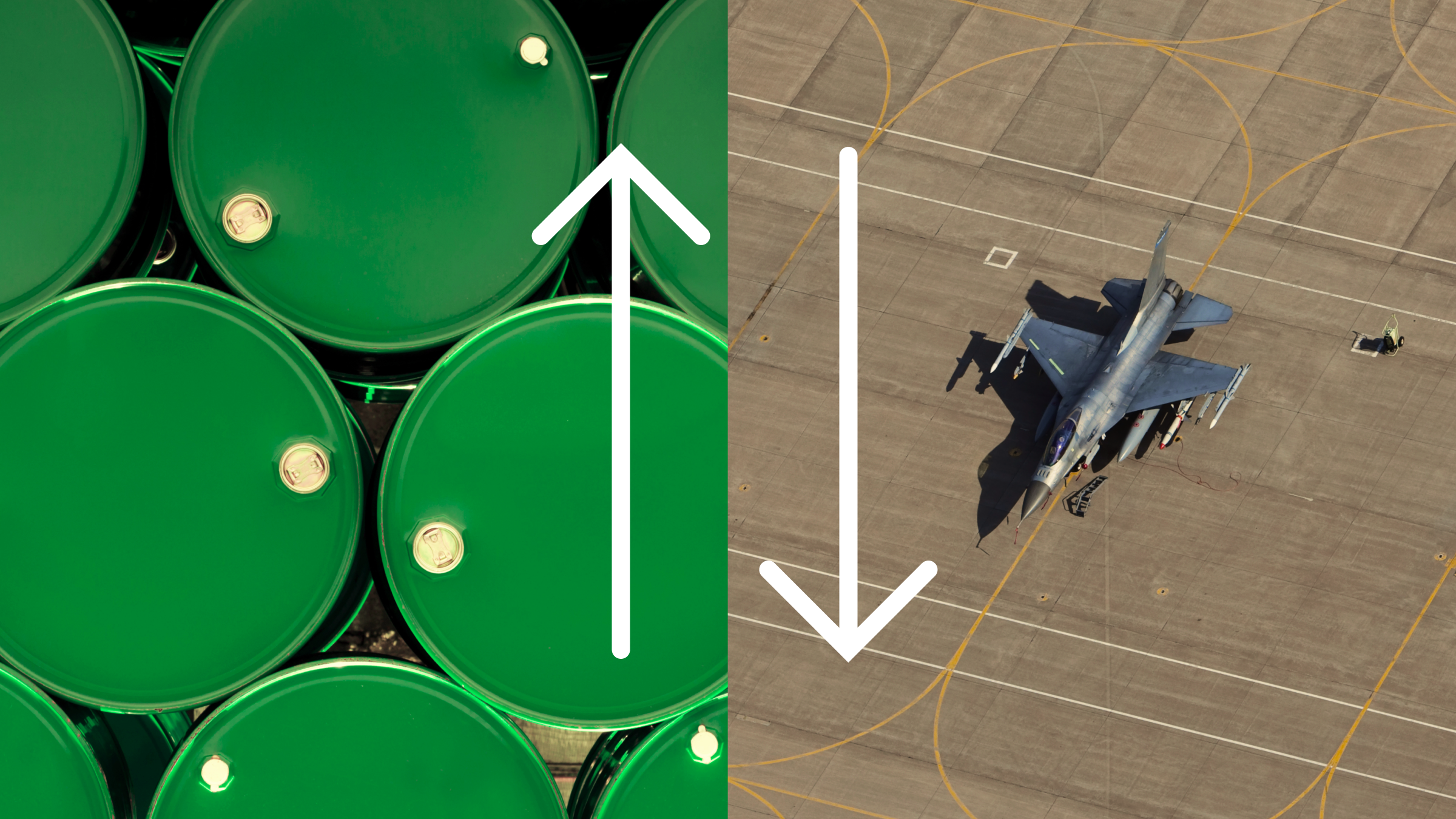
- Brent crude oil prices fell below $100 for the first time in more than two weeks, but they remain up sharply from before the war’s start.
- Markets will now be watching to see whether the ceasefire can hold and how negotiations for a permanent deal evolve over the coming days and weeks.
Oil prices dropped and stocks rose Wednesday following news that the United States and Iran had agreed to a two-week conditional ceasefire. The Morningstar US Market Index ended the day up 2.6%.
It was a similar story in Europe, with the Morningstar Europe Index ending the day up 2.7%. Travel and leisure stocks led the rally with double-digit gains, while energy stocks fell by a similar measure. Despite the rally, the Europe Index is still down roughly 4% from before the Iran war began.
This follows earlier sharp gains in Asia, with the Morningstar Asia Index adding 4.60% at one point before pulling back to 0.58%.
Stocks rallied as Brent crude oil futures fell 13% to $96 per barrel, having earlier sunk to its lowest intraday level in four weeks, while West Texas Intermediate crude oil futures fell 15% to $96. However, Brent crude oil prices remain around 30% higher than before the war.
The deal was struck shortly before US President Donald Trump’s deadline for Tehran to reopen the Strait or face strikes that he said would destroy a “whole civilization.”
Morningstar chief European markets strategist Michael Field says, “The suspension of US bombing in Iran has given markets hope that a longer-lasting peace deal will be found and driven oil prices down heavily this morning.”
Outlook Hinges on Pace of Shipping Recovery
Markets will now want to see whether the ceasefire can hold and how negotiations evolve over the coming days. Talks for a more permanent deal between the US and Iran are due to begin in Islamabad on Friday.
“The most important question for markets will be to what extent shipping via Hormuz picks up in the coming days,” Deutsche Bank analysts write. Shipments through the maritime gateway have come to a near standstill since the conflict began five weeks ago, halting global supplies of energy and other critical goods. Under the ceasefire, both sides agreed to allow shipping to resume through the Strait while Washington and Tehran negotiate on a more permanent agreement.
Government bonds rallied on hopes of improved prospects for the global economy.
As bond prices rose on Wednesday, the yield on the US Treasury 10-year note ticked down to 4.30% from 4.33% Tuesday. Before the start of the war, the yield on the 10-year note stood at 3.97%, lifted by concerns about the inflationary impact of the jump in oil prices.
Yields on 10-year German Bunds were down 0.1 percentage points to 2.94%. Gold prices were up 1.8% to $4,739.
Morningstar’s Field nevertheless sounds a cautious note over a sudden market recovery: “It will take more than hope for equity markets to fully recover their losses from the Iran war, but a resumption of normal oil supply from the region will certainly help.”
The author or authors do not own shares in any securities mentioned in this article. Find out about Morningstar’s editorial policies.

 United States