
What Bucket Investors Should Do in Down Markets
Tips for retirees who rely on their portfolios for cash flows.
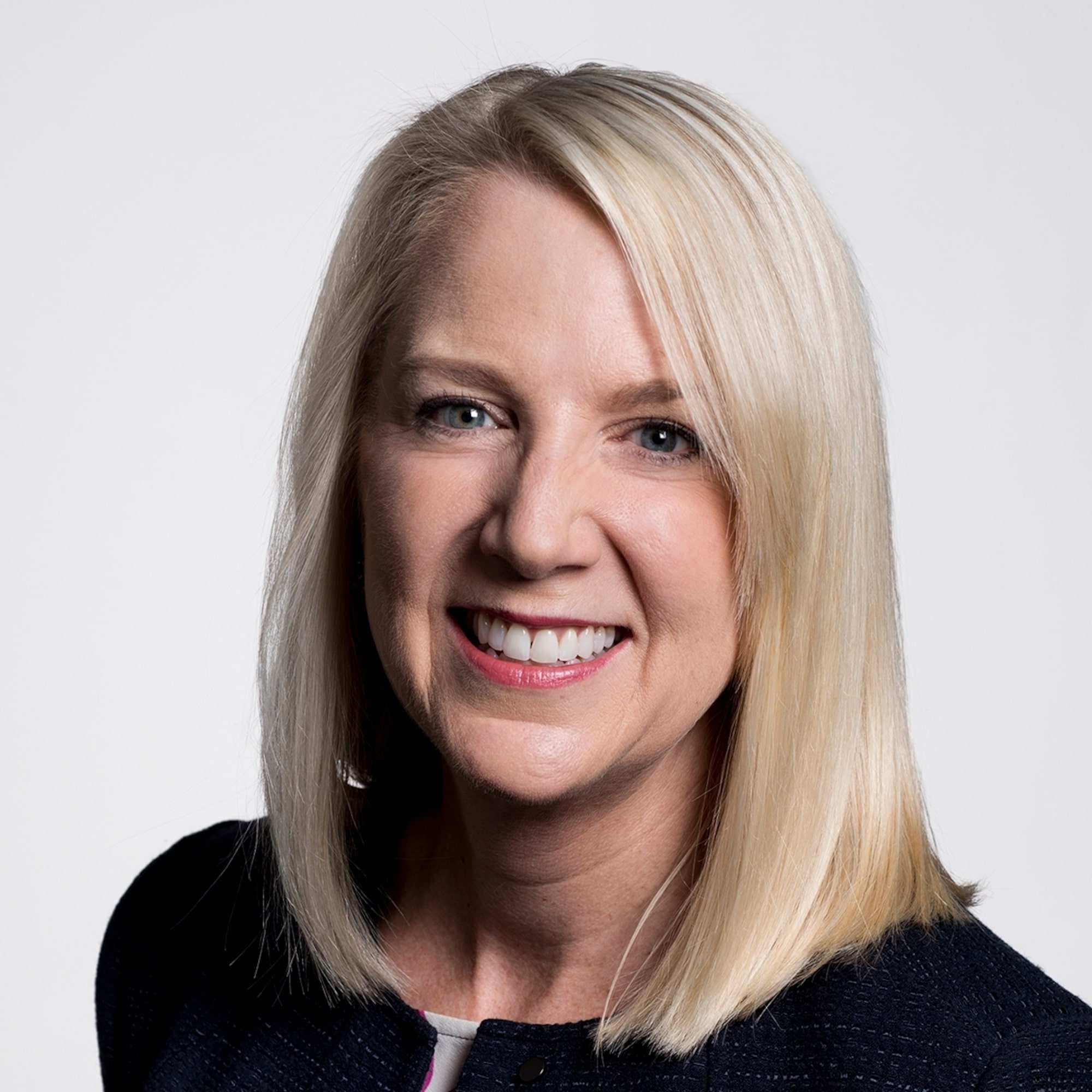

Margaret Giles: Hi, I’m Margaret Giles for Morningstar. The Bucket approach to retirement portfolio construction is designed to help retirees deal with bouts of volatility like the current one. Joining me to discuss how Bucket portfolios have been faring as of late is Christine Benz. Christine is Morningstar’s director of personal finance and retirement planning, host of The Long View podcast, and author of the bestselling book, How to Retire: 20 Lessons for a Happy, Successful, and Wealthy Retirement.
Christine, thanks for being here.
Christine Benz: Margaret, great to see you.
How the Bucket Strategy Addresses Market Volatility
Giles: First, can you briefly outline the Bucket approach and how it aims to address these periods of volatility?
Benz: Yeah, I’ve got my patter down on the Bucket strategy. The basic idea is that you are holding components of your portfolio that you can use to address various time periods. So if you need to sell something to meet your living expenses in retirement, you have lined up buckets to help address whatever is going on in the market. So in a year like this one, you’d surely want to be pulling from safer buckets. You’ve got a cash bucket and a high-quality bond bucket. Your withdrawals would likely be coming from those portions of the portfolio, and you’re leaving your equity portfolio, which may have sustained losses recently. You want it to repair itself and recover when the market eventually does. And in other years, you are leaving the cash and high-quality bond piece alone and you’re pulling from that appreciated equity piece when equities have performed relatively better.
So for a lot of investors, there’s not really magic to it in that if you do this allocation process, you end up with something like a 50/50 or a 60/40 portfolio. But I think it’s a good way to visualize, “Well, here’s why I’m holding which assets for which scenarios.”
How Bucket Investors Fared During Market Volatility
Giles: How have bucket investors been doing during this period relative to maybe an all stock or a 60/40 portfolio?
Benz: For most investors, this is kind of a balanced portfolio strategy. So I took a peek at my Bucket portfolio performance as of last night. So it was April 8 yesterday. The US market is down about 14% year to date through that period. The Bucket portfolios, not surprisingly, had done better. So the aggressive version, the aggressive ETF Bucket portfolio, was down about 6%. The moderate version was down about 4%. And the conservative version, which of course is more bond and cash-heavy, was down about 3%. So certainly better, roughly in line with what you would’ve had from a 60/40 portfolio or that aggressive portfolio was roughly in line with the 60/40 portfolio. So definitely, it supplies peace of mind at times like this. In fact, I’ve been hearing from readers who have been saying, “I’m comfortable with this Bucket approach because I know that I have my cash needs set aside. I’m not having to worry about what’s going on with my long-term portfolio.”
Why All Retirees Should Check Their Spending in a Down Market
Giles: Right. So you note that it’s important for all retirees, not just those using the Bucket strategy, to check on their spending during periods of volatility. What’s the value of that?
Benz: Yeah, if you’re retired, I would say this is the single greatest lever that you have if you want to improve things around the margins with your plan. If you can revisit your spending and see if you can’t pull in your belt a little bit through periods like this, take a little bit less from your portfolio, that’s ideal. And the reason is quite intuitive, which is that if you are spending less from your portfolio, that leaves more of the portfolio in place to recover when the markets inevitably will. So that’s the basic idea there.
Where Retirees Can Get Cash Flows in a Down Market
Giles: That makes sense. And so you’ve touched on this a little bit already, where should retirees go for cash flows if they need to pull money from their portfolios?
Benz: Right. So if they need money this year, I would say look to those safer portions of your portfolio. Your cash bucket is in positive territory, for sure. Yields are a little better these days. Fixed-income assets have been a little bit wobbly during this period, I think surprising some people, but those would still be substantially more stable than the equity piece. I would look to those two parts of the portfolio first before thinking about touching equity assets at this point.
Should Retirees Reinvest or Spend Income Distributions During Market Volatility?
Giles: Now, what if those portfolios are producing income? Should they be reinvesting or spending these income distributions?
Benz: This is kind of a philosophical question that I would urge investors to think through really before they begin embarking on building and pulling from a Bucket portfolio. But I think if you have equity assets, dividend-paying stocks in particular, if you can reinvest your income distributions back into them, if you like the stocks or the funds, that is a great strategy in periods like this. It helps ensure that your money is staying at work in your equities. And if you can pull from other portions of the portfolio, I think that’s a little bit better. And that’s one reason why I typically would encourage investors to not retire with just an all dividend-paying stock portfolio. You would probably want something safer around the margins, at least, for times like these, so that you can reinvest those income distributions back into your equity holdings.
How Often Bucket Investors Should Check Up on Their Portfolio
Giles: Absolutely. So to wrap up here, how often should a Bucket investor be checking up on their portfolio?
Benz: Less is more, for sure. Really, regardless of your life stage or whatever strategy you’re employing, the less attention you can pay to it, the better. So I always tell investors a good once-a-year portfolio checkup in retirement is plenty, and you can get a lot of jobs done in that checkup. So you can source your distributions for the year ahead. If you have tax things you need to attend to, whether taking required minimum distributions or maybe doing some tax-loss selling, you can do those things, too. And so I would wrap it all up into a fourth-quarter exercise where you’re tackling a lot of those jobs and ideally, to the extent that you possibly can, tune out these volatile periods that we periodically go through.
Giles: Right. It’s certainly tempting, but I appreciate the less-is-more approach.
Christine, thanks for being here.
Benz: Thanks so much, Margaret.
Giles: I’m Margaret Giles for Morningstar. Thanks for watching.
Watch How Market Volatility Affects Required Minimum Distributions for more from Christine Benz and Margaret Giles.
The author or authors do not own shares in any securities mentioned in this article. Find out about Morningstar’s editorial policies.

 United States