
After Earnings, Is Tesla Stock a Buy, a Sell, or Fairly Valued?
With near-term pressure on deliveries and profits but long-term upside from autonomous tech, here’s what we think of Tesla stock.

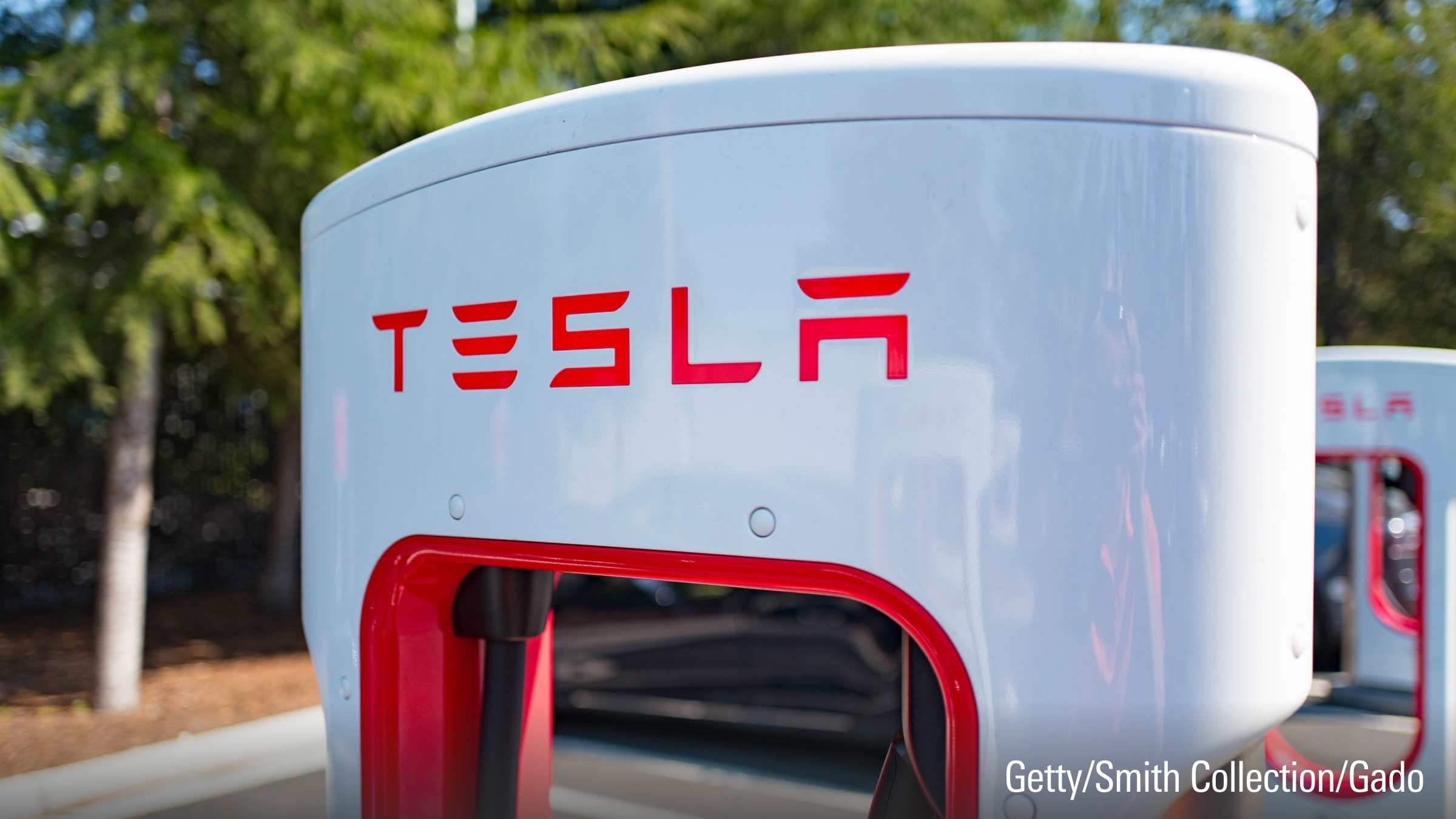
Tesla TSLA released its first-quarter earnings report on April 2. Here’s Morningstar’s take on Tesla’s earnings and stock.
Key Morningstar Metrics for Tesla
- Fair Value Estimate: $250.00
- Morningstar Rating: ★★★
- Economic Moat: Narrow
- Morningstar Uncertainty Rating: Very High
What We Thought of Tesla’s Q1 Earnings
- We view Tesla shares as fairly valued at current levels, with the stock trading above our $250 fair value estimate but still within our 3-star rating range, indicating a balanced risk/reward profile under our assumptions.
- We expect continued extreme volatility in Tesla’s stock over the coming months, driven by a tug of war between bullish long-term expectations for autonomous driving and robotaxis and bearish near-term concerns about declining vehicle deliveries and margin pressure.
- Should the stock fall below our fair value estimate and offer an adequate margin of safety, we would see that as a compelling entry point for long-term investors who are comfortable with significant price swings.
Tesla Stock Price
Fair Value Estimate for Tesla
With its 3-star rating, we believe Tesla’s stock is fairly valued compared with our long-term fair value estimate of $250 per share. We use a weighted average cost of capital of just under 9%. Our equity valuation adds back nonrecourse and nondilutive convertible debt.
In 2025, we forecast deliveries will slightly fall versus the 1.79 million deliveries in 2024. We expect first half deliveries will be affected by the new Model Y not being solid in all markets, especially in the beginning of the year. However, we forecast a better second half of the year as the affordable vehicle is launched by midyear. As the company is ramping up production of the new vehicles, we expect automotive gross margins excluding credits will remain in the mid-teens, below management’s long-term goal of 20%.
Read more about Tesla’s fair value estimate.
Economic Moat Rating
We award Tesla a narrow moat rating. Tesla’s moat stems from two of our five moat sources: intangible assets and cost advantage. The company’s strong brand cachet as a luxury automaker commands premium pricing, while its EV manufacturing expertise allows the company to make its vehicles cheaper than its competitors.
Tesla’s brand cachet is not likely to be impaired anytime soon as other automakers move into the battery electric vehicle space because we expect the company to keep innovating to stay ahead of startup and established competitors. The Model S Plaid, the most upgraded version of Tesla’s luxury sedan, offers 390 miles of range, at the high end for electric vehicles. It does 0-60 mph in under 2 seconds and has 1,020 horsepower, putting the Model S Plaid in a rare class of performance among all autos, regardless of powertrain. By focusing on the luxury auto market first, Tesla was able to create tremendous media publicity for the company that reaches beyond its customers. This generated strong consumer demand for its subsequent vehicles at lower price points, such as the Model 3 and Model Y. As other new vehicles are launched, such as the affordable SUV, we expect the company’s strong brand will continue to generate consumer demand.
Read more about Tesla’s fair value estimate.
Financial Strength
Tesla is in excellent financial health. Cash, cash equivalents, and investments were around $37 billion and far exceeded total debt as of Dec. 31, 2024. Total debt was around $7.2 billion; however, total debt excluding vehicle and energy product financing (nonrecourse debt) was less than $10 million.
Tesla’s growth going forward will be largely self-funded. With its positive free cash flow generation and large cash balance, we think Tesla should be able to easily fund its growth plans in the coming years.
Read more about Tesla’s fair value estimate.
Risk and Uncertainty
We assign Tesla a Very High Uncertainty Rating, as we see a wide range of potential outcomes for the company. The automotive market is highly cyclical and subject to sharp demand declines based on economic conditions. As an EV market leader, Tesla is subject to growing competition from traditional automakers and new entrants. As new lower-priced EVs enter the market, Tesla may be forced to continue to cut prices, reducing the firm’s industry-leading profits. With more EV choices, consumers may view Tesla less favorably. The company is also investing heavily in R&D to develop autonomous driving software, robotaxis, and humanoid robots with no guarantee these investments will bear fruit. As of the last SEC filing, Tesla’s CEO owns roughly 12% of the company’s stock and uses it as collateral for personal loans, which raises the risk of a large sale to repay debt.
Read more about Tesla’s fair value estimate.
TSLA Bulls Say
- Tesla could disrupt the automotive and power generation industries with its technology for EVs, AVs, batteries, and solar generation systems.
- Tesla will see higher profit margins as it reduces unit production costs over the next several years.
- Tesla’s full self-driving software should generate growing profits in the coming years as the technology continues to improve, leading to a robotaxi service, increased adoption by Tesla drivers, and licensing from other auto manufacturers.
TSLA Bears Say
- Traditional automakers and new entrants are investing heavily in EV development, which will result in Tesla seeing a deceleration in sales growth and being forced to cut prices due to increased competition, eroding profit margins.
- Tesla’s large investment into autonomous driving software will be value destructive as the robotaxi product will face delays and competition from Waymo, who already offers a robotaxi service.
- Tesla CEO Elon Musk’s political activities will turn consumers away from buying a Tesla in key markets including the US and Europe, leading to lower sales and profits.
This article was compiled by Jacqueline Walker.
The author or authors do not own shares in any securities mentioned in this article. Find out about Morningstar’s editorial policies.

 United States