
Healthcare Stocks Got Crushed After the Election—Is It Time to Buy?
Investors are worried about what’s next for healthcare companies under Trump.

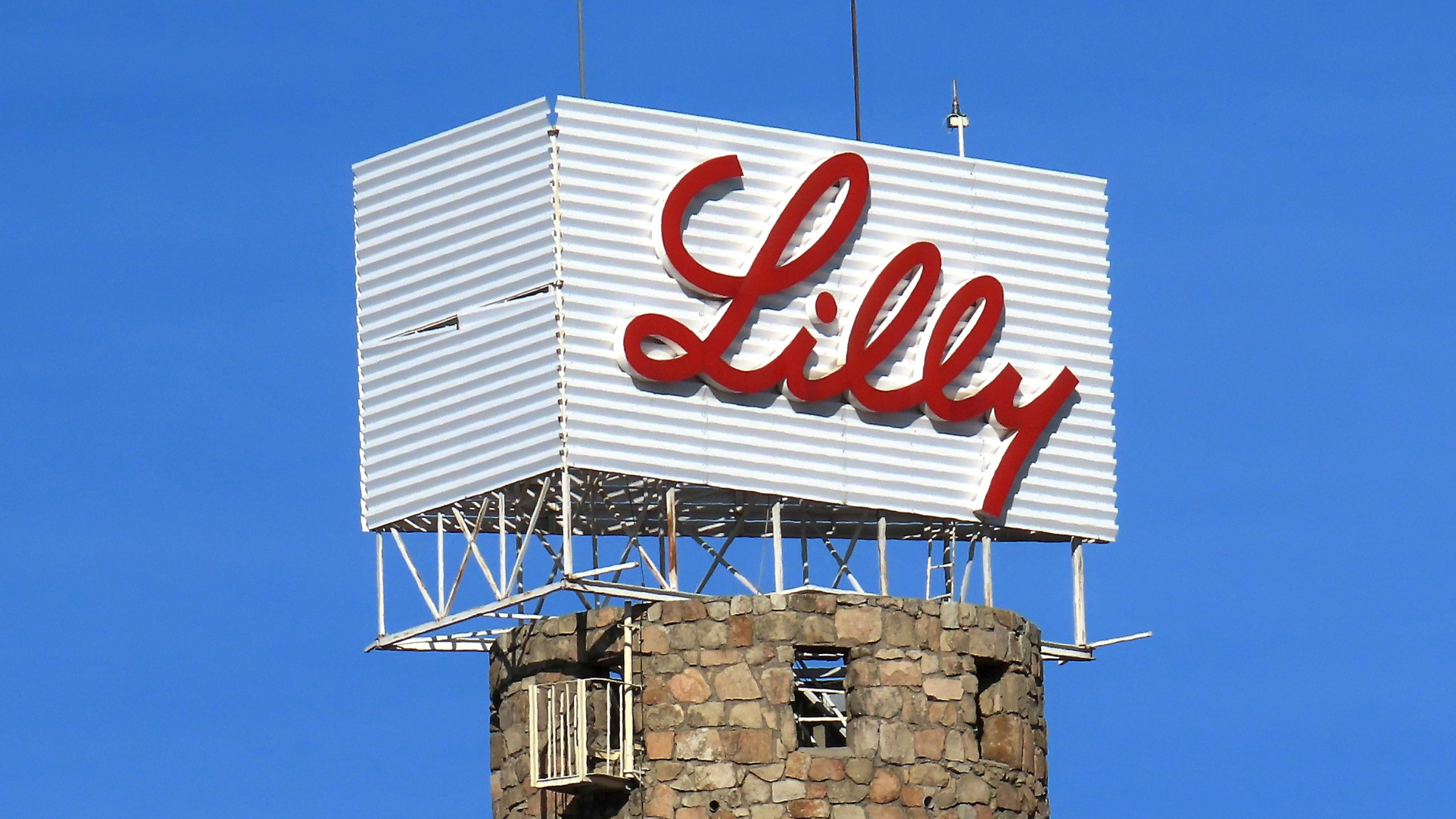
Donald Trump’s victory in the US presidential election has sent the overall stock market higher. But it’s been a different story for healthcare stocks.
The Morningstar US Healthcare Index has lost 3.4% since Nov. 5, led by AbbVie ABBV and Eli Lilly’s LLY losses. The bulk of the declines came between Nov. 8 and Nov. 19, when the index fell more than 5%. Healthcare stocks recovered some of those losses on Wednesday. In addition, some industries escaped the carnage, most notably medical device makers and insurers.
This selloff extended losses healthcare stocks have seen since the end of August. While the first eight months of the year were strong, the sector has lost nearly 10% since the start of September. Over the same time, the Morningstar US Market Index is up 5.5%. Analysts say heightened uncertainty about a range of policies that could affect healthcare companies under the new administration is driving the losses.
On the plus side, the selloff means many healthcare stocks are trading at prices our analysts peg as undervalued. A list of names trading at a significant discount can be found at the end of this article.
‘Unpredictable’ Course for Policy Hitting Healthcare Stocks
“Generally, government leadership in healthcare is looking increasingly unpredictable,” says Karen Andersen, Morningstar’s director of healthcare equity research. That’s certainly making investors nervous. But under the hood, some healthcare companies are faring better than others. While the net result of the uncertainty has been many lower stocks, there’s a mix of headwinds and tailwinds at work.
On the one hand, Andersen explains that an overall push toward deregulation under the new Trump administration could make mergers and acquisitions easier for larger firms. Repealing the Medicare negotiation portion of the Inflation Reduction Act could ease price pressures within the industry. Lower corporate taxes—which is seen as a likely outcome, thanks to the Republican sweep of the White House and Congress—could benefit big business across the board.
But Trump’s choice of Robert F. Kennedy Jr. to lead the Department of Health and Human Services has muddied the outlook. Andersen points out how Kennedy has been vocal about his opposition to vaccines, which could make it harder for companies to get new vaccines approved and erode public trust in vaccines overall. Kennedy has also voiced skepticism about the benefits of obesity drugs, which have been a major tailwind for the pharmaceutical industry over the past year.
Drugmakers Suffer Losses
Since the election, the biggest drags on the US Healthcare Index have been drugmakers AbbVie and Lilly. AbbVie has fallen an eyewatering 17% since the election, while Lilly is down 6.3%. Together those stocks account for about 1.7 percentage points (about 50%) of the healthcare index’s 3.4% loss since Nov. 5, according to data from Morningstar Direct.
Vaccine maker Pfizer PFE has also seen major losses, with shares down more than 9% since the election. It’s not weighted as heavily as AbbVie and Lilly in the index. Drugmaker Amgen AMGN and life science supplier Thermo Fisher Scientific TMO also saw losses, and they were among the biggest detractors to the index’s overall performance.
Insurers and Device Makers Avoid the Carnage
Not all these stocks have struggled, however. McKesson MCK, a pharmaceutical wholesaler, has gained 18% in the wake of the election, while UnitedHealth Group UNH is up 5.9%.
Analysts say insurers could see a boost from the incoming administration. “With the Republicans winning, pressure on certain parts of the managed care industry could ease a bit,” explains Morningstar senior equity analyst Julie Utterback. “Specifically, we would expect regulators to stop turning the screws so hard on Medicare Advantage beyond current risk-adjustment initiatives that are projected to be completed in 2026, which would bode well for M&A-focused insurers like UnitedHealth.”
Meanwhile, medical device makers Intuitive Surgical ISRG, Boston Scientific BSX, and Stryker SYK have all returned more than 4% since the election.
Opportunity in Undervalued Stocks
The sector is trading at a discount of 6.6% overall, according to Morningstar’s fair value estimates. Investors can still find opportunities, especially since the overall US market is trading at a premium of about 5%.
“With healthcare companies trading well below Morningstar’s estimates of their fair values, a lot of bad news is baked into the price, increasing the probability of a positive surprise,” wrote Morningstar chief research and investment officer Dan Kemp last week.
Of the 109 healthcare stocks covered by Morningstar analysts, 15 carry a 5-star rating, meaning they’re trading at large discounts to our assessments of their fair market values. Another 45 stocks carry 4-star ratings, meaning they are considered undervalued, though at smaller discounts than 5-star stocks.
“The uncertainty around the next four years under the Trump administration has created some buying opportunities,” Andersen says, adding that the pullback in the sector has brought some overvalued names like Lilly and Novo Nordisk NVO closer to their fair value estimates. She points out that Lilly’s heavy weighting in the US Healthcare Index is skewing the index’s overall valuation higher. Our analysts see Lilly as 30% overvalued; without that stock, the US Healthcare Index would be trading at a discount closer to 9%.
The author or authors do not own shares in any securities mentioned in this article. Find out about Morningstar’s editorial policies.

 United States