
Ready for Liftoff: What to Watch As SpaceX Goes Public
It will be more than just the stock’s first-day trading that matters.

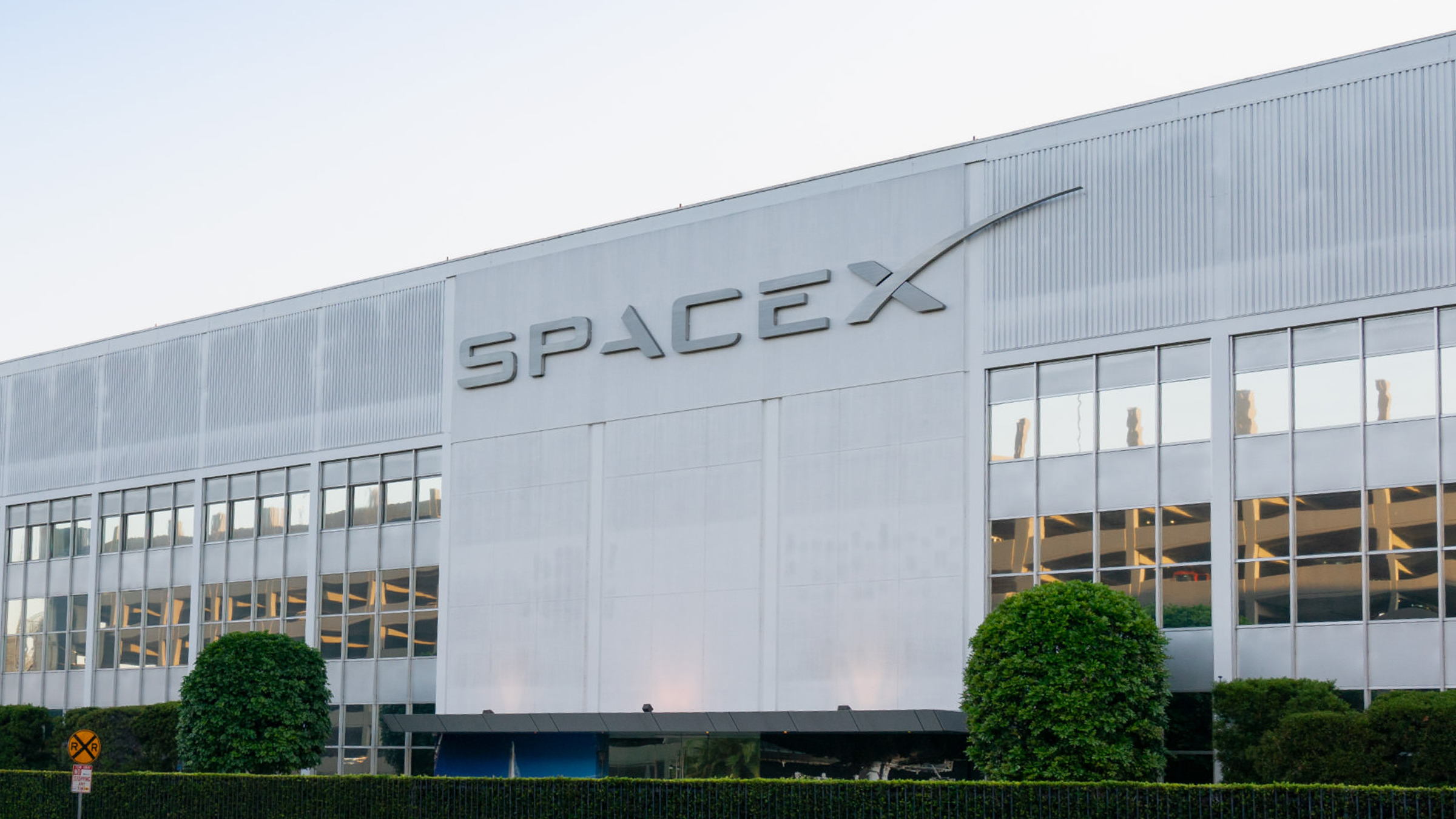
When SpaceX starts trading on the Nasdaq on Friday under the symbol SPCX, investors will be watching whether the largest IPO ever can stay above its offering price both in its debut session and in the months to come. The record-breaking IPO comes to market with a relatively slim number of shares being sold, unusually large buy-in from individual investors, and rolling lockup of when pre-IPO shareholders will be able to sell their stock.
On Thursday, SpaceX said it sold 555.6 million shares at $135 per share, raising $75 billion in the largest IPO on record. Underwriters have a 30-day option to purchase an additional 83 million shares.
The outcome of SpaceX’s IPO could set the tone for other big companies in the 2026 IPO pipeline, including OpenAI—which last week confidentially filed IPO documents with the SEC—and Anthropic. In addition, SpaceX stock will be showing up in many key market benchmarks and widely-held index funds sooner than is usually the case—as soon as five business days from now—albeit at small weightings.
On Friday, the immediate focus will be how SpaceX stock trades once it’s in the hands of the open market and whether it gets a first-day pop from its $135 offering price. But analysts say what matters more for future mega-IPOs could be how the newly-minted stock fares in the weeks and months ahead.
“If the price jumps—and, importantly, stays up by the time of these IPOs later this year—that’s going to make institutional investors much more willing to pay up for the high valuations on OpenAI and Anthropic,” said Jay Ritter, a professor at the University of Florida’s Warrington College of Business. “Probably, the price is going to jump on the first day, but if it starts deteriorating before Anthropic and OpenAI go public, that’s going to make it much tougher for these companies to get as high a valuation at the offer price as they otherwise would.”
SpaceX’s Unusual IPO Pricing and Share Lockup
SpaceX appears to have structured its unconventional IPO mechanics to dampen volatility and keep the stock above $135 on Day One. The debut is coming against an unsettled market amid the Iran war.
SpaceX initially allocated up to 30% of its heavily oversubscribed offering to retail investors—an unusually large share—while its slim float and tiered lockup will further constrain the number of shares available when it begins trading. That retail allocation was reportedly slashed closer to 20% of the offering on Thursday.
SpaceX also took an unusual approach to pricing its IPO. After expectations of a $2 trillion valuation circulated widely, the company had said last week that it planned to price at $135 a share. Companies typically offer a price range target and adjust it based on investor reception during their roadshow.
“It does remove the upside a little bit,” says Franco Granda, a senior research analyst at PitchBook who covers SpaceX. “For them, it’s just their way of doing it, this ‘take it or leave it’ approach.”
SpaceX’s Valuation vs. The Elon Musk Factor
While the IPO is coming at $135 per share and a $1.77 trillion valuations, Morningstar equity research pegs the value of SpaceX at $780 billion, or just $63 per share
“People are going to be buying this stock because of Elon Musk,” says Angelo Bochanis, an analyst at Renaissance Capital covering SpaceX. “They believe in the man. They believe in the mission. And they don’t really care about what multiple they’re buying it at, right?”
Investors will expect Musk to funnel much of the IPO proceeds into SpaceX’s data center buildout, which has been driving much of the company’s capital spending.
“The markets are telling us that the returns to investing in the picks and shovels of AI are very promising,” says Michael Ewens, a finance professor at Columbia Business School. “If you have expertise in an existing AI infrastructure, as they do, it would make a lot of sense.”
Anthropic struck a deal to pay SpaceX $15 billion a year through 2029 for compute, and Google recently signed a cloud deal that pays Musk’s company $920 million a month.
July Earnings As a Critical Test
Further out, investors will be looking ahead to medium- and longer-term signals, including updated company financials when SpaceX reports its second-quarter earnings, as well as how public market investors will view Musk’s control over the company through its dual-class share structure.
Starlink is SpaceX’s only currently profitable business line. Analysts and investors hope the company’s initial quarterly earnings report, expected in July, will disclose its churn on retail and enterprise AI subscriptions, showing how it’s faring in that competitive market.
The company reported $10.1 billion of total capital expenditures in the first quarter, driven by $7.72 billion of AI capex. It also carries a heavy debt load of $29.1 billion, but its IPO filings did not disclose plans to use the proceeds to pay down that debt.
“Capex is going to be huge,” said Mike Alves, founder of VIDA Vision Fund and a pre-IPO SpaceX investor. “But if you’re in it for the long run, you keep that in mind. There’s going to be a lot of money spent. They may not be profitable for the next two or three years. But, knowing what the goal is, I think it’s a no-brainer.”
Editor’s Note: This article was originally published on PitchBook.com.
The author or authors do not own shares in any securities mentioned in this article. Find out about Morningstar’s editorial policies.

 United States