
Why Stock Investors Need to Watch US Treasury Yields
Here’s what rising yields on the 10-year Treasury may mean for stock investors.



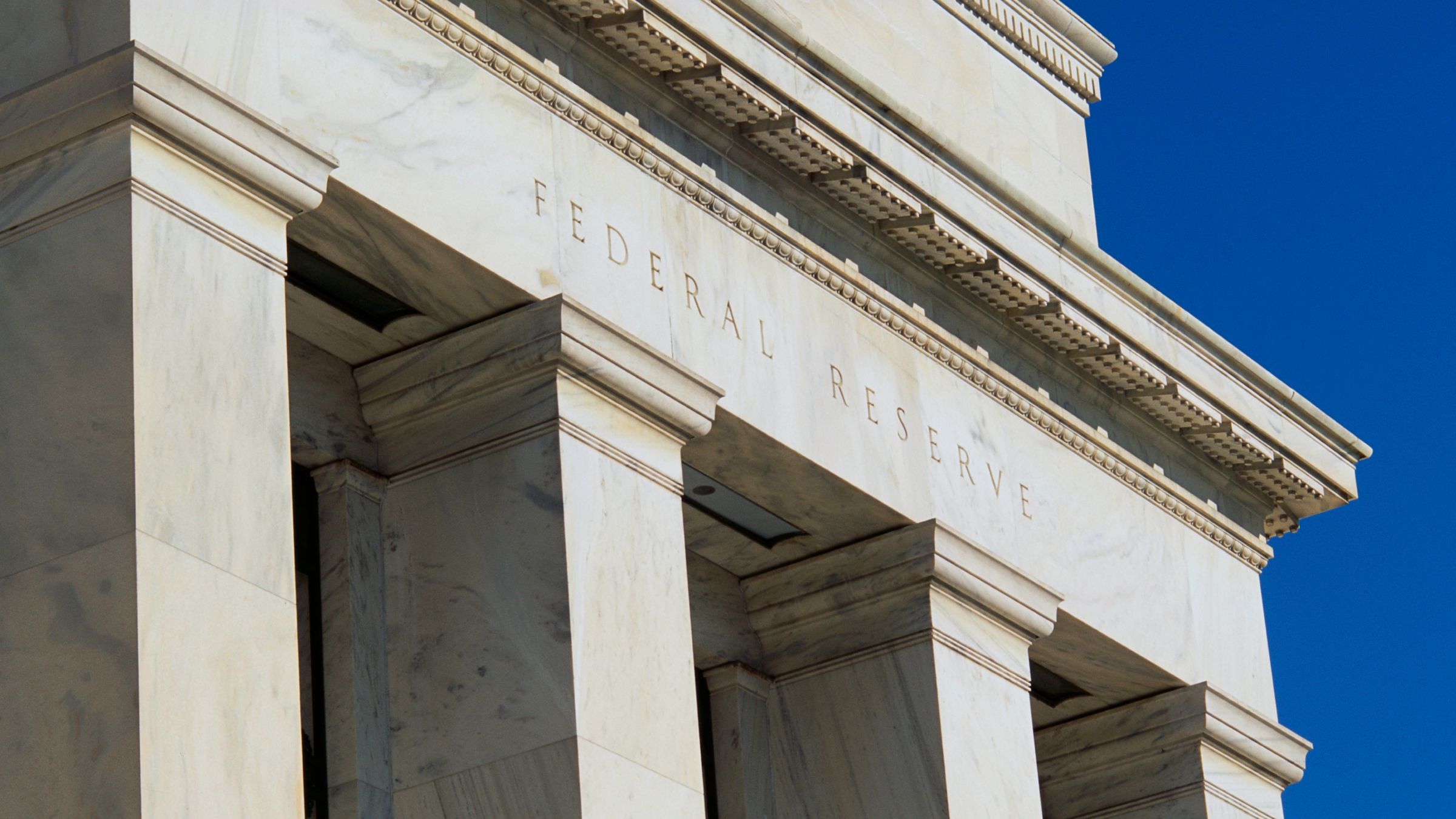
On the Sept. 21, 2026, episode of The Morning Filter podcast, hosts Susan Dziubinski and Morningstar Chief US Market Strategist Dave Sekera discussed the market’s reaction to the Federal Reserve’s decision last week to hike interest rates. Here is an excerpt from the show.
What Drove the Market’s Reaction to the Fed Rate Hike?
Susan Dziubinski: Let’s kick off today’s podcast with last week’s interest rate hike. Going into the meeting, the market seemed fairly confident that the Fed would raise interest rates, yet stocks still sold off after the meeting. What do you make of that?
Dave Sekera: I think you need to be really careful. Yes, stocks did sell off after the meeting. Then on Thursday, we had what I would call an everything rally. Everything seemed to do better on Thursday, and it was a very strong day. The market held up pretty well on Friday, and before the market opened today, it looks like everything is doing pretty well. In fact, I would say surprisingly strong this morning. In my opinion, all of the headlines, all of the talk about Chair [Kevin] Warsh’s talk and his tone and everything that he was trying to tell the marketplace, to some degree, you always have to realize a lot of that is just going to be noise here in the short term.
So, yes, the message he was trying to get across to the marketplace was that inflation is still too high; it’s been too high for too long. The Fed is willing to do whatever they need to do in order to restore price stability and so forth. If you look at their economic projections, they showed the upward revision to the expected policy path, but at the end of the day, the Fed’s going to end up always doing what the economy and the market force them to do. So, as long as they don’t make a policy mistake, they’re really what I would consider to be more a lagging indicator than they are a leading indicator.
Looking forward, the market, still a little unsure exactly what they’re going to be doing here in October, has an over 50% probability of them hiking at that point. But I have to point out there’s also a 40% probability of another hike in December. One month ago, that wasn’t even on the radar that they would hike in December. There’s, in my mind, at least one more hike before the end of the year, if not two.
I guess the real question to the marketplace is why is there such a focus on inflation right now? And, in fact, if you look at core CPI, that’s actually lower now than when Fed Chair Powell did the opposite, and he had cut the federal-funds rate by 50 basis points in September 2024. Again, take this with, I would say, a boulder of salt. I’m not an economist. This is my purely noneconomist opinion, but to me it’s all about the 10-year US Treasury. At this point, we’re still battling 5%. Some days it’s a little bit over, some days it’s a little bit under, but back then, when they had cut, they had a lot more room to make changes to ease monetary policy. Back then, the 10-year was only at 3.7%.
Now, if you look at the 10-year today, the market-derived future inflation expectations are still really in the middle of the range they’ve been since 2021. With the 10-year interest rate being higher, that means the market is requiring higher real interest rates after inflation than what we had before. And to some degree, I think it’s just a supply/demand issue because there’s just too much supply of new US Treasuries coming to market. There’s going to be tens, if not hundreds, of billions of dollars of new supply coming in order to be able to fund the AI buildout boom. So, the market’s pricing that future supply into expectations, and people are just saying, “Hey, if we’re going to have all of that still yet to come, you need to pay me a higher yield now in order to be able to compensate for that.”
The thing with inflation is that they have to keep inflation expectations from rising because if inflation expectations start to move up here, that’s going to end up pushing that 10-year yield even higher. Right now, the five-year, five-year forward is at 2.3%; let’s just say that went up to 3.0%. If people started pricing in 3% long-term inflation, that’s going to take that 5% yield and take that all the way up to five and three-quarters. And if that’s going up that high, you’re probably going to get an even higher real yield. At that point, you’re not over 6%. I think it’s really a matter of you have to keep those inflation expectations from rising because any of that starts to flow through is immediately going to push the 10-year Treasury even higher.
What Higher Treasury Yields Could Mean for Investors
Dziubinski: Dave, I was going to ask you about the 10-year Treasury topping 5% last week. Would that be the other thing that really stood out to you last week, or was there anything else that investors should really be mindful of?
Sekera: No, I think you definitely really need to keep a close eye on the Treasury. I mean, there’s a huge battle that’s going on right at that 5% level. Now, 5% in and of itself is not necessarily that impactful from purely just a fundamental point of view. I think, to some degree, being over 5% in the low-five area, probably the greatest adverse impact is really just the negative sentiment that I think that drives for equity investors. But if yields stay there and they start continuing to creep higher from there, the higher it goes, of course, the more material and negatively material impact it’s going to have.
I think, to some degree, you get fixed-income investors, investors in general, especially those that do asset-liability duration matching, like insurance companies and pension funds; they will continue to start reallocating more of their portfolios into fixed income and away from equity. So, you have the negative technicals from that. And of course, if the equity market starts pricing in a higher rate of return required because you’ve got higher interest rates and you put that into your DCF model, that, in turn, lowers present values today. Again, it’s really a matter of if that interest rate stays here and continues to creep higher, then I think those kinds of both fundamental as well as technical negatives really start to hit stocks.
Subscribe to The Morning Filter on Apple Podcasts, or wherever you get your podcasts, and keep up with the latest research from hosts Susan Dziubinski and David Sekera on Morningstar.com.
4 Stocks to Buy Before They Bounce Back
The author or authors do not own shares in any securities mentioned in this article. Find out about Morningstar’s editorial policies.

 United States