
Will the Stock Buyback Boom Continue in 2026?
And what that could mean for dividend stock investors this year.
Key Takeaways
- We’re in the middle of what Dan is calling a “stock buyback boom.”
- 2025 is going to be the fifth straight year in which more money is being spent on share repurchases by companies than dividends.
- One reason that companies are doing more buybacks than dividends is because of the flexibility, and technology companies just seem to prefer buybacks.
- This buyback boom then means lower yields for dividend investors.
- This increase in buybacks has been largely a US phenomenon, and US investors could look to international markets for getting some dividend pickup.
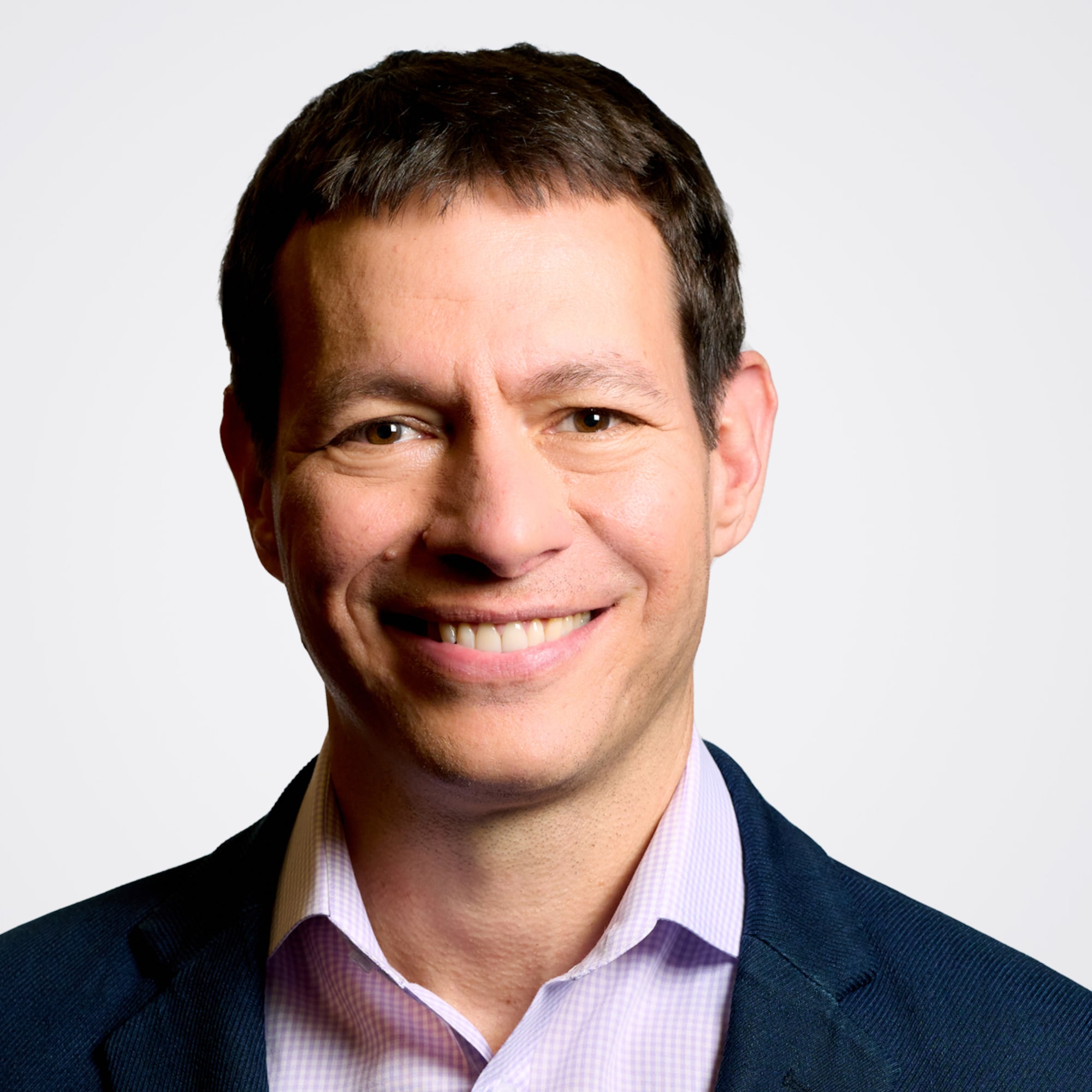
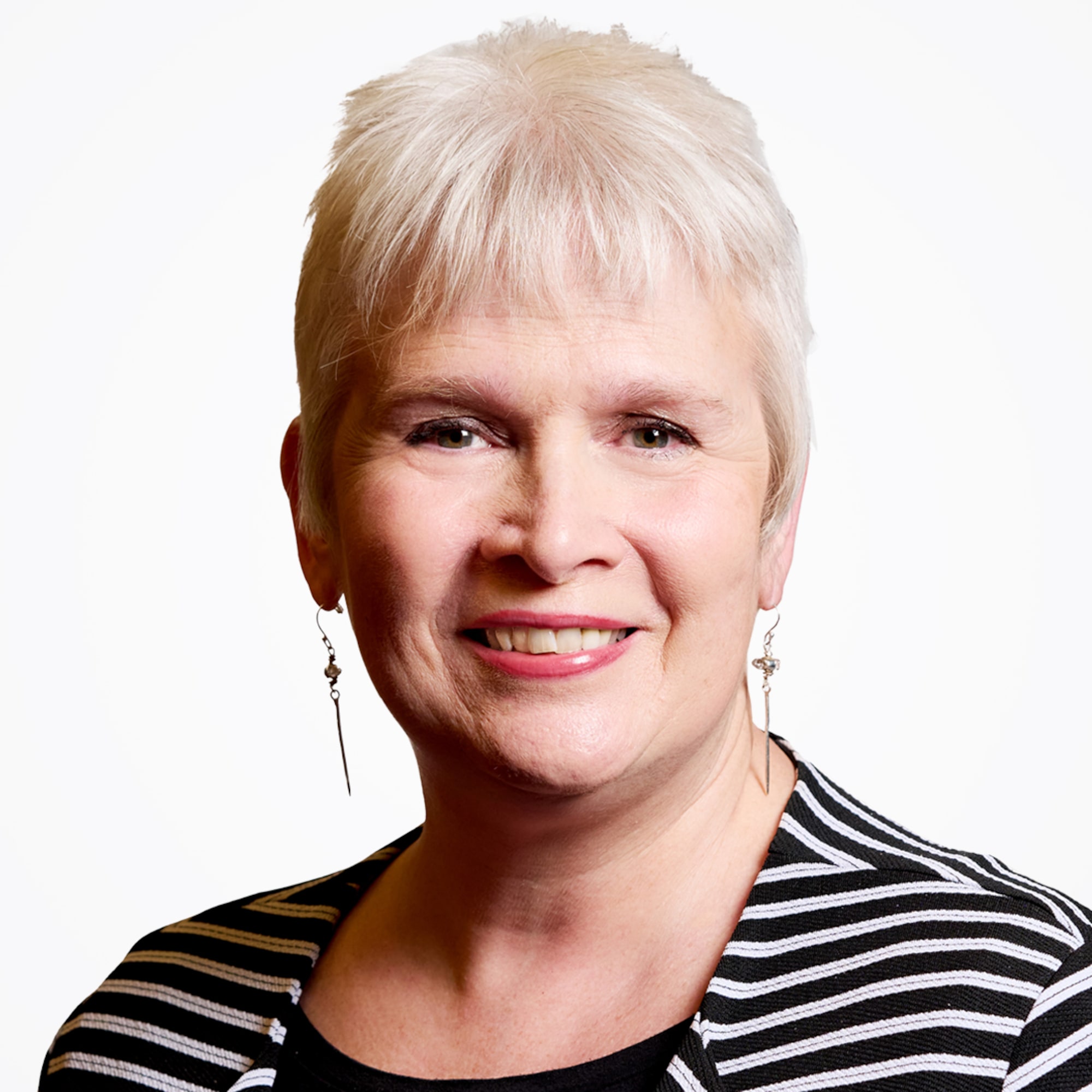
Susan Dziubinski: Hi. I’m Susan Dziubinski, co-host of The Morning Filter podcast. On a recent episode, I sat down with columnist and Morningstar Indexes strategist Dan Lefkovitz to talk about dividend stock investing. Here’s an excerpt from our conversation in late 2025.
Now, you say here in the US—I’m talking about another column you wrote this year about dividends—that we’re in the middle of what you’re calling a “stock buyback boom.” And you say that that is something that dividend investors should be aware of and that it might be actually to their detriment. So first, define what you mean by a boom here, Dan.
Why Companies Do Stock Buybacks
Dan Lefkovitz: It’s really been going on for a couple of decades. But 2025 is going to be the fifth straight year in which more money is being spent on share repurchases by companies than dividends. About a trillion dollars this year in buybacks and about $750 billion in dividend payments. And it’s happening for a lot of reasons. You know, there are tax advantages, of course, to the share repurchase. Dividends are taxed if you’re holding them in a taxable account. Whereas if a company repurchases its shares, as long as you don’t sell those shares, if you’re a holder, your fractional ownership of the company increases.
There’s an old expression that buybacks are like dating, dividends are like marriage. And I think that that is apt. The dividend commitment is really considered sacrosanct by many in the US market, especially if you commit to a quarterly payout to shareholders, the market expects that. And if you withdraw it or you reduce it, the market punishes you. So buybacks can be more opportunistic when the company has cash on hand or really preferably when the shares are undervalued.
Dziubinski: Right, right. As opposed to when they look expensive and you’re buying them back. So the main reason then, why is the main reason you think that companies are doing more buybacks than dividends—simply because they don’t want the commitment? Or is there some advantage to the company to doing it?
Lefkovitz: I think the flexibility. I think another part of it is that technology companies just seem to prefer buybacks. I think dividends have a little bit of a stigma. It’s just the culture of Silicon Valley. Dividends are kind of considered old economy. They’re considered something that you do when you don’t have something better to do with the cash, reinvestment, R&D, that sort of thing. So I think there’s multiple factors.
The Hidden Cost of Buybacks on Dividend Stock Investors
Dziubinski: OK. So then let’s talk a little bit about what this buyback boon then means for dividend investors. Those people who do want the—they want the cash in hand, Dan. They don’t necessarily want their share buybacks. What does it mean for them?
Lefkovitz: Yeah. It’s just lower yields. So if you go back to last century, historically, the yield on the US equity market was between 3% and 6%. Now it’s 1.1%. That’s come down. That’s even low by the standards of the past 25 years. But the dividend yield has just generally been much lower over the past 25 years than it used to be. So it’s harder to get equity income from U.S. stocks than it once was.
Dziubinski: Let’s go back to international dividend stocks. Then you said in your column that this buyback boom has been largely a US phenomenon. Why hasn’t it been more prevalent internationally?
Lefkovitz: Dividend, sorry, buybacks are less popular overseas than they are in the US. Part of it is that I mentioned, the dividend commitment, like marriage, if you reduce, you eliminate, you suspend your dividend payment, it tends to get punished in the US. That’s less the case overseas. Dividends in many markets can be paid out more opportunistically. The tax advantage that I mentioned isn’t as big, especially in Europe. We just haven’t seen buybacks take hold overseas the way they have in the US.
Dziubinski: You did suggest in your column that US investors could look to international markets for getting some dividend pickup if they’re looking for it but there are tax implications to be aware of.
Lefkovitz: Yeah, just to put some numbers on it, if you look at our index of international stocks, the Morningstar Global Markets ex-US Index, the dividend yield exceeds 3%. In the US, it’s 1.1% again. So there are some really nice yields to be had if you are willing to consider international stocks. But yes, there are tax implications. It is possible to get double taxed on the dividends depending on the company and depending on the market. So it’s important. It’s something to look into.
The author or authors do not own shares in any securities mentioned in this article. Find out about Morningstar’s editorial policies.
Morningstar, Inc., licenses indexes to financial institutions as the tracking indexes for investable products, such as exchange-traded funds, sponsored by the financial institution. The license fee for such use is paid by the sponsoring financial institution based mainly on the total assets of the investable product. A list of ETFs that track a Morningstar index is available via the Capabilities section at indexes.morningstar.com. A list of other investable products linked to a Morningstar index is available upon request. Morningstar, Inc., does not market, sell, or make any representations regarding the advisability of investing in any investable product that tracks a Morningstar index.

 United States