
China’s Bold Response to US ‘Reciprocal Tariffs’ Unlikely to Be the Last Salvo in Trade War
There are no winners here; higher prices and lower incomes are likely on the way.

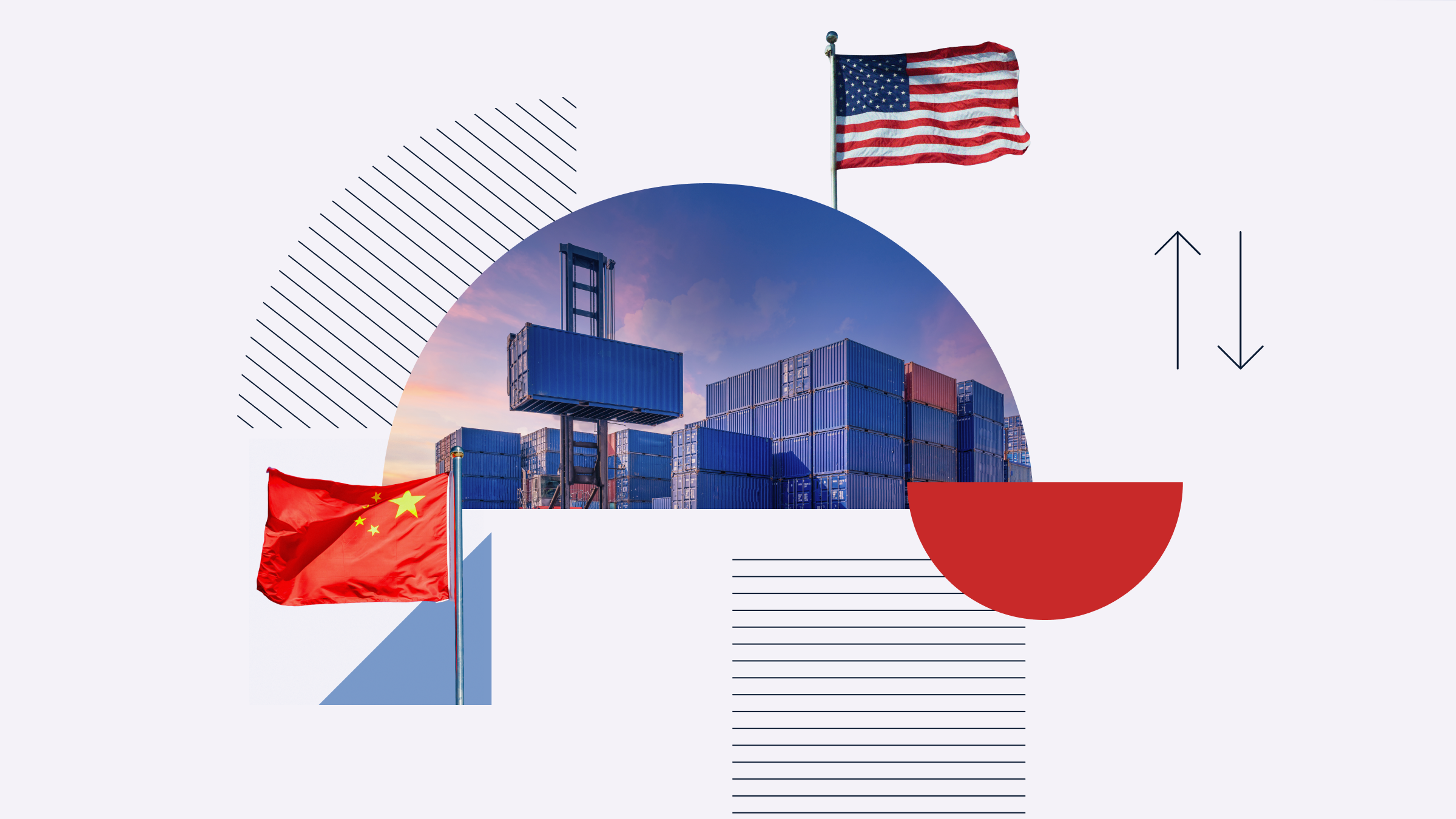
China’s response to President Donald Trump’s so-called “reciprocal tariffs” is a bold move that’s further escalated trade tensions between the world’s two largest economies. Going tit for tat, China has slapped an additional 34% import duty on US products entering the country, matching the tariffs Trump announced for the country on April 3. The tariffs add to the 10%-15% import duties already imposed on a range of US goods earlier this year.
There are no winners in a trade war. Trade barriers only distort market signals which otherwise tend to guide the allocation of an economy’s resources to their most productive use. This means both Americans and Chinese should expect higher prices and lower incomes if tariffs remain in place for the long term. Indeed, the first phase of the US-China trade conflict of 2018-19 offers a recent reminder of this, with multiple empirical studies confirming that it led to both US and Chinese consumers of imported goods paying higher prices. Aggregate real income in both countries also declined.
Notwithstanding this, China’s defiant posture is unsurprising. In the parlance of game theory, trade wars resemble a classic prisoner’s dilemma. Cooperation in trade policy offers long-term economic benefit to both sides. However, once that dynamic breaks down, an iterative heightening of trade barriers tends to ensue, with both sides seeing little benefit in shifting back to cooperation. For this reason, it’s unlikely that China’s reaction is the last salvo in this dispute.
Escalating trade tensions only add to China’s woes, which range from an ongoing real estate downturn to deflation to broader structural challenges that continue to restrain consumers. Beyond the direct impact the new tariffs are likely to have on trade, the significant increase in uncertainty—evidenced by the sharp moves in equity markets and rising credit spreads in recent days—represents a key second-order risk to business investment and economic growth in the near term. The challenge of achieving Beijing’s 2025 growth target of 5% has materially increased.
The author or authors do not own shares in any securities mentioned in this article. Find out about Morningstar’s editorial policies.

 United States