
5 Financial To-Dos Before the End of 2024
Check off these tasks now and you’ll start 2025 on the right financial foot.
Key Takeaways
- The first financial to-do is rebalancing. Most investors are likely due or maybe even overdue to rebalance.
- Taking required minimum distributions is a good opportunity to rebalance and do a little bit of portfolio cleanup.
- People who are still working and saving for retirement have until Dec. 31 to fully fund their company’s retirement plan.
- Now is a good time to evaluate your insurance coverage and insurance needs for 2025.
- There are opportunities for charitably inclined people to tie their portfolios to giving.
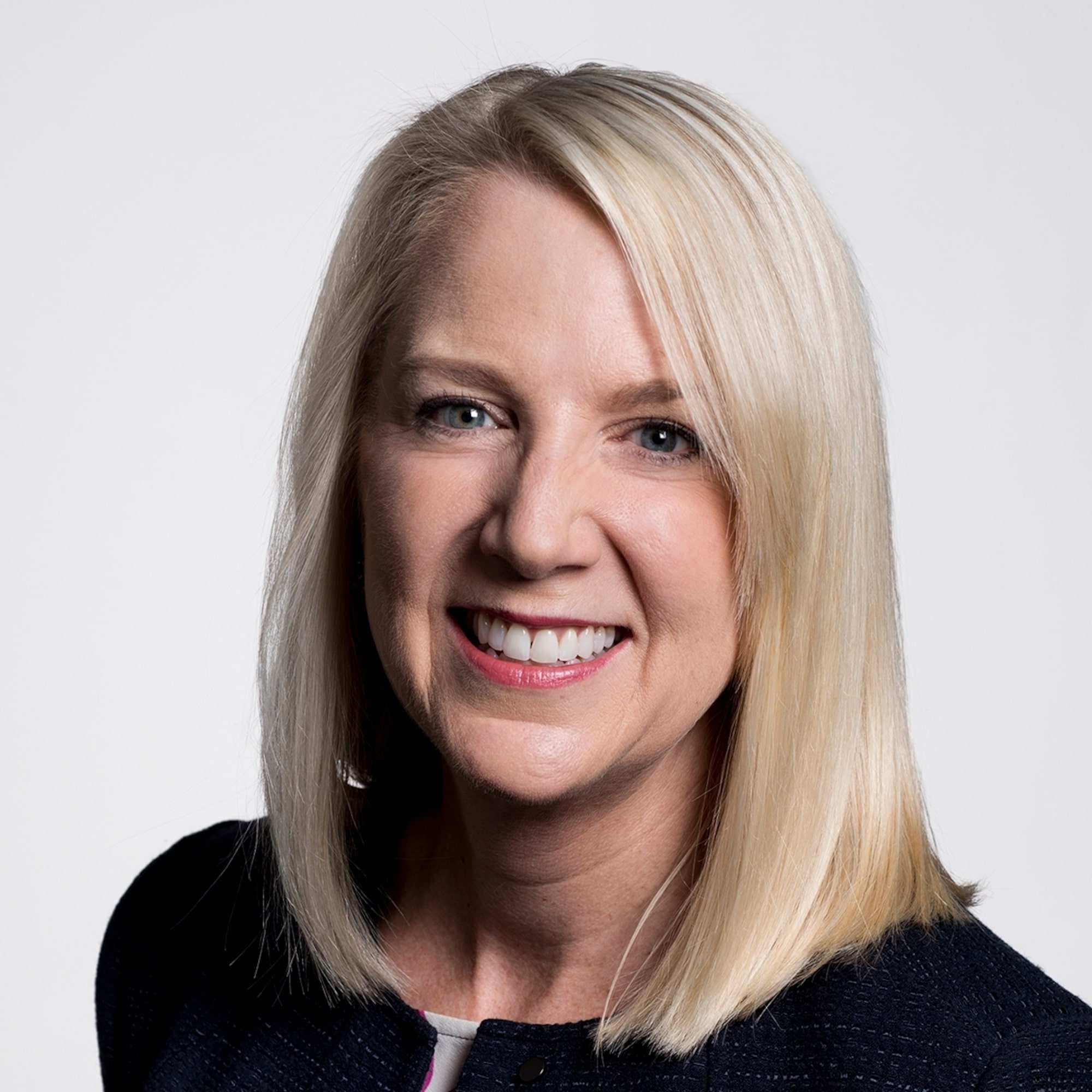
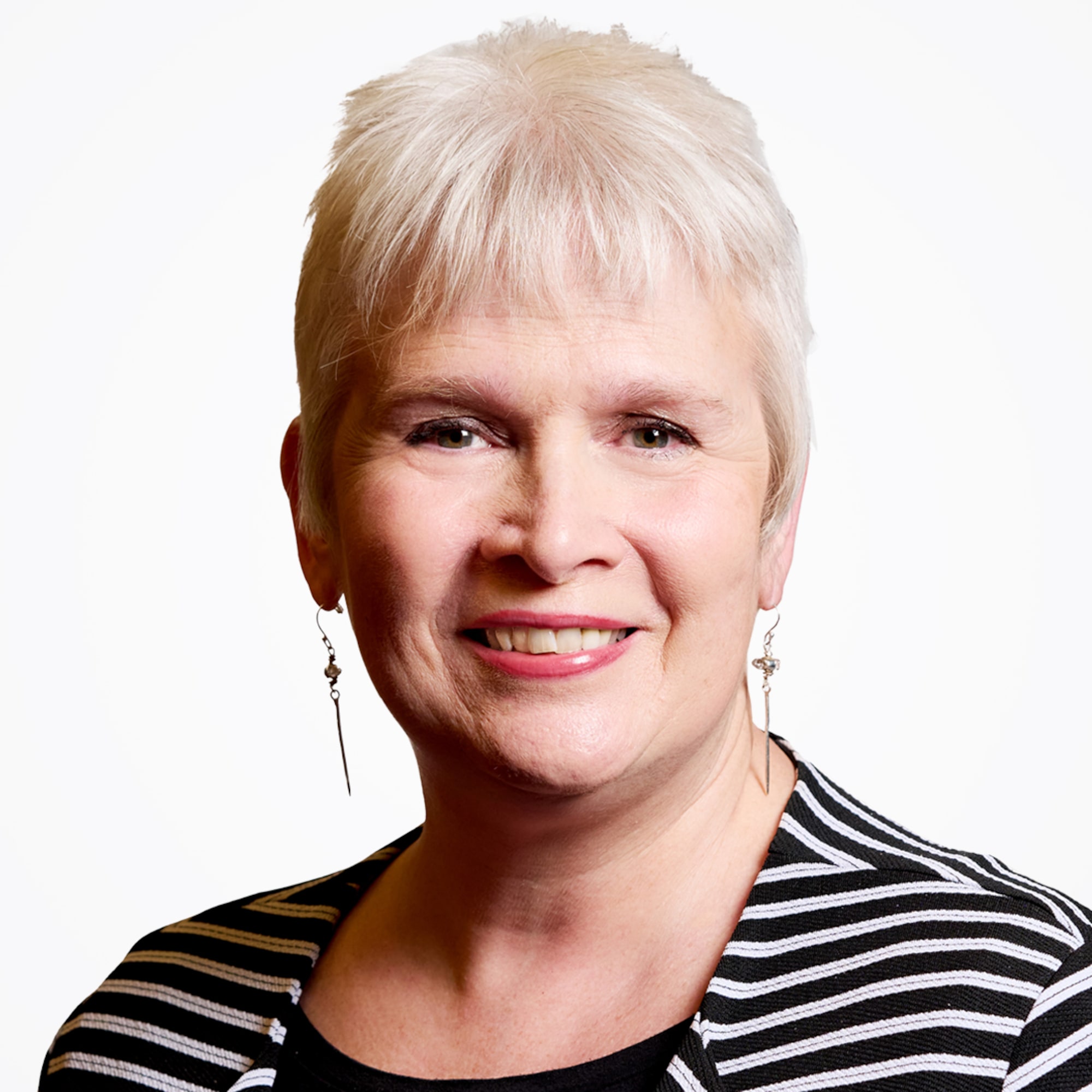
Susan Dziubinski: Hi, I’m Susan Dziubinski with Morningstar. We’re coming into the home stretch for 2024, and Morningstar’s Christine Benz is here with me today to discuss some money steps to take to finish the year strong—at least from a financial standpoint. Christine is Morningstar’s director of personal finance and retirement planning, host of The Long View podcast, and author of the bestselling book How to Retire: 20 Lessons for a Happy, Successful, and Wealthy Retirement. I’ve read Christine’s new book, and it’d make a great holiday gift. Nice to see you, Christine.
Christine Benz: Good to see you too, Susan. Thanks for the sales pitch.
Benefits of Rebalancing Your Portfolio
Dziubinski: Absolutely. Let’s talk about some financial to-dos before year-end. Your first one is related to portfolio management, and you think most investors are likely due or maybe even overdue to rebalance. Let’s talk about that and the benefits of rebalancing.
Benz: Right. The main benefit of rebalancing is to take risk out of your portfolio. The basic exercise here is that you want to find your targets for your asset allocation and compare that to how your portfolio is currently positioned and potentially take some assets away from the areas that are overweight relative to those targets and put them toward the asset classes that are underweight. So, for people going through this exercise today, chances are they are overweight in US stocks, which have outperformed most other major asset classes, especially large-cap US growth stocks. That would be kind of the main pocket of the style box that you’d want to concentrate on. If you’re looking to take risk out of your portfolio, you would pull back on those assets. What you do with them from there kind of depends on the composition of your portfolio. For many older adults who are getting close to or in retirement, they probably are underweight safer assets—fixed income and cash. They may want to steer assets to those categories. For younger investors, they probably want to maintain equity-heavy portfolios. And so their rebalancing proceeds would probably stay in equities but go to other parts of the market. Non-US stocks haven’t performed nearly as well as US, and smaller-cap and value stocks haven’t performed as well, either. So, they could do some repositioning within their equity exposure.
And then one thing we don’t hear a lot about, Susan, is if you have near- or intermediate-term goals and you have appreciated portions of your portfolio, yes, if you’re pulling from a taxable brokerage account, you’ll incur capital gains to sell appreciated securities. But it’s not a bad time to think about liquefying some of those positions that have done really well for you, using them to meet those near- and intermediate-term spending goals.
Don’t Forget to Take Your RMDs
Dziubinski: Your next to do is for retirees, specifically those who are over age 73. They need to take their required minimum distributions for this year, if they haven’t done so already, from their tax-deferred accounts. You think there’s actually a good opportunity to sort of tie in taking your RMDs along with a rebalancing activity. Talk a little bit about that.
Benz: Right. I like that idea of tying in rebalancing and required-minimum-distribution taking. If you are taking your distributions for 2024, look at your portfolio and pull from the assets where it would be most opportune to do so. So, getting back to my previous point, US stocks, maybe especially large-cap growth stocks would probably be a really nice source for required minimum distributions for people who haven’t yet taken them for 2024. You can tip the money into your cash accounts and use those for the year ahead. I think it’s kind of a win-win. You can refill that cash bucket. I think there’s also an opportunity here for people who are taking required minimum distributions to do a little bit of portfolio cleanup. Maybe you have holdings that you don’t love that you’d like to cut anyway for fundamental reasons. Those are great sources of required minimum distributions, in my opinion.
Fully Fund Your Company’s Retirement Plan Before Year-End
Dziubinski: You also have to-dos for people who are still in that accumulation phase and working and saving for retirement. They’re not off the hook. What’s a to-do for them?
Benz: Well you have until Dec. 31 to fully fund your company retirement plan. So, hop on to your platform for your 401(k) or whatever you have for your company retirement plan. See how you’re doing with respect to those contribution limits for 2024. I think they’re at $23,000 for people under age 50 and $30,500 for people who are age 50 and above. See how you’re doing with those contribution limits. If you’re a super saver and your company plan offers the opportunity to make aftertax 401(k) contributions, that can be a great opportunity to save even more in that 401(k). But in contrast with that IRA funding deadline, which is the tax filing deadline for 2024, with your company retirement plan you’ve got to make those contributions by year-end. So, take advantage of maybe these last couple of paychecks for 2024 to save a little bit extra if you have the room in your budget.
Check on Your Insurance Coverage and Insurance Needs for 2025
Dziubinski: Your to-dos aren’t all about portfolio management, necessarily. You also think that now is a good time to sort of evaluate your insurance coverage and your insurance needs. Talk a little bit about that.
Benz: Tying in with open enrollment season if you’re covered by an employer-provided healthcare plan. This is typically your season to shop around for healthcare plans. It depends on what your employer is offering; you may not have any choice. But many employers do offer a choice between a PPO and a high-deductible healthcare plan. That’s a common configuration. So revisit that. See what incentives your company might be offering to have you opt for one type of plan or another. If you’re someone who’s covered by Medicare, this is the time when you would take advantage of open enrollment, which runs until Dec. 7. And there you are revisiting your prescription drug coverage, your Part D coverage. See if the drugs that you’re taking have changed or if what is covered by the plan you’re under has changed, revisit that. And this is also an opportunity for people who have chosen Medicare Advantage to potentially opt into original Medicare or vice versa. And so you could revisit those coverages as well.
And then ideally you would also look at your whole gamut of insurance coverage. If you have disability insurance through your employer, this is typically the time when you make your selection for your 2025 coverage. Disability coverage is terrific coverage to carry. Look at the life insurance that might be on offer through your employer. It may or may not be a good deal, but at least shop it around. And then revisit your property and casualty insurance as well. We’ve seen some really steep increases, especially in the homeowner space. It depends, of course, on when your policy comes up. But do that due diligence, don’t just stick with the same insurance company. Shop it around a little bit because we are seeing the need to really do your homework there because this is getting to be a significant cost for many homeowners to bear.
How Charitable Giving Plays a Role in Tax Planning and Portfolio Risk
Dziubinski: And then your final to do for 2024 relates to giving. You think there are opportunities for people to tie their portfolios and perhaps even take some risk out of them and relate that to giving. So talk about that.
Benz: We’ve had just a great stock market environment. For people who are charitably inclined, I think it makes a lot of sense to get their portfolios in on the act. People who are over age 70½ can take advantage of a fantastic provision called the qualified charitable distribution, or QCD, where you are steering a portion of your IRA to the charity or charities of your choice. If you’re a very large charitable giver, you now have a little bit of an increase in how much you can give in terms of the QCD. It’s now up to $105,000 in terms of how much you can put into charitable contributions via the QCD. And the nice thing is that any money that you give via this mechanism will not owe ordinary income tax and will not be taxable to the charity. So, it’s a really nice provision. If you’re not age 70½, it’s a little harder to take advantage of tax breaks on charitable contributions.
Most people are not itemizing their deductions today. And so one thing you can consider, and maybe get some tax advice on this, is whether you can what’s called bunch your charitable contributions, make big charitable contributions in a given year, maybe a few years. And the idea is that you can push yourself over that threshold for itemized deductions and you can potentially get a donor-advised fund in on the act. Say you have appreciated securities in your portfolio. You can take those out of that taxable portfolio, donate them to the donor-advised fund so you get a tax break, tax deduction on that contribution, and you get those appreciated assets out of your portfolio where they may be adding risk. The classic case is if you have a lot of employer stock sitting in a taxable account that you’ve received through incentives, it may be a larger share of your portfolio than you’d want it to be, it probably is. And so that’s a really nice opportunity to reduce that exposure, send the money to the donor-advised fund, get the tax break, and take that risk out of your portfolio at the same time.
Dziubinski: Christine, thanks for your time today and for giving us some to-dos before the year wraps up. We appreciate it.
Benz: Thank you so much, Susan.
Dziubinski: I’m Susan Dziubinski with Morningstar. Thanks for tuning in.
Watch 5 Ways Retirees Can Sustain a Rich Retirement for more from Christine Benz.
The author or authors do not own shares in any securities mentioned in this article. Find out about Morningstar’s editorial policies.

 United States