
Your Retirement Savings Could Be Vulnerable to Scams. Here’s How to Protect Yourself
The author of ‘The Forever Paycheck’ explains why cognitive decline can appear in financial behavior and how families and financial advisors can help stop fraud, including romance scams.
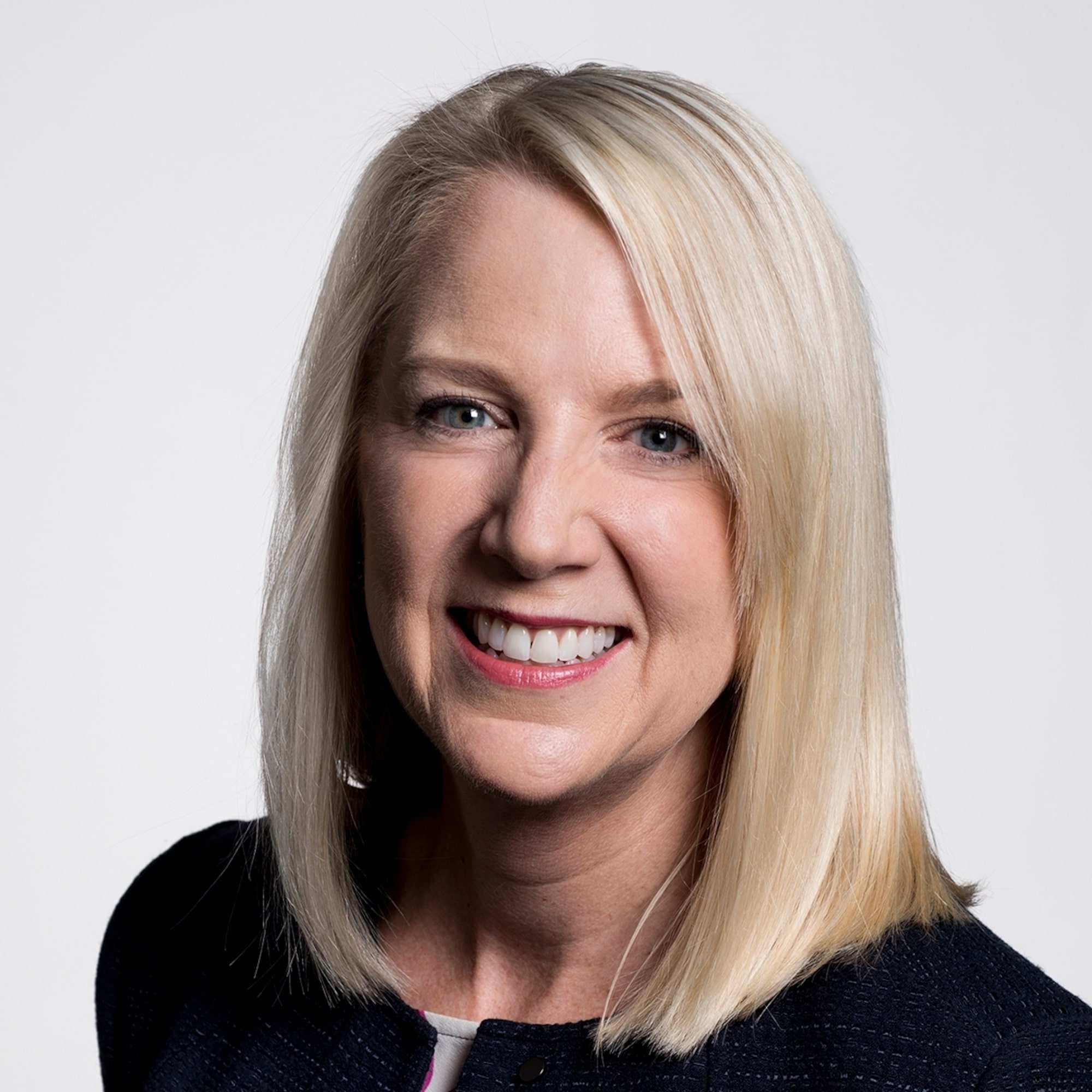
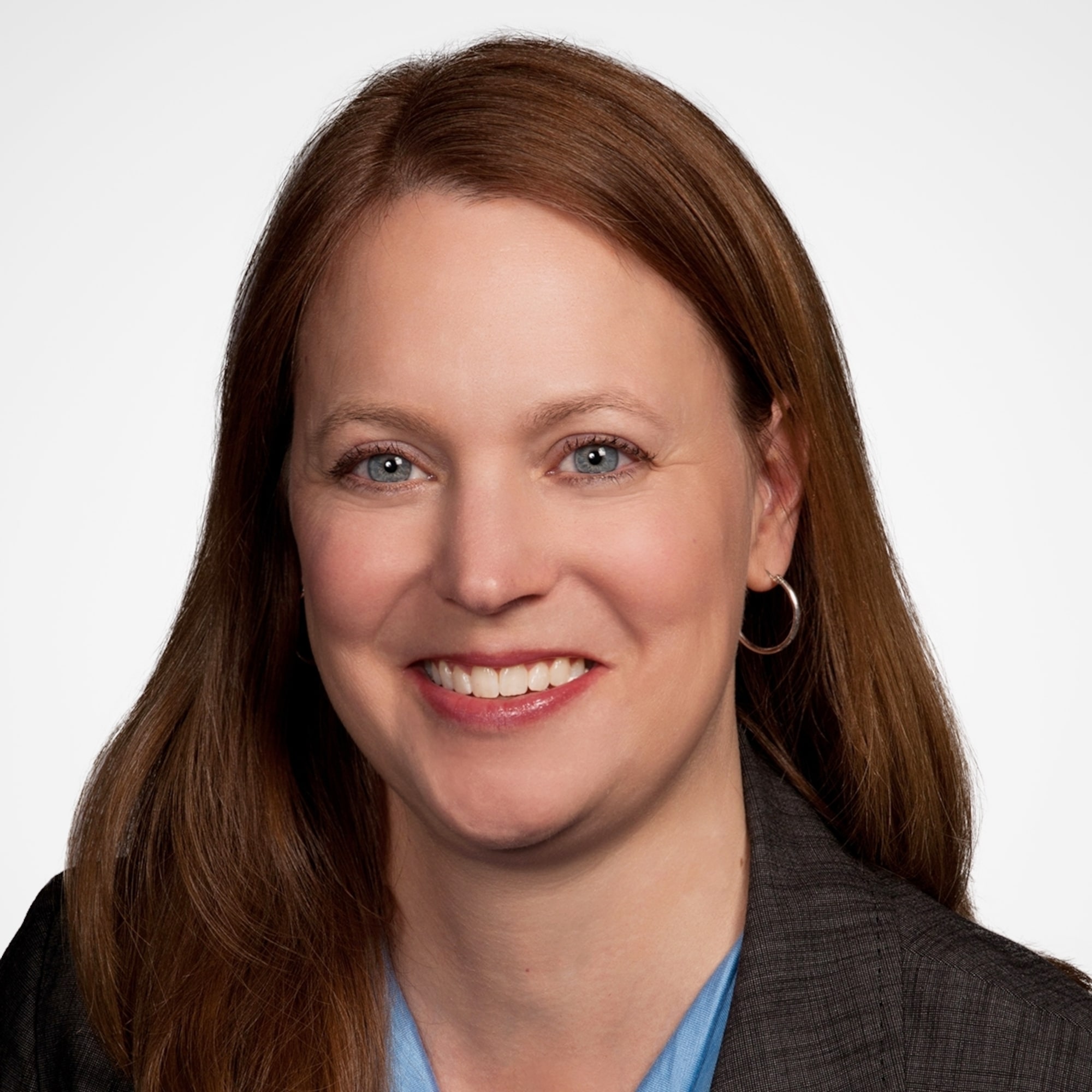

On this episode of The Long View, our guest was Jean Chatzky, the author of The Forever Paycheck: The New Retirement Strategy to Spend More, Worry Less, and Never Run Out of Money. We talked about how to create that “forever paycheck” for retirement, retirees’ fear of spending, and why she had a change of heart on annuities.
Here are a few excerpts from our conversation with Jean, the CEO of HerMoney.com and host of the podcast Her Money with Jean Chatzky.
Why Cognitive Decline Is a Financial Issue
Christine Benz: Jean, I wanted to ask you about something that I’ve been thinking a lot about lately, which is the risks of scams, fraud, and cognitive decline that we all might run into as we age, especially. I’m wondering if you can talk about, as you think about those things, what are kind of best practices for people who want to help safeguard themselves and their money against some of those risks?
Jean Chatzky: I’ve seen these studies as well, and it’s very, very frightening both that cognitive decline shows up in our financial lives often, and also well before we get a diagnosis of being in cognitive decline. It’s often as much as five to 10 years before the diagnosis hits. This is where I think family and financial advisors become really important. There comes a point in your life where you have to say to your kids or to an advisor, “I know I’m getting older. This is an issue. It’s an issue that I’ve read about. It’s an issue that other people are experiencing. If you start to see any behaviors in me or in my life that worry you, you should say something.” You can say it to me, or you can say it to the advisor, but I think it’s up to us to sort of open the door for the fact that we know that these are issues and we want the help if someone suspects that it’s an issue in our life.
Financial institutions are also now on the lookout for this. The thing to do is to name a trusted person on your accounts so that if your financial institutions start to suspect that there’s a problem, they have somebody besides you that they can call.
How to Safeguard Family Members From Romance Scams
Amy Arnott: Another kind of scam that we often hear about with older adults ... is romance scams where people meet someone online and get emotionally involved without realizing the other person is looking for money, basically. Is there a way family members can look out for that, but without being overly controlling of an older relative’s relationships?
Chatzky: Oh boy, it is really difficult. The proliferation of romance scams shows just how difficult it is because quite often the older adults do not want to hear it. This is somebody who is paying a lot of attention to them in a way that they have not been paid attention to in quite some time; the attention feels validating. It makes them feel good and young and important. I think you tread carefully, but you don’t keep your mouth shut. Sometimes it helps if the advice, in this case, is not coming from a child, but is coming from an advisor. This is one of those cases where I think that the adult child who is worried brings the financial advisor into the conversation to try to help shut the fraud down before it gets bad or worse.
Valentina Djeljosevic contributed to this article.
The author or authors do not own shares in any securities mentioned in this article. Find out about Morningstar’s editorial policies.

 United States