
Defense Stock Rally an ‘Exaggerated Reaction’ to Iran Strikes
Our fair value estimates are unchanged; the supply of defense technology is already baked into forecasts.


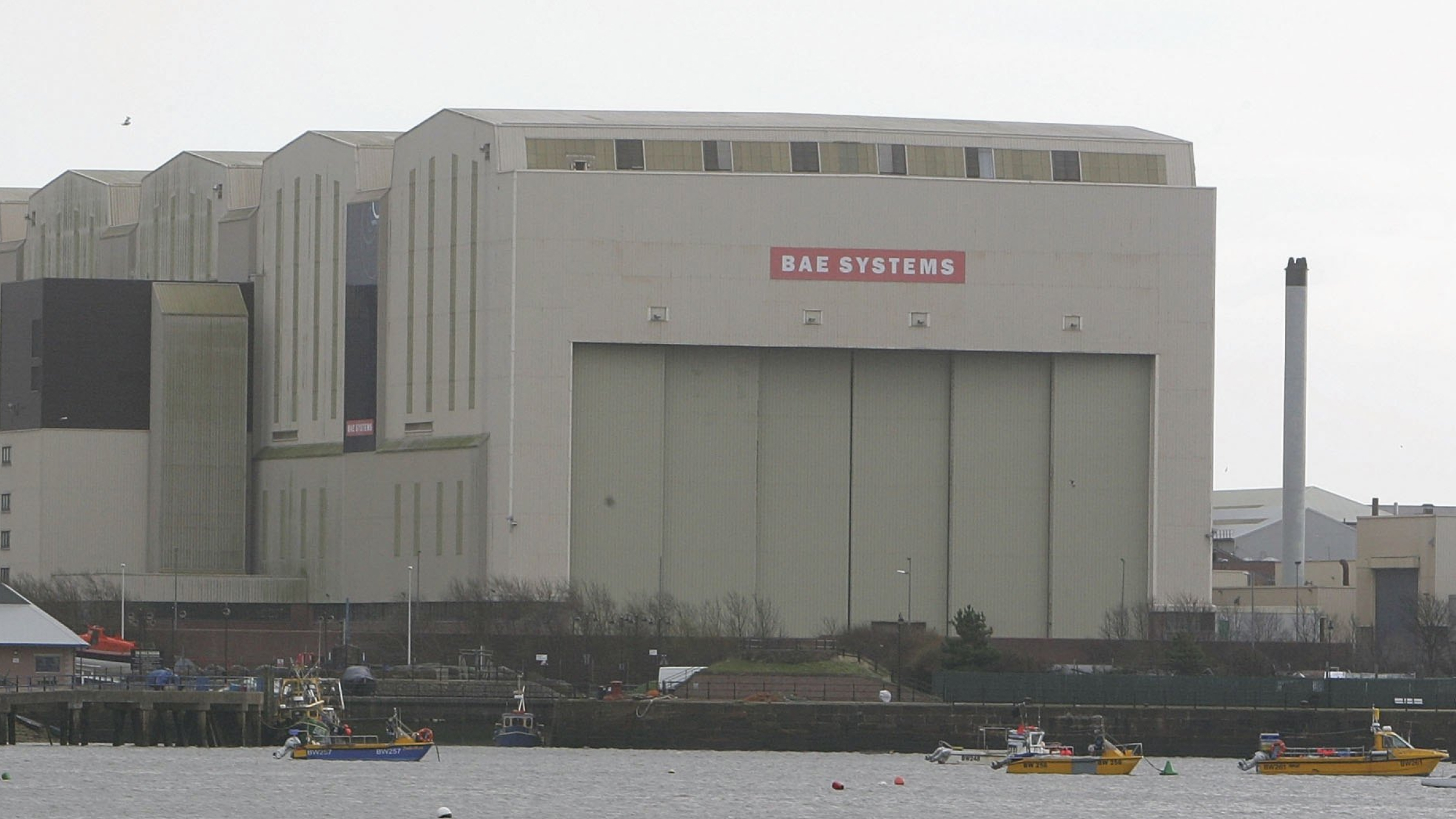
On June 13, Israel launched a series of strikes against Iranian facilities and personnel, targeting its nuclear enrichment and armament programs. Shares of global defense contractors appreciated as much as 4% in early trading in reaction to the news.
The bottom line: We view the rally in defense stocks as an exaggerated reaction to news of renewed conflict in the Middle East. As we have pointed out before, the dots between military combat and the profit of a defense contractor do not connect nearly as directly as investors seem to imagine.
- We have not altered our valuations of defense contractors in light of this news, and we believe the long-term development and resupply of missile defense technology are already baked sufficiently into our forecasts.
Big picture: Armed conflict does not necessarily benefit defense contractors fundamentally, especially if the conflict is prolonged and expensive.
- In the short term, munition resupply orders can add to sales, though these are not usually big relative to total revenue.
- However, a drawn-out conflict could sap military budgets and divert funds to operations and logistics from research, development, and procurement, where defense contractors make the bulk of their money.
Bulls say: Other than as a tactical rotation to a sector generally insulated from macro shocks, such as the oil price spike that also accompanied the Israel-Iran news, we hear two narratives to justify snapping up defense contractors. Neither holds much fundamental water, in our view.
- First, the idea that combat fuels more purchases of weapons made by a given firm and makes that company’s stock worth more ignores how long in advance militaries procure weapons, which is subject to strategic and political constraints.
- Second, there’s the view that increased geopolitical instability broadly stimulates defense budgets, and thus defense contractor revenue is more logical. Still, we don’t see incremental upside to global defense spending from the super cycle we already forecast.
The author or authors do not own shares in any securities mentioned in this article. Find out about Morningstar’s editorial policies.

 United States