
Our Best Investment Portfolio Examples for Savers and Retirees
This collection of Morningstar model portfolios from Christine Benz can help investors build portfolios to reach their financial goals.
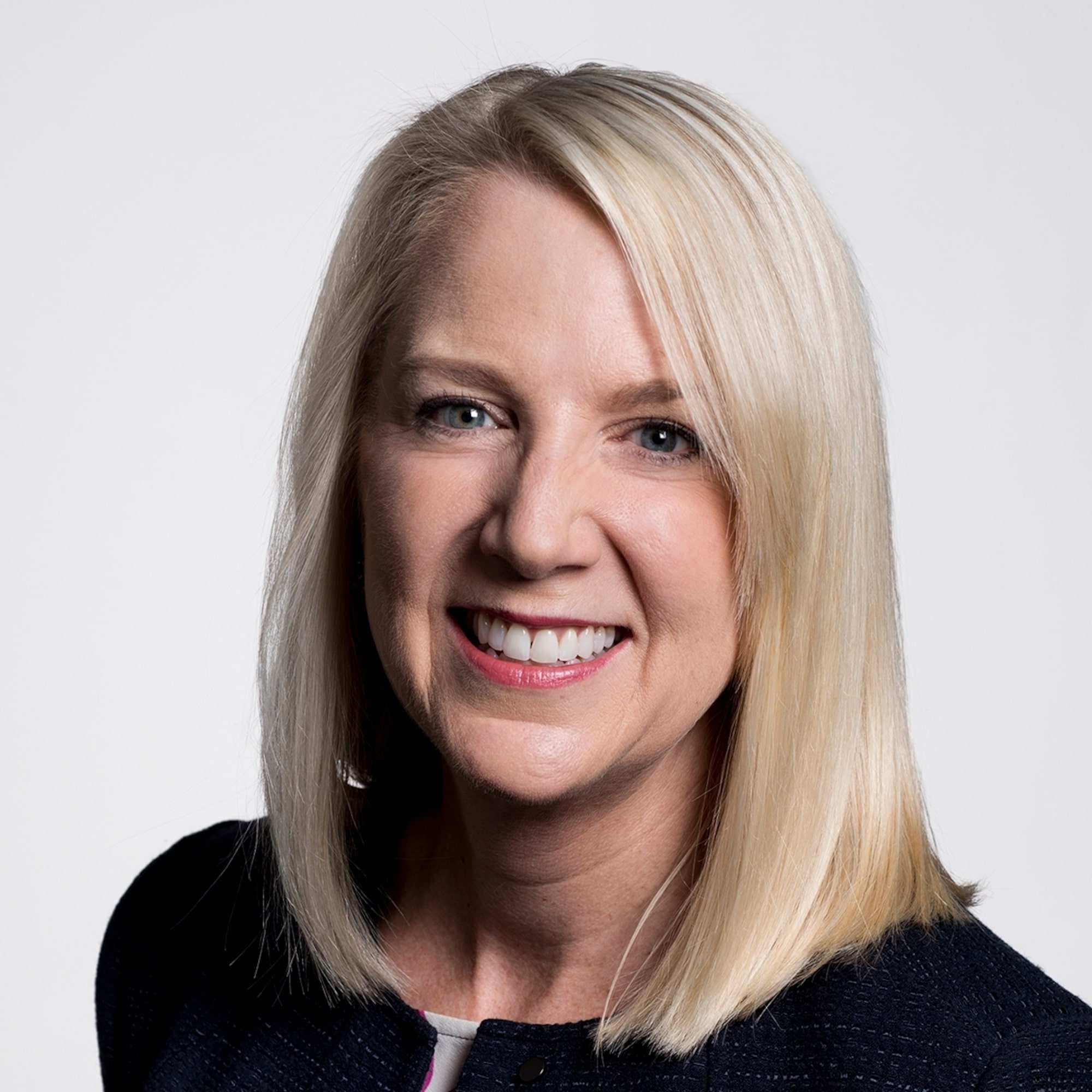


Whether you’re retired or saving for retirement, Morningstar’s Director of Personal Finance and Retirement Planning Christine Benz has a collection of investment portfolio examples to show you how to build a portfolio that matches your financial goals.
These Morningstar model portfolios include funds that are well-regarded by our analyst team. You can use them as starting points for choosing an asset allocation and investments that reflect your goals, time horizon, risk tolerance, risk capacity, and expected portfolio withdrawals if you’re retired.
How to Find the Right Model Portfolio for You
Start with these three questions to guide you to the right section. From there, you can choose tax-sheltered or taxable; provider-specific or provider-agnostic; plus minimalist and environmental, social, and governance-focused in some cases.
An Introduction to Christine Benz’s Model Portfolios
Model Portfolios for Retirees
The retiree portfolios use a Bucket structure that’s anchored on the premise that assets retirees need to pay for living expenses now ought to remain in cash. Assets that won’t be needed for several years can sit in a diversified pool of long-term holdings, with the cash buffer helping investors ride out periodic downturns in the long-term portfolio. The collection includes separate portfolios for tax-sheltered and taxable accounts.
Tax-Sheltered Retirement Accounts
These model portfolios for retirees are designed to be held in tax-sheltered accounts like IRAs or 401(k)s, where investors can hold less tax-efficient investments without owing annual taxes on dividends and capital gains distributions.
Open to investments from multiple providers
Prefer a particular provider
Want to keep the portfolio simple
Want ESG portfolios
Tax-Efficient Retiree Portfolios for Taxable Accounts
These model portfolios are designed for retirement assets held outside IRAs and 401(k)s: in taxable accounts where investors may pay taxes on dividends and capital gains distributions from their holdings.
Open to investments from multiple providers
Prefer a particular provider
Want to keep the portfolio simple
Model Portfolios for Investors Saving for Retirement
This series of investment portfolio examples is geared toward still-working people who are building up their retirement nest eggs. The collection includes separate portfolios for tax-sheltered and taxable accounts.
Tax-Sheltered Retirement Accounts
These model portfolios for savers are designed for tax-sheltered accounts, so investors can focus on building their retirement nest eggs without incurring current taxes on dividends and capital gains.
Open to investments from multiple providers
Prefer a particular provider
Want to keep the portfolio simple
Want ESG portfolios
Tax-Efficient Portfolios for Taxable Accounts
These model portfolios are designed for retirement savers who hold assets outside IRAs and 401(k)s: in taxable accounts where investors may pay taxes on dividends and capital gains distributions from their holdings.
Open to investments from multiple providers
Prefer a particular provider
Want to keep the portfolio simple
Model Portfolios for Investors With Short- and Intermediate-Term Goals
These portfolios are for financial goals that are closer than retirement, such as a home down payment, wedding, or remodeling project. The short-term portfolios are geared toward investors with a time horizon to spending of two to six years. For the intermediate-term portfolios, the time horizon is between six and 10 years. Each article features portfolios for tax-sheltered and taxable accounts.
Open to investments from multiple providers
Prefer Vanguard
How Have Christine Benz’s Model Portfolios Performed?
Christine Benz evaluates the performance of a core group of her model investment portfolios every year. She compares the portfolios’ performance with a blended benchmark of basic index funds that matches the portfolios’ asset-allocation exposure. The goal is to see whether security selection has added or subtracted value, an exercise you can conduct with your own portfolio.
Christine’s FAQs on Investment Portfolios
I Just Retired, Where Do I Start?
I recommend a retirement Bucket portfolio if you’re just starting out. First, figure out your anticipated income needs for a given year, then subtract certain sources of income like Social Security and a pension. What’s left over is the amount of cash flow that the portfolio will need to supply each year in retirement.
Then fill your three Buckets like this:
- Bucket 1: Six months to two years of living expenses—not covered by Social Security—housed in cash instruments.
- Bucket 2: Another eight to 10 years of living expenses housed in bonds.
- Bucket 3: The remainder of the portfolio, invested in stocks and a high-risk bond fund.
Why Do I Need to Maintain Cash Reserves in My Retirement Portfolio?
For retirees, cash reserves are a built-in stabilizer for turbulent times that can give you peace of mind. You can draw on them when yields are insufficient to meet living expenses, and it’s not a good time to disturb stocks or bonds. A retiree with adequate cash holdings is unlikely to be overly rattled during periods of short-term market turbulence because near-term spending will be relatively unaffected, and the rest of the investment portfolio can recover when the market eventually does.
How Can a Bucket Strategy Help Meet My Income Needs in Retirement?
If you’re using the Bucket strategy, you should evaluate your portfolio’s performance at the end of each year to determine where to go for cash for the year ahead. In years when stocks have performed well, reducing the stock allocation back to its target can help meet cash flow needs. In years when stocks have lost value, but bonds have gained, income distributions from bonds, as well as selling appreciated bond holdings, can help meet living expenses. In years when both stocks and bonds perform poorly, you can pull cash flow needs from the cash holdings in Bucket 1.
What Should I Do When the Retirement Cash Reserves in Bucket 1 Run Low?
You can replenish that cash bucket using portfolio income (bond and cash interest, as well as dividends) and money raised by rebalancing investments in Buckets 2 and 3.
Why Is It Important for Retirees to Have Assets in Tax-Sheltered Accounts Like IRAs or 401(k)s?
Tax-sheltered accounts like traditional IRAs and 401(k)s allow investments to grow without being taxed along the way. Investors generally pay ordinary income taxes only when they make taxable withdrawals from those accounts. (Qualified Roth distributions are tax-free.) Contrast that with taxable accounts, where you might be taxed on dividends and realized capital gains.
Why Should Retirees Keep Their Investment Portfolios Tax-Efficient?
Keeping an investment portfolio tax-efficient is a particularly big issue for retirees who have substantial assets outside of tax-sheltered retirement accounts like IRAs and 401(k)s. That’s because bonds typically grow in importance in investors’ portfolios as retirement draws near, and income from taxable bonds is taxed at ordinary income tax rates versus the lower rates that may apply to capital gains and dividends. Moreover, long-run bond returns are apt to be lower in absolute terms than long-term stock returns, meaning that taxes can gobble up a bigger percentage of their payouts.
Should Savers Be Concerned About Time Horizon When Planning Their Portfolios?
Even though savers are relying on their salaries rather than their investment portfolios to meet their day-to-day cash needs, yes, they still need to consider their time horizon. Investors with many years until retirement can tilt their portfolios heavily toward stocks but also reasonably hold potentially more volatile assets, such as small-cap stocks and foreign stocks and bonds. With less concern for short-term volatility, savers can benefit from the extra diversification and potentially higher returns that these subasset classes can provide. As retirement approaches and an investor’s bond allocation grows, the bond component of the portfolio should also become more diversified, encompassing assets like short-term bonds and Treasury Inflation-Protected Securities.
How to Review Your Portfolio
These model portfolios depict sensible asset allocations for investors at various life stages, which can be helpful reference points as you build and benchmark your portfolio.
You should understand what you own before you make any changes to your portfolio, but that’s easier said than done if you don’t have the right tools. Having multiple investing accounts or owning funds that might have overlapping holdings can make it hard to know what you actually own. Morningstar Investor’s Portfolio tool lets you add your investments and instantly get an X-ray view into your portfolio. If your asset allocation has strayed away from your target, you can create duplicate copies of your portfolio and test the impact of buying or selling specific holdings.
The author or authors do not own shares in any securities mentioned in this article. Find out about Morningstar’s editorial policies.

 United States