
Retirement Planning for Parents Raising a Child With a Disability
How families can prepare for a child’s long-term financial needs while securing their own retirement.
Key Takeaways
- Protect your own retirement plan.
- Use Able accounts or special needs trusts.
- Avoid leaving assets directly to your child.
- Factor your child into Social Security decisions.
- Work with disability-planning specialists.
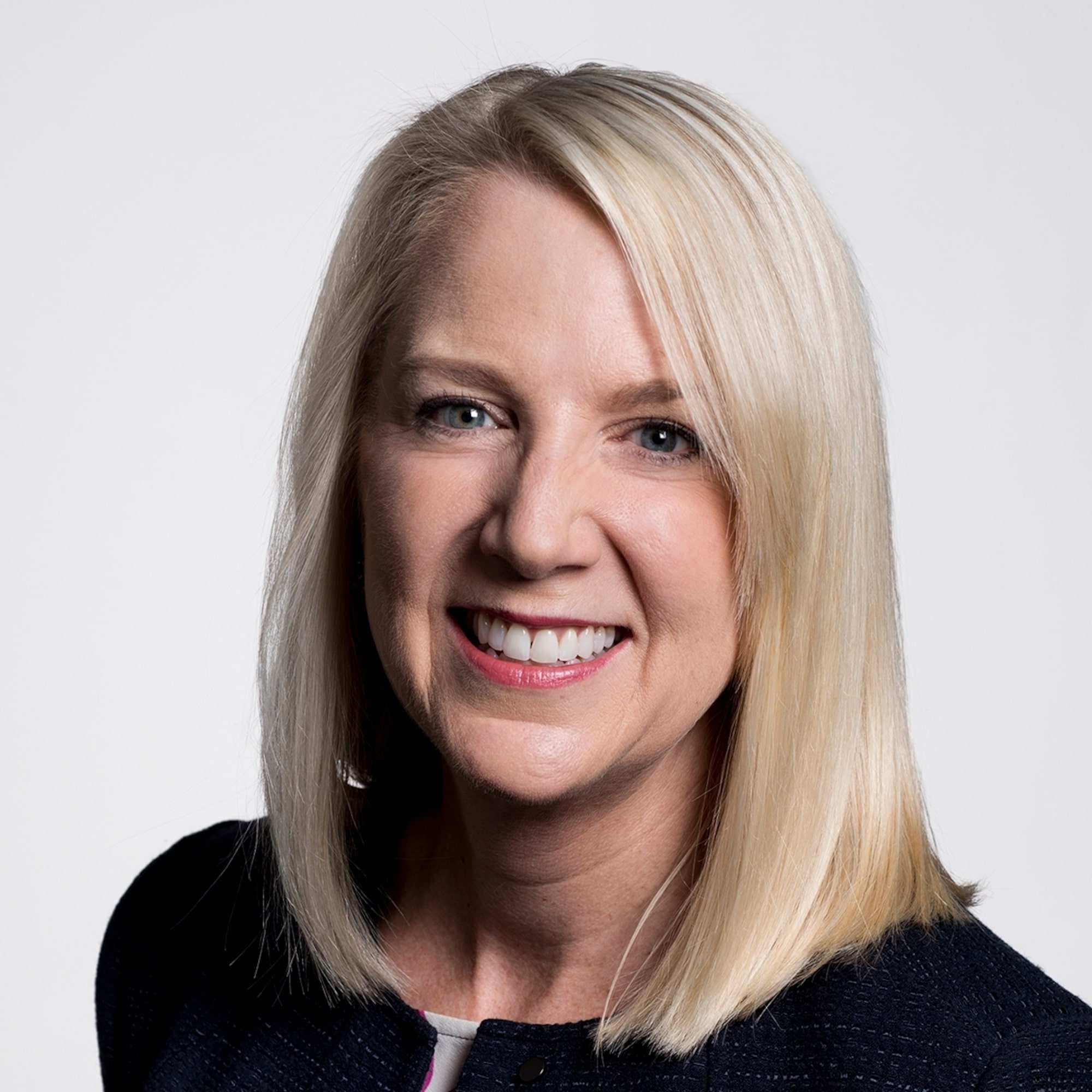
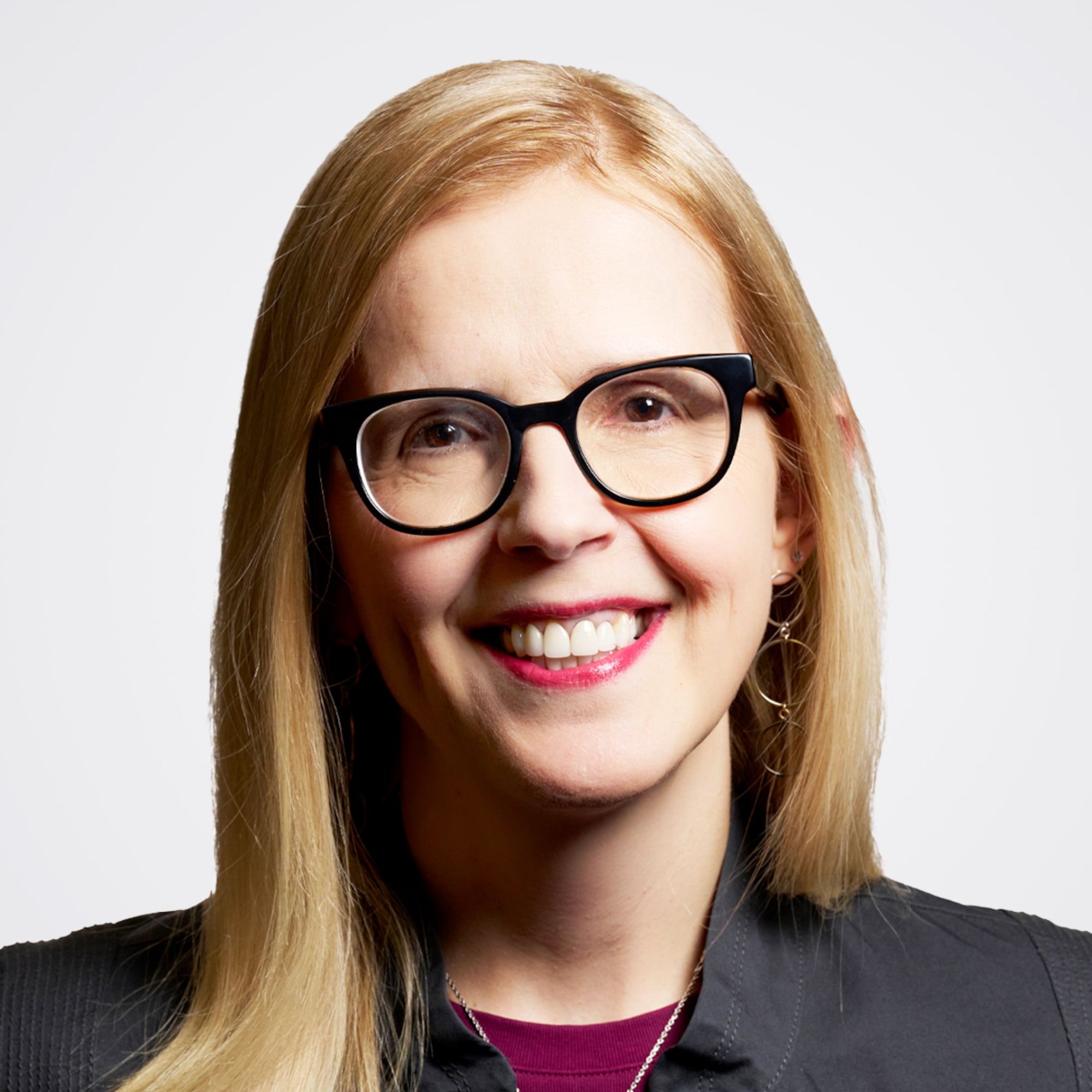
Valentina Djeljosevic: Hello, I’m Valentina Djeljosevic with Morningstar. Welcome to Retirement Planning for Real Life. Caring for a loved one with a disability often means thinking about retirement alongside long-term caregiving and financial support. Today, Christine Benz will talk about some of the key planning decisions that can help you prepare for both. Christine is Morningstar’s director of personal finance and retirement planning. She’s also the co-host of The Long View podcast and author of How to Retire: 20 Lessons for a Happy, Successful and Wealthy Retirement.
Nice to see you, Christine.
Christine Benz: Good to see you, too, Valentina.
How Common Is Childhood Disability?
Djeljosevic: How many families in the US are raising a child with a disability? Is this a small slice of the population?
Benz: It’s not at all. According to a survey from the Centers for Disease Control, about 13% of children in the US have some type of disability, and statistics do vary because different surveys define disability differently, but obviously that is not a small number at all. More and more families are contending with disability, and we’re getting better at diagnosing disabilities as well.
Djeljosevic: Right. And this could be physical, neurological, intellectual, right?
Benz: Exactly. Developmental. Yep.
A Personal Perspective on Preparing for Lifelong Care
Djeljosevic: Yeah. Christine, you have a family member with a disability. Can you share a little bit about that and how your parents addressed your sister’s needs with their financial plans?
Benz: Yes. My sister was born with an intellectual disability. She’s been a big part of my life, of our family’s life, and I won’t share too much more in an effort to protect her privacy, but I will say that my parents were very active in terms of ensuring her financial future. They worked with an estate planning firm that specialized in planning for families with individuals with disabilities. They were looking forward and thinking about her care, and they also built a wonderful network of other parents with children with disabilities. That was just a great social community for my parents, but also a great source of information. I would say that that’s something that parents of children with disabilities should really take to heart: Lean into that community. There’s a wealth of information, social engagement, and everything else in that community.
Balancing Retirement With Your Child’s Financial Future
Djeljosevic: OK. These families are probably multitasking in a big way. In addition to their daily expenses, they are planning for their own retirements, but they also want to make sure that their child with a disability has financial resources in the future. How do they strike the right balance?
Benz: It’s very tricky. Obviously, parents of children with a disability feel that strong emotional pull to have resources for their children if they’re no longer around to care for them. But the key thing is that you can’t let it derail your retirement plan. There are government programs, and of course we’ve seen some meaningful cuts in some of those programs, but there are government programs that are in place to help provide care for people with disabilities. That’s what they’re there for. There certainly should be no shame in having your child look to some of those resources as they ages. You have to attend to your own retirement plan even as you are potentially setting some funds aside for your child’s care.
Another key point I would make, a headline really, is that it’s super important to have earmarked accounts for your child. The assets should not be in the child’s name, but they should be set aside in special accounts. We’ll discuss some of the permutations of those. But it’s very important not to make your child, for example, the beneficiary of your retirement accounts. You’d need a little bit more sophistication in terms of how the assets would flow to your child.
Planning an Inheritance Without Jeopardizing Government Benefits
Djeljosevic: In terms of setting up your child financially, there are Able accounts, and there are special needs trusts. How do those work?
Benz: Able accounts are a relatively new development. These are state-run accounts similar to 529 plans that allow disabled individuals to have funds set aside in their name. The name of the game there is that because the funds are siloed in an Able account, they don’t jeopardize the individual’s eligibility for government-provided resources. That’s really the thought process behind earmarking these funds in dedicated accounts. There are limits on how much you can get into an Able account. $100,000 is the current limit. $20,000 is the annual contribution limit. It’s not an unlimited pool of assets.
Special needs trusts are another avenue to save for children with disabilities. That’s what my parents set up for my sister. Oftentimes what happens is that you can have your assets after your death flow to the special needs trust. Assets from your retirement accounts, taxable assets, and life insurance proceeds can flow to the special needs trust. The virtue of that account type, as with the Able account, is that it doesn’t jeopardize your child’s eligibility for government-provided care.
Djeljosevic: Let’s talk a little bit more about beneficiary designation and what the parents need to watch for.
Benz: Right. It’s a big no-no to leave assets directly to a child with a disability, or it often can be. I will say this is something that my family ran into, where we had a well-meaning family member earmark a portion of her portfolio for my sister without having it go into a special needs trust. It created a little bit of a headache to ensure that inheriting those funds did not disqualify my sister from government-provided benefits. So, get some help with beneficiary designations. Maybe nicely tell family members about some of the implications of leaving assets to your child directly because it can create some headaches if the child inherits assets from you outright. The bottom line answer is that it can jeopardize their eligibility for those benefits.
Why Social Security Claiming Is More Complicated
Djeljosevic: OK. Let’s talk about Social Security too, because filing decisions are important for anyone, but for parents of children with disabilities, it’s particularly important.
Benz: Right. People with disabilities are oftentimes eligible for Social Security. The specific type will vary based on the situation, but this can get to be a complicated area, especially with respect to Social Security Disability income, which is a child’s benefit from their parent based on the parent’s earnings history. If you are the parent of a child with a disability, it’s helpful to approach your Social Security filing decision with an eye toward how we do not just provide for our own income during our retirements, but potentially leave a larger benefit for our child when we’re gone. This is a wonderful place to get some help because it is a super complicated area to seek the advice of a trusted professional, whether a financial planner or an estate planner.
General Financial Advice May Not Be Enough
Djeljosevic: Yeah. Let’s talk a little more about that financial planner situation. In our previous retirement series, we said everyone can benefit, even do-it-yourself investors who are very savvy. But for parents of children with disabilities, they’re looking for expertise, right?
Benz: That’s right. You do not want a generalist in this situation. You really want two types of professionals in your life. You want that estate planning professional to ensure that you’ve set up the special needs trust in accordance with state and federal law to ensure that you are having your beneficiary designations square with how you want things to flow to your child. But I think it also helps to have some sort of a financial planning professional on board. There are a lot of financial planners who do specialize specifically in this area, where they can help you with your own retirement plan, but can also help you lay a plan for your child. One really nice feature of many people who focus on this area is that they have some personal experience with it, either a sibling with a special need or a child with special needs. My experience is that they often bring a lot of empathy to the profession, which is really valuable. If you are the parent of a child with a disability, it’s really helpful to be with someone who has walked in your same shoes before.
Djeljosevic: Yes, agreed. You have a book to recommend on this topic. Tell us about it.
Benz: A couple of books I brought. One is called Retire Secure for Parents of a Child With a Disability. It has multiple authors, including James Lange. Another book I would call out is The Special Needs Planning Guide by Cynthia Haddad. It’s mainly about planning for a child with a disability, but it does have some resources on retirement planning as well. They’re both terrific resources, and I would urge people to seek them out. They can be a little bit dense, but I think it’s a great counterpoint if you’re getting some in-person help to make sure that you have something that you can refer to and follow along with.
Djeljosevic: Yes, definitely. Thank you so much, Christine.
Benz: Thank you so much, Valentina.
Djeljosevic: For more from Christine Benz, be sure to sign up for her free weekly newsletter, Improving Your Finances. Thanks for watching.
The author or authors do not own shares in any securities mentioned in this article. Find out about Morningstar’s editorial policies.

 United States