
Navigating the Future of Retirement Income: Trends, Strategies, and Insights
What is the highest safe starting withdrawal rate? Morningstar’s latest State of Retirement Income report finds that retirees can withdraw as much as 3.7% as an initial spending rate for a 30-year horizon, factoring in current conditions such as high equity valuations and low bond yields.


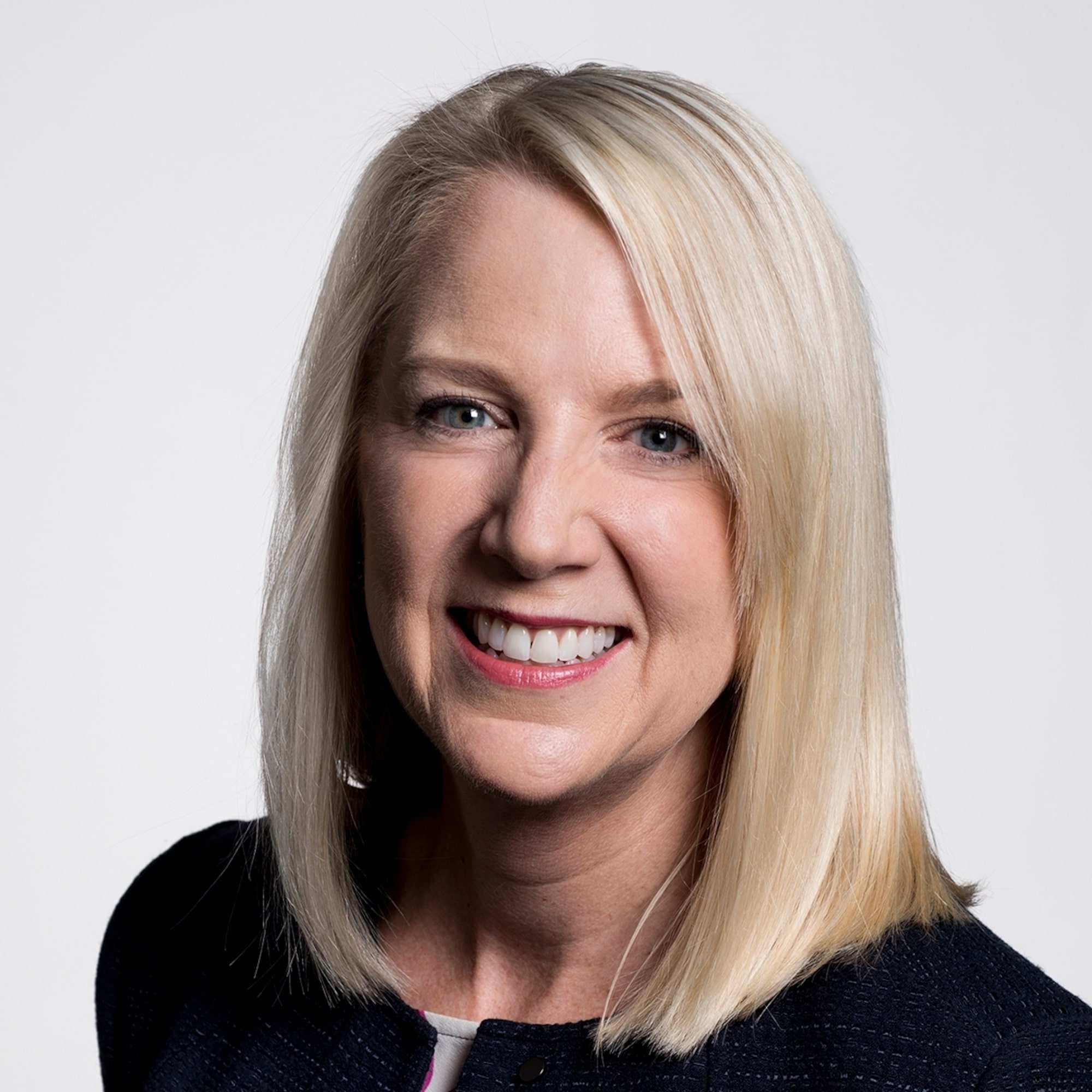
Christine Benz: Hi, and welcome to Navigating the Future of Retirement Income, a special LinkedIn live event from Morningstar. I’m Christine Benz, director of personal finance and retirement planning for Morningstar. My colleagues Amy Arnott and Jason Kephart are also with me today. We all co-authored a white paper from Morningstar in 2024 along with Tao Guo. It’s called The State of Retirement Income. You can find a link to the paper in the attachments tab if you’re viewing this on BrightTALK or in the comments section if you’re watching this on LinkedIn. We’ve been producing this research every year since 2021. Amy’s a Morningstar veteran. She has a tenure of more than 30 years. She’s worn many hats over the years and is currently portfolio strategist and part of our research effort on portfolio construction and personal finance. Jason is director of multi-asset ratings for Morningstar, and he also focuses on retirement income strategies for us.
Amy and Jason, thank you so much for being here.
Amy Arnott: Thanks. Great to be here.
Benz: Good to see both of you. Before we begin today’s conversation, we want to take a minute to make sure you get the most from our presentation. Today’s webinar will be recorded and will be available on demand after the live session. All registrants will be emailed a link to the playback following the presentation. Lastly, you can ask us any questions you’d like using the question button on BrightTALK or if you’re viewing on LinkedIn, you can leave us a question in the comments section. After the presentation, we’ll address as many of those questions as we can get to. Let’s go ahead and get started.
Amy, I want to start with you. Maybe to do some stage setting, you can talk about the why behind this research, why we started down this path in 2021, and why we’ve continued to pursue this research over the past several years.
Arnott: There were a few things we wanted to find out. Most importantly, we wanted to estimate what is a safe withdrawal rate for someone in retirement. And this is really one of the most difficult questions in financial planning and one of the most difficult questions that individuals face during their financial lives. There are a lot of uncertainties about what is the market going to do? What is inflation going to be like? How long am I going to live? Will I have a major health issue? And, really, if you don’t kind of calibrate your spending correctly, you could end up in a situation where if you spend too aggressively, you might start running out of assets later in life, which is actually the biggest fear that a lot of retirees have. But on the other hand, if you underspend, you might end up leaving a lot of money on the table. You might miss out on traveling or hobbies, spending on things that you really enjoy. Secondly, we wanted to evaluate different flexible spending strategies, which can often help boost that starting safe withdrawal rate. And then we also wanted to take a look at guaranteed-income strategies and how those kind of relate to a starting safe withdrawal rate.
Benz: That’s a good overview. How about the audience for this research? Who are we directing it toward?
Arnott: There are really three main audiences. One would be individual investors, or workers who are getting ready to retire over the next few years and want to make sure that they have a strategy for drawing down from their portfolios during retirement. Secondly, financial advisors who are working with clients on retirement income strategies. And then also people saving for retirement, because a lot of this research also has implications for how much you need to save for retirement.
Benz: Jason, William Bengen pioneered this research in 1994. Everyone who has subsequently revisited withdrawal rates has kind of stood on his shoulders. Can you talk about how the approach we take is a bit different than Bengen had in that original research?
Jason Kephart: Sure. I’d say the biggest difference is instead of using historical returns, we’re using forward-looking return estimates from our colleagues at Morningstar Investment Management. We think it’s important to consider current market environments when you’re doing your retirement plan. So, for example, knowing just that the stock market’s trading at near all-time high valuations, that’s something you should consider and work into your forecast for how much you can safely withdraw.
Benz: We use a base case within this research, and that in turn feeds into this headline safe withdrawal rate. Can you discuss the assumptions that underpin that base case, Jason?
Kephart: There are a few key assumptions. One is that we’re looking at total return for the portfolio, not just income. We’re also assuming a fixed withdrawal rate that’s going to be adjusted for inflation year over year. And then the two things that we’re also assuming that pushes a little bit more on the conservative end is one, we’re using a 30-year time horizon. We’re also using a 90% success rate. So that means in the scenarios we ran, at least 90% of the time, there’d be money left over at the end of that 30-year period.
Benz: Amy, the starting safe withdrawal percentage, that headline number dropped a bit in 2024 relative to 2023, to 3.7% from 4.0%. Can you talk about the key reasons that that happened?
Arnott: It’s really a result of the strong equity market in 2024, and because of that market strength, as Jason mentioned, valuations are relatively high right now, which leads to the possibility that maybe future returns could be a bit lower than in the past. Looking at the slide, you can see that our return assumptions for every asset class came down a bit versus 2023. And also on the fixed-income side, because yields came down a bit between 2023 and 2024, we also reduced our return assumptions there as well.
Benz: We have seen fixed-income yields bump up a little bit since the Sept. 30, 2024, data that we used to underpin this research. Do you think that suggests that people who are looking at this problem today could potentially be a little bit more generous because they’re going to be getting more help from the bond market?
Arnott: I think if you’re just looking at the fixed-income side, certainly the fact that we’ve seen yields increase does suggest that future returns could be a bit higher. But on the other hand, the equity market has also done pretty well since Sept. 30. Stocks are up about 5% or 6% since then. So, net-net, higher potential returns for bonds, maybe slightly lower returns on the equity side is probably a wash.
Benz: And maybe higher inflation, too, which would be a headwind for people.
Arnott: Right. That’s definitely a concern right now.
Benz: Jason, let’s discuss that specific spending strategy. You mentioned that it’s a fixed real withdrawal strategy that we use for the base case. Can you discuss how that would work and why that points to a more conservative starting withdrawal rate?
Kephart: So, you’d start with 3.7% of your portfolio this year. And then next year, you would adjust that dollar amount you withdrew from your portfolio to match inflation. So, you’re not giving yourself a pay cut. And the reason it’s more conservative, I think, is because it’s so inflexible. You have to follow it to a T to get the results. And that means you can’t really take advantage of when markets are better and pay yourself a little more. I think we talk about it more in some of the flexible strategies. But I think the inflexibility of our base case is, again, what kind of pushes it more conservative along with that really high bar for success.
Benz: We mentioned that 3.7% was the highest safe starting withdrawal percentage if you’re using that really inflexible system. And the interesting thing for us, again, this year as well as in 2023, is that it actually corresponded with a fairly light equity allocation, just between 20% and 50% in equities. If you want the highest safe withdrawal percentage over a 30-year horizon and you’re not willing to waver at all in terms of how much you’re taking out, can you walk us through that, Jason? What’s going on there?
Kephart: Like Amy said, one, interest rates are a lot more attractive than they’ve been in the past. But even when interest rates weren’t as attractive, we still found the more bond-heavy portfolios to be a little bit safer of a bet. I think that’s because, in general, you expect a lot less volatility from the bond portfolio than you do stocks, 2022 notwithstanding. And that just makes it a lot more predictable. I think when you have a very equity-heavy strategy, you’re going to have a much wider range of outcomes. And the wider your range of outcomes, the harder it is going to be to plan ahead.
Benz: Let’s talk about the trade-offs. If someone does want that rigid withdrawal strategy, and they’re using a fairly conservative asset allocation, what are the potential downsides for them?
Kephart: Opportunity costs is potentially one. You’re not going to have as much market appreciation over time. You could have a more aggressive strategy that if it works out for you, that’d be a great thing. But I do think just having more dependability from those more conservative portfolios is kind of the win there.
Benz: Amy mentioned that the asset-class return assumptions that our colleagues in Morningstar Investment Management supplied, specifically with respect to US equity, they’re fairly conservative today. If we look at historical safe withdrawal rates, getting back to Bill Bengen’s research and we employ them in looking at what would be a safe starting withdrawal percentage today, where do we land relative to that 3.7% in our research with those forward-looking return assumptions?
Kephart: We kind of see the opposite, where the more stock-heavy portfolios actually have the highest safe withdrawal rates. Stocks have been on such a great run. Our friend John Rekenthaler, who retired recently, in his farewell column for now for Morningstar.com, called the stock market returns an extraordinary gift. They really have been for the long haul. But I think given where stock valuations are now, betting on that to be your base case, that’s kind of a risky proposition. So, hedging that a little bit with being a little more conservative about your stock return assumptions is probably a good thing.
Benz: Amy, when we initially did this research in late 2021, we had suggested that a 3.3% starting withdrawal percentage was supportable over the next 30 years. How have people who retired in that general time frame, late 2021-22, done with their portfolios and their withdrawals, especially given that we’ve had really high inflation since then, and then we also had that really odd market of 2022 where stocks and bonds both fell at the same time. Can you talk about what the experience would have been with our safe withdrawal rate research?
Arnott: If someone retired at the end of 2021 or early 2022, as you mentioned, it was a really tough time for those new retirees. We had the spike in inflation as high as 9% in 2022. And people are still feeling the impact of that increase in inflation. If you look back over the past four years or so, the cumulative increase in inflation has been about 20% or so. People are really seeing sticker shock. If you go to the store, not just eggs, but all kinds of groceries and then gas, housing, other living expenses. So, inflation is still a headwind. But on the positive side, after the big downturn in both stocks and bonds in 2022, we have seen a pretty nice rebound. If you look at how someone would have actually done following our advice, especially if they were very conservative with their starting withdrawal rate, I think they’d be in pretty decent shape right now, although inflation is still a concern.
Benz: We want to home in on some of the dynamic or flexible withdrawal strategies as a means of potentially lifting people beyond that 3.7% starting withdrawal rate. Amy, you took the lead on that portion of our research where you explored various dynamic or flexible withdrawal strategies. Can you summarize some of the key ones that we took a look at in the paper?
Arnott: We looked at four different flexible spending strategies. The first one is what we call forego inflation, which is a very simple approach of any time the portfolio value is down at the end of the year, you skip that inflation adjustment that Jason talked about for the following year’s spending. Even though that’s a relatively small and simple change, it can significantly improve your starting safe withdrawal rate. We also looked at what we call the required minimum distribution method, or RMD, which a lot of people are familiar with the RMDs that you’re required to take if you’re 72 or 73 from a tax-deferred account. And it’s basically the portfolio value divided by life expectancy. The third method we looked at is the actual spending method where it’s based on some interesting research that’s been done by the University of Michigan and the Department of Aging, where they actually interview retirees and ask them about their spending patterns in different categories and then send them surveys over time so they can track spending patterns for the same group of people over time. And what they found is that spending does decline for most retirees during that 30-year retirement period by about 2% per year after inflation. We tested what would a safe withdrawal rate look like if you followed that 2% declining pattern.
And then finally we looked at a method called guardrails, which was originally developed by Jonathan Guyton and William Klinger. And the idea is that you kind of calibrate your withdrawal rate if there’s a particularly good year in the market, which would cause your withdrawal rate to increase in percentage terms or a particularly bad year. So by keeping the withdrawal rate in a range but making some adjustments, that method led to the biggest improvement in withdrawal rates.
Benz: We want to talk about some of those improvements, but before we do, we want to have people take a poll. When it comes to Monte Carlo-based simulations like the ones that we’ve used in this research, there are a range of approaches out there. Hoping you can take a moment to share your perspective on what probability of success that you use in doing your simulations. We used a 90% probability of success in our base case, but we would like to hear from you in terms of what sorts of probabilities you’re using in terms of your own forecasts.
Amy, I want to get back to you on these flexible strategies. It does appear that the big benefit of them is that you can elevate your starting withdrawal percentage and also elevate your lifetime withdrawal percentage. Can you walk us through that?
Arnott: If we look at the four methods that I just talked about a minute ago, the forego inflation method, even though it’s a relatively small adjustment, you do get a decent bump up in the starting safe withdrawal rate to about 4.2%. The RMD method, which is portfolio value divided by life expectancy, allows you to increase that starting withdrawal rate to 4.7%. The actual spending method, where spending is declining a little bit each year, would bump that up to 4.8%. And then the guardrails method, which is a little bit more complicated, but more responsive to market conditions, you have the biggest improvement to starting safe withdrawal rates to about 5.1%.
Benz: Those are meaningful, obviously, for people who want to try to extract the most cash flows from their portfolios. But let’s discuss the cash flow volatility that is inherent in the flexible strategies. If you say, I’m open to adjusting my paychecks up and down, you have to be prepared to adjust your actual household spending. Can you talk about that dimension of it, Amy?
Arnott: If you look at the different flexible spending methods versus the base case, there is kind of a basic trade-off where if you want to increase that starting safe withdrawal rate, generally, you are going to see more volatility in your cash flows. With some of the methods, it’s not a significant amount of volatility, like the forego inflation. But with other methods like guardrails and RMD, you might see much more variation in year-to-year spending. Although, one point I would make is that most people do have other sources of income they can draw on during retirement like Social Security. That can kind of offset that cash flow volatility a bit.
Benz: Another trade-off we should explore is the fact that if you are enlarging your lifetime income, it does have the tendency to shrink the amount left over after a 30-year period that might be available for bequests or donations to charity or whatever the case might be. Can you walk us through that, Amy?
Arnott: One criticism of the traditional 4% rule approach is that you do in many cases end up leaving a lot of money on the table after your death, which may or may not be your goal, to have money left over, to leave behind for your children or your grandchildren or charity. So, in the base case, where you are keeping spending stable throughout retirement and just making inflation adjustments. You end up with about $1.3 million in assets on average after the end of the 30-year period. And all of the four flexible spending methods that we tested reduce that leftover amount, although two of them, the forego inflation and actual spending methods, you still ended up with more than $1.0 million left over. The guardrails method, you ended up with about $600,000 in the median case that we tested. And then the RMD method is the most aggressive in terms of spending down assets during your lifetime.
Benz: So, we start with a $1 million portfolio and then apply whatever spending strategy is in play, and that in turn leads to those leftover dollar values, right?
Arnott: Right. We’re estimating spending each year but also how much you end up with at the end of that 30-year period.
Benz: Jason, I want to switch over to your section of the paper, which looked at how some of these guaranteed nonportfolio income sources interact with safe withdrawal rates. But before we do that, I want to remind everyone to submit questions for us. If you’re on BrightTALK, you can use the question button. If you’re on LinkedIn, submit your questions in the comments section. Jason, you spearheaded a new section in this year’s research about how those nonportfolio income sources like Social Security, like perhaps an annuity, how they interact with portfolio withdrawal rates. Can you talk about the goal of this section of the paper?
Kephart: Our goal was really to take more of a holistic approach. I think a lot of retirement research planning is focused on the portfolio only. But we know there are these nonportfolio sources of income people are going to have available to them, most likely Social Security. But then there are other tools like annuities. And we wanted to see how does that impact a retiree’s experience.
Benz: One headline that I think jumped out at all of us when you were working on this research is that everyone hears you should delay Social Security if you possibly can with an eye toward enlarging your lifetime benefit. And that’s especially important if you think you’ll have an average or longer than average life expectancy. But one thing you delved into is that really, the value of that decision really does depend on what you’re doing for income while you wait for your Social Security benefits to come online. Can you talk about that?
Kephart: I think to the surprise of no one, the best case we found was work till 70, then you retire, start taking your portfolio withdrawals and collect Social Security at 70. But what happens when you can’t retire at 70? What if you have to retire earlier? And so one of the scenarios we looked at was what if you retired at 67? So, you would have gotten your full Social Security benefit, but you want to delay it. So how do you get from 67 to 70? And if you have to rely on portfolio withdrawals, then that actually leaves you a lot less money in the portfolio to accumulate over time. On average, what we found was you still were a little worse off if you had to use your portfolio as your so-called bridge strategy. What we found was essentially, there could be other sources of income, too. You could have rental property. You could have a spouse who’s still working. But I think it’s really important to consider before you make the decision to delay, how are you going to get from retirement to age 70? And you might even be lucky or unlucky still and retire as early as like 62. And then that bridging strategy becomes, I think, a real challenge.
Benz: And you showed that in the research, that was the big loser, the person who claims it at 62. That advice seems spot on for almost everyone if they can’t delay. So, sticking with lifetime income sources that aren’t coming from the portfolio, you also delved into how building a laddered portfolio of Treasury Inflation-Protected Securities could interact with Social Security. Can you talk about how that strategy stacks up today?
Kephart: It actually looks pretty good today. If you were to do the TIPS ladder portfolio, which the way to do it is you would liquidate your portfolio and buy a series of TIPS that expire one, two, three years out all the way up to 30 years. And then when those TIPS mature, you’re using that principle as kind of your income for the year. You do get a slightly higher rate when combined with Social Security than you would with our base-case scenario alone. But, obviously, there are some trade-offs to this one.
Benz: Well, let’s talk about those. What are they?
Kephart: Essentially, because you are liquidating your whole portfolio, it’s an all-in strategy. And, you are basically betting it all on this one 30-year period. So you’re not expecting to have any money left over at the end to leave behind, you know, leave behind to heirs or charities or whatever you want to do with it.
Benz: We also want to talk about annuities because your section of the paper, Jason, did delve into annuities. Annuities are obviously a controversial area. What types of annuities did you include in the research?
Kephart: We looked at kind of the most plain-vanilla ones, immediate and deferred immediate annuities being those that start making payments immediately. And the deferred ones that will start making the payments at a later date, typically 10 to 15 years out.
Benz: So, as with delaying Social Security, you find that purchasing an annuity does help elevate lifetime spending, but it’s not a free lunch. Maybe you can walk through what are the major trade-offs that someone should consider if they’re going down this path.
Kephart: It’s similar to the scenario of retiring early, but not taking Social Security until a later date. Because you do have to take a withdrawal from your portfolio to purchase the annuity. And even though the annuity is going to give you some certainty, there might be some behavioral aspects to that that are attractive to people. Something you really don’t have to worry about, aside from, some rare circumstances. But essentially any money you pull out of your portfolio, you’re locking into kind of a fixed-rate payout, whether it’s tomorrow or 15 years from now. And again, that’s like less money in your portfolio to kind of grow and accumulate over time. And we’re looking at a 30-year time period. You know, that compound interest over that time period is very powerful.
Benz: And then comparing an annuity to Social Security, there are some important drawbacks with the annuity relative to Social Security, which has been called the most perfect annuity that you can buy. Can you talk about that and what people should be thinking through?
Kephart: I’d say the two biggest differences are Social Security is going to be linked to inflation, whereas your annuity payouts won’t be. You can purchase something called a cost-of-living adjustment, which is what we kind of looked at in our research, but that reduces your benefits, and it still might not keep up with inflation if we see inflation north of 2% or 3% that we’re kind of banking on. But it’s also not backed by the full faith and security of the US government.
Benz: Amy, we’re going to turn the tables here. You have a few questions for me about some of the sections that I worked on in the paper.
Arnott: You wrote a new section for the paper this year focusing on how to use this research. Can you touch on why you thought this was an important topic for us to address?
Benz: Well, one of the reasons, Amy, was that we kept getting these questions from people who would say, “Wait, you told me I was supposed to take out 3.3% in 2022. Now you’re saying it’s 4.0%.“ People were feeling like we were buffeting them all over the place in terms of the starting safe withdrawal percentages. So, we wanted to talk about what we’re trying to achieve here, which is not to create a percentage that people should use to dictate how much they’ve taken out, how much they should take out if they’ve already embarked on retirement. It’s mainly, I think, valuable as a temperature check if you’re about to embark on retirement and you see that, ”Oh, Morningstar is being a little bit more conservative than last year.” It seems to me that you should be prepared to tap on the brakes if you’re just embarking on retirement, that you’d want to be a little bit cautious or have a little bit of flexibility built into your spending in order to potentially get you through perhaps a couple of difficult market years if they happen to occur early in your retirement.
So, we wanted to address that. And then I think as I look on the totality of the research, I think its highest best use is probably with advisors and individual investors trying to get a conversation about what are you looking for in terms of your retirement cash flows. Are you looking to kind of live it up during your own retirement or is the bequest really important for you? Are you willing to be a little bit flexible in terms of your spending, or are you planning to just kind of take a paycheck equivalent? We wanted to help people explore robust conversations about what they should be thinking about when they embark on a retirement spending strategy. And then importantly, I think with Jason’s addition to the research, the more holistic look at retirement income solutions, we do believe that this should be a holistic sort of endeavor. And so we wanted to encourage retirees, preretirees and their advisors to be thinking holistically because the things really do work hand in hand, I think.
Arnott: Going back to the idea of sparking conversations, and I think this is one of the areas where advisors can add the most value is helping their clients really think through what should my strategy be and what are the trade-offs. And we introduced a new metric this year called the spending/ending ratio, which I think was your idea. And I think it’s really a useful way to look at those trade-offs because we quantify in both the base case and the four flexible strategies that we tested, how much can you withdraw during your lifetime versus the amount that is left over. And I think that can help people think through what their priorities are and what some of the trade-offs might be.
Benz: Me too. And our colleague Tao Guo certainly helped us with every dimension of this paper. But I love that spending/ending ratio because I think it is a valuable way for advisors to frame that decision for their clients. Like what are we trying to achieve here? And then the holistic look at spending/ending, I think even more abundantly illustrates some of the trade-offs that are in play.
Arnott: You also wrote an interesting article recently looking at kind of the interplay between required minimum distributions and safe withdrawal rates. Could you talk a little bit more about what you found there?
Benz: Right. I will say this is one of the main questions I’ve gotten about safe withdrawal rates, it’s like, “Wait a minute. The RMDs that I’m required to take on my traditional tax-deferred accounts lift me above the levels that you folks at Morningstar are talking about.” And so I wrote a piece exploring how the uniform lifetime table that most people use for RMDs interacts with our safe withdrawal rate research. And what you can see is that the RMD calculation with the uniform lifetime table is fairly conservative. So, the withdrawals don’t begin until you’re age 73. And then importantly, it does look at life expectancy, but it also kind of gives you a little bit of an extra cushion in that it assumes that you are pulling from a portfolio that someone else might need to live on. And so it spots you an additional 10 years in addition to your own life expectancy, if you’re using that uniform lifetime table. So, my advice is that people shouldn’t be overly concerned about their RMDs causing them to prematurely deplete their assets.
But I also might glibly respond that it’s not required minimum spending. It’s required minimum distribution. So, you need to get the money out of there and you need to pay taxes on it, but you can and should reinvest it back into your portfolio if for whatever reason you think your RMDs are higher than you’d want them to be. So, I would say there you could put the money into a taxable account and just invest it tax efficiently from there. Or, if you or your spouse has earned income, you could even get it back into an IRA. But in that case, I would recommend a Roth IRA so that you’re not facing the revolving door of RMDs with those new contributions.
Arnott: Right. And we know from talking to people in retirement that a lot of people really don’t like taking RMDs and especially paying taxes on them. But at least, based on your research, they don’t have to worry about those RMDs depleting the portfolio too aggressively.
Benz: That’s right. We have another poll question available for people, and we’re hoping that you can answer it. The question is, which topics would you like to see covered in future editions of the Morningstar State of Retirement Income report? The choices are the role of taxes in retirement income, which we really didn’t delve into in this year’s research, the potential impact of inflation and potentially thinking about future adjustments in inflation versus using the static inflation rate that we use in the research. Income-oriented approaches to retirement withdrawals, additional options for dynamic spending strategies. I know that one we intend to look at is the idea of adjusting withdrawal rates up and down with success rates. And finally, additional options for guaranteed income during retirement.
We’ll just pause it right there and we will let you answer the poll, and that will be extremely helpful to us in future research. Before we get into the questions from the audience, Amy and Jason, I’d like to hear from you, maybe Amy, starting with you. Did this year’s research get you thinking about your own or about areas that you’d like to delve into in future iterations of this research?
Arnott: I think the nice thing about doing an annual paper like this is that you can kind of build on it each year and expand on it and bring in new people like Jason to add great content. So, there are definitely a few areas that I’ve been thinking about for next year. One would be expanding our analysis of inflation. Right now we kind of assume a static inflation rate, but obviously, inflation does move around from year to year. So I think it would be really interesting to do more testing around a variable inflation rate and what that might look like over a 30-year period. Another area that I think we could expand on would be incorporating the impact of taxes and how to kind of plan for that impact. Traditionally, in withdrawal rate research, people make kind of the simplifying assumption that taxes are part of your annual spending. So, the tax impact isn’t really accounted for in this research traditionally. I think that would be an interesting area to look at. And then maybe testing out some additional dynamic spending methods like looking at a fixed percentage that you would use to recalculate a dollar amount withdrawal each year.
Benz: Jason, how about you, things that you want to work on when we pursue this research later this year?
Kephart: I think looking more at bridge strategies and how can you get from retirement to delaying Social Security if that’s your plan and seeing what is the most effective ways there. That’s something I think is really interesting. And I think on the annuity front, they are kind of a controversial subject, but I think it’s kind of fun to keep digging into them. One of the assumptions we made this year was after you made the withdrawal from the portfolio to invest in the annuity, you kind of reinvest it back in the 40% equity, 60% bond portfolio we use as the base case. But I think in reality, probably because you have that guarantee, you can probably take on a little bit more risk there. So, I think looking at different portfolio construction techniques post buying the annuity and how that can impact investors would be interesting. And then finally, I think annuities, they really are a insurance contract.
So what happens in kind of the worst-case scenarios? Like, do you get a better benefit if you’re unlucky than kind of our base case suggests? And we have the 90% success ratio. So, I do wonder if that’s why we saw kind of muted results from including annuities that we did have such a high success ratio. So, to our point of looking at state withdrawal strategies across different success ratios, including the annuities and kind of those lower-success-rate ones. And does that make a difference or not?
Benz: I’d like to ask each of you how working on this research has impacted your take on your own retirement plan. Amy, let’s start with you.
Arnott: It definitely has gotten me thinking, especially as I get a little bit older each year that we work on this paper. One takeaway for me is I really am a fan of the guardrails strategy. We’ve talked among ourselves. I think all of us kind of like that strategy and just the idea of being able to calibrate your withdrawal rate based on how your portfolio is doing and adding some flexibility in that way. I also really like the idea of setting aside a separate bucket for long-term care because that is one of the biggest things that can derail a retirement plan because we know long-term care is so expensive; it could be $100,000 or more. But I think if you have the wherewithal to set aside a pool of money, maybe $500,000 or even more than that and carve that out so that it’s not part of your core retirement spending portfolio, I think that can alleviate a lot of the worry and uncertainty associated with long-term care.
And then finally, I do like the idea of a TIPS ladder, especially if you’re using that to cover your baseline spending, and then maybe you have a more equity-heavy portfolio that can cover some more discretionary expenses. I think the TIPS ladder looks particularly attractive right now because you are getting a positive real return above inflation. So, hopefully, if and when I retire, we’ll still have that positive return, real return available from TIPS.
Benz: That’s helpful. Jason, how about you? I think you’re maybe a little further from retirement than Amy and I am, but maybe you can talk about how you’ve been thinking about your own plan.
Kephart: Well, it actually really got me thinking about my mom’s plan. Over Christmas, we were talking about her Social Security strategy and stuff like that. But I do think the guardrails approach is very interesting, particularly when you combine it with Social Security. But I think I need to get to retirement first, get a little closer before I really start.
Benz: But in the meantime, good job helping mom. We are going to turn to audience Q&A now. As a reminder to the audience, please leave us a question in the comments section, and that’s on LinkedIn, or via the question button on BrightTALK. Let’s get into some of the questions that have been coming in. It looks like we’ve had a healthy flow of questions, which is wonderful. How will the new administration policy changes impact retirement research that’s utilized for advisor-client portfolio management? Are there any adjustments that need to be made aware of? I am not certain about what policy changes might be in this question. I don’t know if either of you want to have a go at this, but maybe we should move to the next.
Arnott: Things are moving really quickly in the new administration. Every day there’s something new happening. I don’t think we know at this point what’s going to happen, that’s related to retirement, but obviously, that’s something to keep an eye on.
Kephart: I’d say policy uncertainty is probably higher today than it was maybe a year ago.
Benz: Fair assertion. So, how about something more directly in our wheelhouse? What factors do you believe most influence the determination of a safe withdrawal rate today? And how might those change over the next decade? Do either of you care to jump on that one?
Kephart: Well, your starting portfolio evaluations are going to be really important, right? With the stock market trading near all-time highs, you’re probably going to have a more conservative outlook there. The level of interest rates is also going to have a really big impact. So, like Amy alluded to earlier, they kind of offset each other a little bit right now. But I think that’s going to have a big part is also your inflation expectations.
Arnott: I agree. I think inflation is a big question mark. And, you know, for a while we thought inflation was moderating, but with this most recent report, it’s a little bit concerning. I think that is something to keep monitoring. And I would also point to another big factor influencing what the safe withdrawal percentage could be, would be your probability of success. And, as Jason mentioned, we set the threshold at 90%, which is very high, which allows us to more directly compare this research with other work that has been done, like the Bengen study and the Trinity study. But in reality, I think a lot of people could use a much lower percentage, even as low as 50%. And this is something I know you’ve talked to people like Derek Tharp about. And especially if you’re working with an advisor and revisiting the retirement plan, at least every couple of years, I think you could be more comfortable with a lower probability of success.
Benz: That’s helpful. Amy, this is a question that I think is for you. In your comparison of various withdrawal strategies, what were the results using different asset allocations of stocks and bonds? So, we had mentioned with that base case, we pinned the highest safe withdrawal percentage for a 30-year horizon on that 20% to 50% equity allocation. But it does change when you look at some of the flexible strategies. I know guardrails, for example, the highest safe withdrawal rate generally corresponds to a higher equity weighting, I believe. Can you talk about that dimension of it?
Arnott: I think you answered the question. With the guardrails method, you do definitely end up with a better outcome with higher equity weighting. The other methods, I think, generally looked better with more of a balanced type of allocation.
Benz: Amy, I’d like you to tackle this one. How do you respond to the belief/reality that retirees don’t spend in a straight line versus in retirement? You looked at the actual spending, and maybe you can amplify that a little bit, that when you look at actual spending, we see a little bit different picture.
Arnott: The research that has been done, as I mentioned, it shows an interesting pattern where actual spending does tend to decline during retirement as people get older. And another interesting dimension to that research is that for the wealthiest quintile of people, the rate of decline is actually bigger. So, as opposed to about 2.0% average annual decline is more like 2.7%. Those are averages. So, it’s definitely true that any individual person or household may or may not be having spending that is declining at an even rate throughout their retirement period. So again, I think that points to the value of working with an advisor. If you’re early in retirement and you have good health, I think you, in many cases, can spend a lot more aggressively in the early stages of retirement. And I think it does depend on the individual. Do you have specific things you want to plan for, like a family reunion, or a child’s wedding, which might bump up your spending in a given year? So, I think it’s definitely a great point to keep in mind that even though on average, we see sort of a steady decline during retirement that may or may not apply to you as an individual or household.
Benz: Many people may be familiar with our former colleague, David Blanchett’s research on what’s often called the retirement spending smile, where you actually see a little bit of elevation in spending later in life. Can you talk about how that squares with the research that you’ve just been talking about?
Arnott: What I think David was looking at is not really an elevation in spending later in life, but a slower rate of decline. And I think another thing he was wanting to delve into was the trend of higher healthcare costs and the higher rate of inflation in medical expenses and kind of planning for the possibility that that could increase your spending later in life.
Benz: Which gets back to your previous point about the long-term-care bucket potentially being handy in this context. Here’s a question for you, Jason, because it relates to inflation. If inflation remains elevated over time, would you recommend annuities with cost-of-living adjustments to safeguard purchasing power? Can you discuss the types of annuities that you can buy to help hedge against that risk and whether they would be more attractive in that context?
Kephart: We looked at immediate and deferred, so kind of the most basic ones. And the things I would keep an eye out for are, when you do add that cost-of-living adjustment, you do get a big hit to the benefit. We use the 3% cost-of-living adjustment in our research. And I don’t have the numbers in front of me, but it was a pretty dramatic drop in the benefits you would get in terms of the payout. Even with a 3% cost-of-living adjustment, if inflation remains elevated above that, it still might not be helpful. So I think, in general, we wouldn’t recommend annuities to everyone. There might be a case where it really does help you sleep better at night to have some of that guarantee, and get that insurance. But I think we would kind of be more cautious about that. Talk to a financial planner, evaluate the rest of your portfolio and your spending needs.
Benz: Talk to an objective financial planner, right? Another annuities question. Can annuities be a bond alternative with the mortality credits? Would you see them as a bond alternative or a different animal altogether?
Kephart: If you want to be more tactical and specific on where you’re funding it from, it probably should come from the fixed income component of your portfolio. There’s a big rise in target dates with annuities now. They’re almost all funded out of the fixed-income portfolio. So, I think if anything, it is a bond alternative because you do get those fixed-income distributions.
Benz: Amy, here’s the question that I’m hoping you can tackle, which is what are your feelings on asset allocation and retirement when you have a larger retirement portfolio? All else being the same, would you suggest a different allocation for $1 million versus $3 million versus $5 million?
Arnott: I think this is a very interesting question. And there are two different schools of thought on this issue. One is, I think Bill Bernstein has said, if you’ve won the game, stop playing, which would suggest that if you are fortunate enough to have accumulated significant assets and actually more than you might need during your lifetime, you don’t need to be taking on equity risk. On the other hand, if you are more risk-tolerant and if you want to keep your portfolio growing so that you are able to pass down a bigger amount to your children, grandchildren, or charity, you may want to be a bit more equity-heavy. So, I think it depends on what your priorities are and what your risk tolerance is.
Benz: We want to again prompt the audience to send us questions, if you would. You can leave a question in the comments section if you are watching this on LinkedIn or via the question button if you’re on BrightTALK. Here’s a question about tax matters, which I think, Amy, you mentioned is something we want to look at in the future, but the question is how a retiree should apply a safe withdrawal rate across the combination of taxable and pretax accounts across a total portfolio of retirement assets. I would say we haven’t looked at this yet, right?
Arnott: We haven’t looked at it in detail, but I think the assumption behind a safe withdrawal rate is that it would apply to kind of the entire pool of money that you have to work with. And then you do need to account for the tax impact as part of your annual spending.
Benz: Here’s another question. As you address safe withdrawal rates, what expenses were used to address the expenditures of clients? For example, long-term-care insurance or out-of-pocket spending along with normal living expenses, food, shelter, clothing, et cetera. We didn’t really delve into specific categories in this research.
Arnott: Right, but obviously, I think a best practice would be if you are getting ready to retire or you’re sitting down with an advisor talking about retirement, you would really want to be looking at your monthly spending across all categories, so you can get a pretty comprehensive picture of what your spending needs might be in retirement.
Benz: That’s helpful advice. Any research on comparing different approaches to investing in retirement? Total-return bucketing, use of annuities with various guaranteed riders, et cetera. Jason, anything that you would recommend?
Kephart: I know you’ve done a lot of really interesting research on bucketing strategies, so I’d probably defer to you on this one.
Benz: Well, and I in turn would defer to Wade Pfau, who has done some great research comparing different retirement cash flow strategies, and I would also suggest everyone read Wade’s great retirement planning guidebook, which includes a lot of detail on the pros and cons of these various strategies, and also delves into the fact that this is such a personal decision that each of us should arrive at. It really does depend on kind of how we are thinking about these matters, so I would often urge people to take Wade’s questionnaire where you can kind of home in on your own retirement-income style, because I think we’re all wired a little bit differently with respect to these matters.
Arnott: I would jump in to say the research that we have done to date has assumed a total-return approach, so if you can just withdraw the income, you do that, but if your expenses are greater than the income, you dip into the principle of the portfolio. I think, you know, looking at an income-only strategy is something that we might want to look into in future editions of the report.
Kephart: And one thing that I think we’ve seen in general with income-focused strategies is it almost encourages a little bit more risk-taking because to get high enough income from the portfolio alone, you tend to use more like high-yield bonds, esoteric asset classes, JEPI [JPMorgan Equity Premium Income ETF] is a very popular ETF right now because of the income, which again, I think you tend to focus on income and total return, you tend to end up in a slightly riskier portfolio, so I think that’s something to keep in mind. I think that’s why we’ve always, at least on the manager research side, preached the total return approach.
Arnott: Right, and it’s ironic because people are often reluctant to dip into principal because they think they’re being conservative, but, as you said, they might actually end up taking more risk because they’re sort of reaching for yield to support an income-only approach.
Benz: And less diversified as a result. Here’s a question that I will take, which is, what are thoughts on converting IRAs to Roth? It is beyond the scope of this research, but a couple of points I would make in this context. One is that it’s a good place to get some tax advice versus doing back of the envelope that you should sit down with someone who is well versed in this stuff when making decisions about whether to convert. But I would also say the post-retirement pre-required minimum distributions are fabulous years to consider conversions, potentially a series of conversions, say from age 65 to 73, because those are the lowest tax years for many retiree households, especially baby boomers retiring today have the lion’s share of their assets oftentimes in those traditional tax-deferred accounts. So, considering conversions in those low-tax years can be well worth pursuing. And then in terms of people who are already well into retirement and taking required minimum distributions, the thing to think about in that case is really what is your intended use for those traditional tax-deferred assets.
If someone thinks that they will need all of those assets during their lifetimes and they want to spend them to try to try to maximize cash flows, the conversions may not make sense once RMDs have commenced. But if someone is mainly saving those assets for the next generation, then potentially converting them and leaving them in a more favorable position for heirs might be the right strategy to pursue.
Here’s a question: What key metrics should retirees and advisors use to evaluate whether they can achieve their goals for both lifetime spending and legacy? Amy, can you tackle that?
Arnott: I think the spending/ending ratio that I talked about earlier is a really helpful tool here. Another approach you could use is if you have a specific goal for a legacy like a dollar amount that you’d like to leave behind, you could certainly carve that out from the rest of your retirement portfolio. Although, personally, I think it can often be a better approach to give as you’re able to during your lifetime. That’s something that appeals to me is if you do see growth in the portfolio and you have a little extra to work with, maybe it can make a big impact if you’re able to help your kids out with a down payment on a house or a wedding or helping fund a 529 plan for grandchildren and things like that.
Benz: The data show that most people inherit funds, I think when they’re in their mid-50s or even early 60s, which usually the die is cast in terms of someone’s financial fortunes at that life stage.
Arnott: Right, and even if it’s a smaller dollar amount, I think it can have much more impact if you’re able to give it to someone when they’re in their 20s, 30s or 40s.
Benz: Amy, here’s a question I’m hoping you can tackle. Does crypto have a place in the portfolio? I know we didn’t use it in any of our simulations but maybe you can share your take on that question for retirees.
Arnott: This has been an area of hot debate, should crypto be included in retirement plans or not. And I would lean toward no, especially when you’re looking at a retirement portfolio, these are assets that you need to last throughout your retirement. And the level of risk in cryptocurrency is just on a totally different scale. And I think would make it much more likely that things could go wrong. People would probably point to the fact that crypto has been the best-performing asset class over the past 10 years, and there’s this tremendous upside. So, if you are really dead set on trying to take advantage of potential future growth, I would keep crypto to a very small percentage of your portfolio.
Kephart: Maybe put it in your fun bucket that’s outside of your retirement planning.
Benz: Let’s see, this is for you, Jason. Could you go into more detail about how much you can withdraw safely if you’re retiring before 70 and then claiming Social Security when once you reach 70? This is the thing that you talked about, this kind of bridge strategy. Can you walk us through that?
Kephart: Our safe withdrawal rate didn’t really change in that scenario at all. So 3.7% still worked, still hit that 90% success ratio. That didn’t really change. What really changed in that one was how much you have left over at the end. So, it didn’t really impact the safe withdrawal rate as much.
Benz: Well, thank you both for being here. Before we close today, I want to provide a URL that you can use to access the research that we’ve been talking about today. I would also like to mention our 2025 investment conference coming up this June, and I’ll add that June is one of our most delightful months here in Chicago, February I think we can all attest, not so much. You can find a link to register for the conference and a link to the full report in the attachments tab on BrightTALK or in the comments section of LinkedIn. Thank you so much for taking time out of your schedule to join us today, and we’ll see you soon on Morningstar.com where Jason, Amy, and I and the rest of our Morningstar team are regularly posting content. Have a great day. Thank you for being here.
The author or authors do not own shares in any securities mentioned in this article. Find out about Morningstar’s editorial policies.

 United States